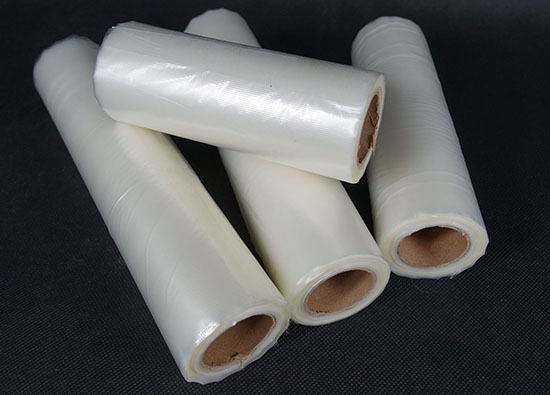

Proper storage and handling are essential for maintaining the performance of water-soluble packaging materials. Because these films are designed to interact with water under controlled conditions, exposure to moisture, heat, or unsuitable storage environments can affect their physical properties and dissolution behavior.
For manufacturers, distributors, and packaging operators, following practical storage procedures helps preserve film quality from production through final use. PVA Water Soluble Film can perform consistently when appropriate environmental conditions, packaging practices, and handling procedures are maintained. POLYVA also emphasizes the importance of matching storage practices with the film’s intended application.
Why Proper Storage Matters
Water-soluble film is sensitive to environmental conditions because its ability to dissolve is an intentional part of its design. Uncontrolled humidity can cause the material to absorb moisture, potentially changing its flexibility, strength, dimensions, and surface characteristics.
Good storage practices help prevent premature exposure to moisture and reduce the risk of damage before the film reaches the packaging process.
Recommended Storage Environment
The storage area should provide a stable and controlled environment. Avoid locations where temperature and humidity fluctuate significantly throughout the day.
Important conditions include:
- Moderate and stable temperature
- Controlled relative humidity
- Protection from direct sunlight
- Clean and dust-free surroundings
- Adequate ventilation
- Protection from water and condensation
The exact storage requirements can vary depending on the film formulation, thickness, packaging format, and intended application.
Keep the Film Protected From Moisture
Moisture is one of the most important factors to control when storing water-soluble film. Even limited exposure to humid air can gradually affect the material.
Film rolls and sheets should remain inside their original protective packaging until they are required for production. Opened materials should be resealed as soon as possible to minimize unnecessary exposure.
Storage areas should also be kept away from:
- Open water sources
- Wet floors
- Steam-producing equipment
- Condensation-prone walls or ceilings
- Outdoor or semi-enclosed environments
Control Temperature During Storage
Extreme temperatures can influence film stability and handling characteristics. High temperatures may affect dimensional stability or packaging materials, while very cold conditions can change the flexibility of some film grades.
A consistent indoor environment is generally preferable to repeated cycles of heating and cooling. Materials should also be kept away from heaters, radiators, hot machinery, and other direct heat sources.
Protect Film From Direct Sunlight
Direct sunlight can expose packaging materials to prolonged heat and ultraviolet radiation. Depending on the film formulation, this exposure may contribute to changes in appearance or physical performance over time.
For this reason, storage should take place in a shaded indoor area. Windows that receive strong sunlight may require additional protection if film materials are stored nearby.
Handling Film Rolls Safely
Film rolls should be handled carefully to prevent mechanical damage. Dropping, dragging, crushing, or striking rolls can deform their edges or create surface defects.
When moving rolls, operators should use suitable lifting and transportation equipment. The film should remain properly supported, particularly when handling larger or heavier rolls.
Avoid placing sharp tools or heavy objects directly on film packaging.
Minimize Unnecessary Packaging Exposure
Protective packaging serves an important role during storage. Removing film from its packaging long before production can expose it to environmental moisture and contaminants unnecessarily.
A practical approach is to open packaging shortly before the material is needed. Any unused film should be protected again rather than left exposed in the production area.
Allow Materials to Acclimate When Necessary
Moving film between environments with significantly different temperatures or humidity levels can create condensation or other handling concerns.
If materials are transferred from one storage environment to another, allowing them to reach the new environment gradually can help reduce sudden environmental changes.
The appropriate acclimatization procedure should follow the material supplier’s technical recommendations.
Follow First-In, First-Out Inventory Practices
Inventory rotation can help prevent older film from remaining unused for extended periods. A first-in, first-out approach allows earlier shipments to enter production before newer materials whenever practical.
Each roll or package should remain identifiable through labels, batch information, and relevant storage records. This makes it easier to trace materials and monitor their storage history.
Inspect Film Before Production
A visual and physical inspection can identify potential issues before film enters the packaging line.
Operators can check for:
- Damaged outer packaging
- Torn or exposed film
- Deformed roll edges
- Unusual surface appearance
- Signs of moisture exposure
- Contamination or foreign particles
If a material appears compromised, it should be separated from approved inventory until its suitability has been evaluated.
Handling During Packaging Operations
Once film enters production, careful handling remains important. Excessive tension, improper alignment, or contact with sharp machine components can cause tearing or deformation.
Packaging equipment should be adjusted according to the film’s thickness, strength, sealing characteristics, and intended application. Proper machine setup can reduce waste while supporting consistent pouch formation.
Operators should also avoid unnecessary contact with the film surface.
Avoid Contamination
Clean handling practices help maintain film quality. Dust, oils, chemicals, and other contaminants can affect sealing or appearance and may interfere with the intended performance of the finished package.
Personnel should use clean equipment and maintain an organized work area. Film should not be placed directly on dirty floors or exposed production surfaces.
Pay Attention to Shelf Life
Storage conditions and shelf life are closely connected. Even when materials remain within an expected storage period, poor environmental conditions can affect their performance.
Manufacturers should follow the supplier’s recommended shelf-life information and storage specifications. Older or improperly stored material may require additional inspection before use.
Consider Packaging and Application Requirements
Different applications may require different handling procedures. Film intended for unit-dose packaging, detergent products, agricultural formulations, or industrial chemicals can have different performance requirements.
Storage practices should therefore be considered together with the final application. The appropriate film grade, packaging format, sealing method, and environmental controls should all work together.
Practical Storage Checklist
Before storing water-soluble film, confirm that:
- The storage area is clean and dry.
- Temperature and humidity are reasonably stable.
- Film is protected from direct sunlight.
- Original protective packaging remains intact whenever possible.
- Rolls are stored securely without excessive pressure.
- Inventory is clearly labeled and rotated.
- Opened materials are resealed promptly.
- Film is inspected before entering production.
Conclusion
Proper storage and handling can have a significant effect on the usability and consistency of water-soluble film. Controlling moisture, temperature, sunlight, contamination, and mechanical handling helps preserve the material until it reaches the packaging process.
By combining suitable storage conditions with careful inventory management and production handling, manufacturers can reduce avoidable material damage and maintain more consistent packaging performance.
