
Unwanted noise can make it difficult to relax, concentrate, or maintain uninterrupted sleep. Traffic, conversations, household sounds, and nighttime disturbances can all affect the quietness of an environment. Earplugs can provide a practical way to reduce surrounding sound without relying on headphones or electronic devices. Understanding how sound-resistant earplugs work and what features affect comfort, fit, and noise reduction can help people choose an appropriate option for their needs.
How Earplugs Reduce Unwanted Sound
Earplugs work by creating a barrier within or around the ear canal, reducing the amount of sound that reaches the eardrum. Different designs use different materials and shapes, including foam, silicone, pre-molded materials, and custom-molded options. The appropriate choice depends on the user’s environment and the amount of noise reduction required.
For sleeping, comfort becomes particularly important because the device may remain in the ears for several hours. A plug that creates excessive pressure or does not fit properly can become uncomfortable and may encourage the user to remove it during the night.
Understanding Noise Reduction Ratings
Noise Reduction Ratings, commonly called NRRs, provide information about a hearing protector’s tested noise-reduction capability. However, the actual protection a person receives can depend heavily on how well the earplug fits. NIOSH emphasizes that correct fit and consistent use are important factors when selecting hearing protection.
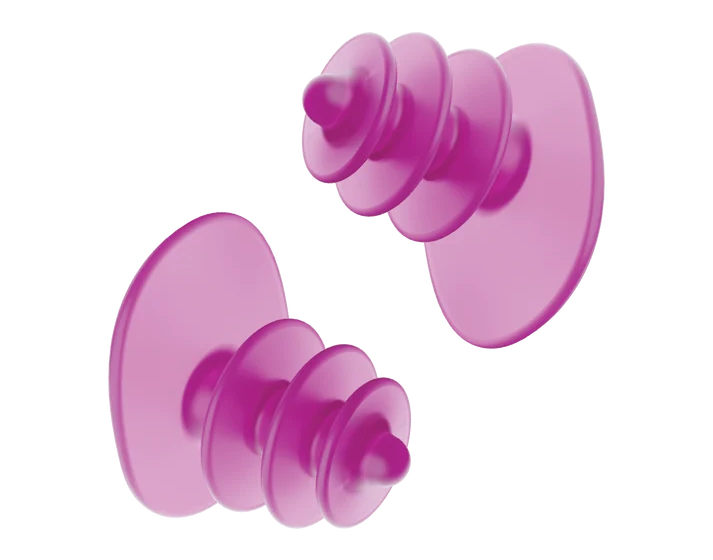
The Rest In Peace earplugs listed on the provided page have an NRR of 19. The product combines a foam noise barrier with thermo-active silicone designed to adapt to body heat and create a snug fit.
An NRR should therefore be considered alongside comfort, fit, intended environment, and the type of noise being encountered rather than treated as the only measure of suitability.
Why Fit Matters
A properly fitted earplug can provide more consistent sound reduction than one that is incorrectly positioned. Ear anatomy differs from person to person, so a design that feels comfortable for one individual may not feel the same for another.
The manufacturer recommends gently pulling the ear upward and outward before insertion, compressing the foam ring, and allowing the material to expand once positioned. Users are also instructed to check that sound reduction feels balanced between both ears.
For occupational hearing protection, NIOSH now recommends individual quantitative fit testing when appropriate, highlighting the importance of verifying the protection achieved by a particular device and user.
Materials and Comfort for Extended Wear
Material selection can influence how an earplug feels during extended use. Foam can provide a flexible barrier, while silicone can contribute to comfort and adaptability. The Rest In Peace design uses a foam layer alongside thermo-active silicone flanges that soften with body heat.
For nighttime use, a low-profile design may also be useful because bulky earplugs can create pressure when the sleeper changes positions. Individual comfort remains subjective, so users should pay attention to pressure, fit, and irritation rather than assuming one design works equally well for everyone.
Reusable vs. Disposable Earplugs
Disposable earplugs are designed for limited use, while reusable models can be cleaned and used repeatedly when maintained correctly. Reusable options can reduce the number of single-use products discarded over time.
The product referenced here is designed for repeated use and includes a carrying case. Its care instructions recommend rinsing the earplugs with warm water and mild soap, allowing them to dry, and storing them in the supplied case.
Clean storage is particularly important for products inserted into the ear canal. Users should follow the manufacturer’s cleaning instructions and replace earplugs if they become damaged or difficult to clean.
Choosing the Right Option
When evaluating sound-resistant earplugs, consider the expected noise level, intended duration of use, material, fit, cleaning requirements, noise-reduction rating, and personal comfort. Someone seeking protection during occasional noisy activities may have different requirements from someone using earplugs overnight.
Conclusion
Selecting earplugs involves more than choosing the highest stated noise-reduction rating. For people comparing sleep earplugs for snoring, evaluating comfort, fit, noise reduction, and suitability for extended nighttime wear can help identify an option that supports a quieter sleeping environment. Fit, comfort, materials, intended use, maintenance, and the surrounding noise environment all contribute to whether an earplug is practical for regular use.