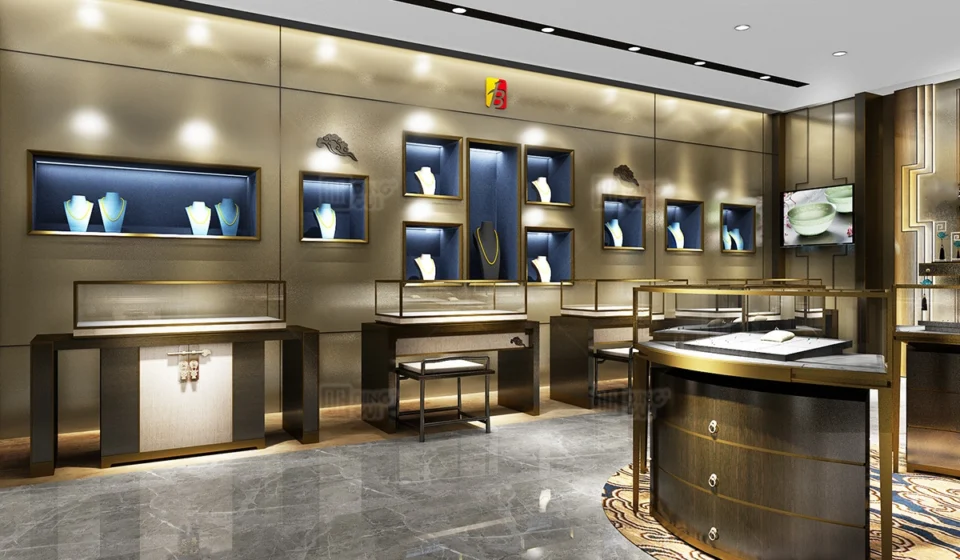

The materials used in a jewelry display can influence more than its appearance. They affect durability, maintenance, lighting, product visibility, and how the display fits into the surrounding retail environment.
When selecting a Jewelry Showcase, retailers should consider how different materials and finishes interact with the products being displayed. A suitable combination can provide protection while creating a clean and visually balanced presentation.
Glass for Product Visibility
Glass is one of the most common materials used in jewelry showcases because it provides a clear view of merchandise while creating a physical barrier between customers and products.
Clear glass can maximize visibility, while tempered glass can offer additional durability for retail environments. Glass surfaces should be cleaned regularly because fingerprints and dust can affect how clearly jewelry can be seen.
Metal for Structure and Detail
Metal is often used for frames, supports, handles, hinges, and decorative elements. Materials such as stainless steel and aluminum can provide a contemporary appearance, while other metal finishes can create a more traditional or luxurious feel.
The finish can also influence how the display interacts with lighting. Highly polished surfaces may reflect surrounding light, whereas brushed or matte finishes generally produce a more subdued appearance.
Wood and Wood-Based Panels
Wood can add warmth and visual contrast to a jewelry display. Natural wood tones may work well in classic or contemporary interiors, while painted or laminated panels can provide more control over color and texture.
Wood-based materials are also commonly used for cabinet bodies, shelving, bases, and decorative panels. Their suitability depends on the desired appearance, construction requirements, and maintenance conditions.
Acrylic for Lightweight Components
Acrylic is useful for certain display accessories because it is lightweight and can be formed into different shapes. Clear acrylic holders can support jewelry without creating a visually heavy appearance.
It can be used for risers, product stands, dividers, and small display components. Care should be taken during cleaning because some acrylic surfaces can scratch more easily than glass.
Fabric and Soft Interior Linings
Soft materials such as velvet, suede, and other fabrics are commonly used inside jewelry displays. They provide a contrasting background and can help prevent direct contact between jewelry and harder display surfaces.
Dark fabric may create strong contrast against lighter metals, while neutral shades can provide a more understated appearance. The best choice depends on the jewelry collection and the desired visual effect.
Laminates for Versatility
Laminate finishes offer a wide range of colors, patterns, and textures. They can be used on cabinet panels, shelves, counters, and other structural surfaces.
Because laminate is available in many styles, it can help coordinate a showcase with existing store furniture without requiring the use of the same material throughout the entire interior.
Matte and Glossy Finishes
The finish applied to a material can significantly change its visual character. Glossy surfaces reflect more light and can create a polished, contemporary appearance, while matte finishes generally produce less reflection.
For jewelry displays, the amount of reflection should be considered carefully. Excessive reflections from glossy surfaces or surrounding lighting can compete with the products.
Neutral Finishes for Product Focus
Neutral colors such as black, white, gray, beige, and muted wood tones are frequently suitable for jewelry displays because they allow the merchandise to remain the primary visual focus.
A neutral finish can also make it easier to change collections without creating a mismatch between the display and different jewelry styles.
Combining Different Materials
Using several materials together can create a balanced showcase. For example, a display might combine a metal frame, glass panels, a wood-based cabinet, and fabric-lined product platforms.
The key is to maintain consistency in proportions and finishes. Too many contrasting materials can make a display feel visually busy and distract attention from the jewelry.
Choose Materials Based on Maintenance
Retail displays require regular cleaning and occasional adjustments. Materials should therefore be selected with everyday maintenance in mind.
Consider factors such as:
- Resistance to scratches and stains
- Ease of cleaning
- Durability of surface finishes
- Resistance to frequent handling
- Availability of replacement components
Practical materials can help a display maintain its appearance over time.
Consider the Store’s Interior Design
A showcase should complement the surrounding retail environment. Materials and finishes can be selected to coordinate with flooring, walls, counters, lighting fixtures, and other furniture.
Retailers comparing display options from brands such as DG Display Showcase should look beyond appearance and consider construction quality, functionality, maintenance, and compatibility with the overall store design.
Conclusion
Materials and finishes play an important role in jewelry showcase design. Glass supports visibility, metal can provide structure, wood adds warmth, acrylic offers flexibility, and soft interior materials can create contrast and protection.
The most suitable combination depends on the jewelry collection, store environment, maintenance requirements, and desired presentation. By evaluating these factors together, retailers can create displays that are durable, practical, and visually appropriate for their merchandise.