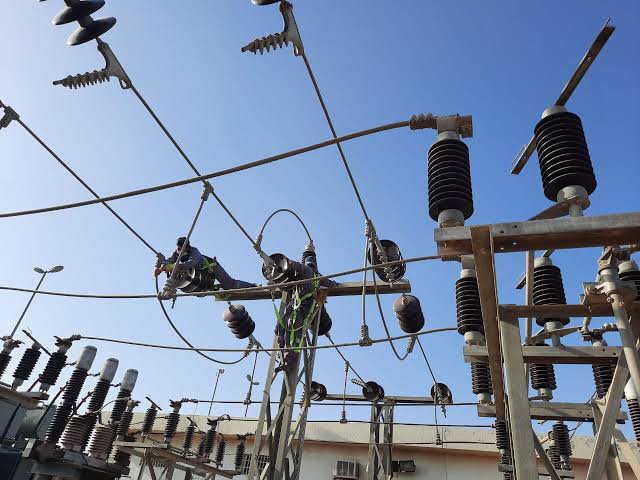

Reliable transmission infrastructure is essential for delivering electricity from generating stations to substations and distribution networks. As power demand grows across cities, industries, rural areas, and emerging infrastructure zones, transmission line construction requires careful planning, engineering expertise, quality materials, and disciplined execution.
Krishna Urja Constructions LLP is associated with the broader field of power infrastructure and transmission line construction, where projects can involve activities ranging from route planning and foundation work to tower erection, conductor installation, testing, and commissioning. Understanding how these services work can help project owners, contractors, and infrastructure stakeholders make better decisions when planning transmission projects.
What Are Transmission Line Services?
Transmission line services cover the engineering, construction, installation, testing, and maintenance activities required to develop overhead or other forms of electrical transmission infrastructure. These services are generally carried out according to project specifications, applicable technical standards, safety requirements, and utility requirements.
A transmission line is more than a series of towers and conductors. It is an integrated system that includes foundations, towers or poles, insulators, conductors, earthing arrangements, protective systems, and associated infrastructure.
Typical transmission line services may include:
- Route and site assessment
- Survey and alignment work
- Foundation construction
- Tower erection
- Pole or monopole installation
- Conductor stringing
- Insulator and hardware installation
- Earthing and grounding work
- Testing and inspection
- Commissioning support
- Repair and maintenance activities
The exact scope depends on the voltage level, terrain, project design, statutory requirements, and transmission utility involved.
Why Transmission Line Construction Requires Specialized Expertise
Transmission projects often cover long distances and pass through different types of terrain. A single project may involve agricultural land, forest areas, hills, roads, rivers, settlements, and industrial zones.
This makes planning and coordination particularly important.
Engineering and Design Coordination
Before construction starts, engineers need to understand the route, electrical requirements, tower configuration, conductor selection, foundation design, and other technical parameters. The design must also account for factors such as wind loading, conductor sag, clearances, soil conditions, and terrain.
Foundation Quality
Transmission towers transfer substantial structural loads to their foundations. Foundation construction therefore needs proper excavation, reinforcement placement, concreting, curing, and inspection.
Poor foundation execution can affect the long-term stability of a tower, making quality control an important part of the construction process.
Tower Erection
Tower members are assembled and erected according to the approved structural design. Workers must follow appropriate lifting, alignment, bolting, and safety procedures during this stage.
Tower erection also requires coordination between manpower, equipment, materials, and site conditions.
Major Stages of a Transmission Line Project
A transmission line project generally progresses through several interconnected stages. While the sequence can vary depending on the project, the following activities are common.
1. Route Survey and Site Assessment
The first step is understanding the proposed transmission corridor. Survey teams examine geographical conditions, existing infrastructure, access routes, land characteristics, and potential obstacles.
The route assessment may consider:
- Terrain and elevation
- Existing roads and crossings
- Rivers and drainage channels
- Buildings and settlements
- Forest or environmentally sensitive areas
- Existing electrical infrastructure
- Accessibility for construction equipment
A carefully assessed route can make later construction activities more predictable.
2. Foundation Construction
Once tower locations are established, foundation work begins according to the approved engineering design.
The process can include excavation, reinforcement installation, formwork, concrete placement, and curing. Soil conditions are particularly important because foundation requirements may differ between locations.
3. Tower or Structure Erection
After foundations have achieved the required condition, towers or other support structures can be erected.
Transmission structures may vary according to voltage level, terrain, span requirements, and project design. Conventional lattice towers are widely used, while monopoles and other structures may be selected for specific applications.
4. Insulator and Hardware Installation
Insulators electrically isolate the conductors from the supporting structures. Hardware assemblies connect the conductors, insulators, and towers while allowing the system to perform under mechanical and electrical loads.
Correct installation is important because these components operate under demanding environmental conditions.
5. Conductor Stringing
Conductor installation is one of the most visible stages of a transmission project. Conductors are installed along the completed structures while maintaining required clearances and controlling mechanical tension.
Stringing operations need careful planning around roads, railways, buildings, communication lines, and other obstacles.
6. Testing and Commissioning
Before a transmission line becomes operational, various inspections and tests are carried out. These activities help confirm that the completed infrastructure meets the applicable project requirements.
Testing may involve checking electrical connections, earthing, clearances, hardware installation, and other relevant systems.
Understanding Different Transmission Line Components
A reliable transmission system depends on several components working together.
Conductors
Conductors carry electrical power along the transmission route. Depending on the project, different conductor technologies and configurations may be selected based on electrical capacity, mechanical characteristics, environmental conditions, and design requirements.
Transmission Towers
Towers provide mechanical support for conductors and maintain the required clearances from the ground and surrounding structures.
Tower designs can differ according to voltage, span length, loading conditions, and terrain.
Insulators
Insulators prevent unwanted electrical flow between energized conductors and grounded supporting structures. Their design must suit the electrical and environmental conditions of the project.
Earthing System
Earthing provides a controlled path for fault currents and helps improve the safety and reliability of electrical infrastructure. Proper earthing arrangements are therefore an important consideration during transmission line construction.
Transmission Projects in Challenging Terrain
Transmission construction becomes more complex when projects pass through mountainous, forested, remote, or heavily populated areas.
In hilly locations, for example, access roads and steep slopes can make transportation and foundation construction more difficult. In areas with dense vegetation or environmental restrictions, construction planning may require additional coordination.
Weather is another important factor. Heavy rain can affect access, excavation, concrete work, material transportation, and overall project schedules.
Experienced project teams generally need to coordinate engineering requirements with practical site conditions rather than treating every tower location in exactly the same way.
Importance of Safety in Transmission Line Work
Electrical transmission construction involves significant structural, mechanical, and electrical risks. Safety should therefore be integrated into every stage of project execution.
Important safety practices can include:
- Proper personal protective equipment
- Controlled lifting and rigging procedures
- Safe tower-climbing practices
- Barricading around excavation areas
- Appropriate electrical isolation procedures
- Traffic management near road crossings
- Safe handling of construction materials
- Regular site inspections
- Clear communication between work teams
Workers should receive appropriate training for the activities they perform, and project-specific safety procedures should be followed throughout construction.
Quality Control During Transmission Construction
Quality control is not limited to the final inspection. It begins with material selection and continues through every stage of execution.
Important quality checks can involve:
- Verification of construction materials
- Foundation dimensions and reinforcement
- Concrete quality and curing
- Tower member identification and assembly
- Bolt installation and tightening
- Tower verticality and alignment
- Insulator and hardware installation
- Conductor sag and tension
- Earthing arrangements
- Final inspection and documentation
Maintaining proper records can also help project teams track construction quality and resolve issues efficiently.
The Role of Project Coordination
Large transmission projects involve multiple stakeholders, including utilities, engineering teams, contractors, suppliers, landowners, safety personnel, and regulatory authorities.
Effective coordination helps ensure that engineering plans are translated correctly into field execution.
For example, a delay in material delivery can affect tower erection, while access restrictions can affect foundation work or conductor stringing. Good project management therefore requires regular communication between different teams.
Transmission Line Services and Long-Term Infrastructure
Transmission infrastructure is designed to operate for many years. Construction quality can therefore influence not only the initial commissioning process but also future maintenance requirements.
Routine inspection can help identify issues such as damaged components, corrosion, vegetation-related concerns, structural problems, or other conditions requiring attention.
Maintenance planning should consider the environment in which the transmission line operates. Structures exposed to harsh weather, difficult terrain, or industrial conditions may require specific inspection and maintenance approaches.
What Should You Consider When Selecting a Transmission Contractor?
Selecting a contractor for transmission infrastructure requires more than comparing prices. Project owners should consider whether the contractor can manage the technical, logistical, safety, and coordination requirements of the work.
Useful factors to review include:
- Relevant project experience: Consider experience with similar transmission infrastructure and voltage levels.
- Technical capabilities: Review the contractor’s ability to manage surveys, foundations, structures, stringing, and related activities.
- Safety practices: Ask about site safety systems, training, and supervision.
- Quality processes: Understand how materials and construction work are inspected and documented.
- Project management: Assess the contractor’s ability to coordinate manpower, equipment, materials, and schedules.
- Terrain experience: For difficult locations, practical experience with local site conditions can be particularly useful.
- Compliance: Confirm that project execution follows applicable specifications, standards, and statutory requirements.
A clear understanding of responsibilities at the beginning of a project can reduce confusion during construction.
Frequently Asked Questions
1. What do transmission line services include?
Transmission line services can include route surveys, foundation construction, tower or pole erection, insulator and hardware installation, conductor stringing, earthing, testing, commissioning support, and maintenance. The exact scope depends on the project’s design and requirements.
2. Why is foundation construction important for transmission towers?
Foundations transfer structural loads from the tower into the ground. Their design and construction need to account for factors such as soil conditions, tower configuration, loading, and site characteristics.
3. What is conductor stringing?
Conductor stringing is the process of installing electrical conductors along transmission structures. It requires controlled installation to maintain appropriate tension, sag, clearances, and protection against damage.
4. Are transmission projects different in hilly or remote areas?
Yes. Difficult terrain can affect transportation, foundation construction, access, material handling, and worker safety. Projects in such locations require careful route planning and site-specific construction methods.
5. What should be checked before choosing a transmission line contractor?
Project experience, technical capabilities, safety procedures, quality-control systems, manpower and equipment resources, project-management capabilities, and compliance with applicable requirements are important factors to review.
Conclusion
Transmission line construction is a multidisciplinary activity that combines engineering, civil construction, structural erection, electrical installation, safety management, and project coordination. From route surveys and foundations to tower erection, conductor stringing, testing, and maintenance, every stage contributes to the reliability of the finished infrastructure.
For organizations involved in power transmission and infrastructure development, working with an appropriately experienced project team can help ensure that technical requirements and site realities are addressed together. Krishna Urja works in the broader transmission and power infrastructure space, supporting the importance of systematic planning and disciplined execution in transmission line projects.
