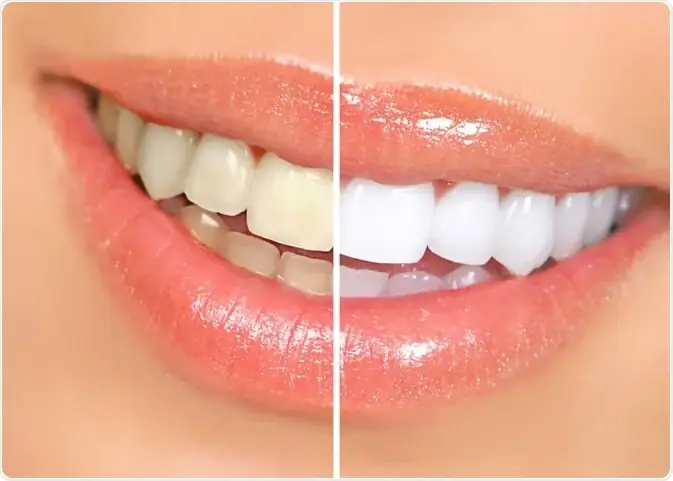

A brighter smile can make teeth look cleaner and more refreshed, but professional teeth whitening is about more than simply choosing a whitening product. The process works by breaking down certain stains and lightening the natural colour of the teeth, while a dental professional first considers whether whitening is appropriate for the patient.
For people considering teeth whitening dubai, understanding how the treatment works, what affects the result, and how to care for the teeth afterwards can make the experience more predictable.
What Is Teeth Whitening?
Teeth whitening is a cosmetic dental treatment designed to lighten the colour of natural teeth and reduce certain types of staining. Professional whitening generally uses peroxide-based whitening agents, which interact with stain molecules within the tooth structure.
The degree of whitening depends on several factors, including the original shade of the teeth, the type of staining, the whitening method used, and individual tooth characteristics.
Whitening does not permanently change the natural structure of the teeth. Instead, it helps reduce discolouration so the teeth appear lighter.
Why Do Teeth Become Discoloured?
Tooth colour naturally varies from person to person. Over time, teeth can become darker or develop visible stains because of everyday habits and changes within the tooth.
Common causes include:
- Coffee, tea, and other strongly coloured drinks
- Smoking or tobacco use
- Certain foods with intense pigments
- Natural ageing
- Inadequate plaque control
- Some medications or dental conditions
- Trauma affecting an individual tooth
- Changes in the inner structure of a tooth
It is also useful to distinguish between extrinsic and intrinsic staining.
Extrinsic Stains
Extrinsic stains develop on or near the outer surface of the teeth. Food, drinks, tobacco, and plaque can contribute to this type of discolouration.
Some surface stains may improve with professional cleaning, while whitening can help with stains that respond to peroxide-based treatment.
Intrinsic Discolouration
Intrinsic discolouration occurs within the tooth. It can be associated with ageing, trauma, certain medications, or changes in tooth development.
Not every type of intrinsic staining responds equally well to conventional whitening. A dental assessment can help determine whether whitening is likely to produce a noticeable improvement.
How Does Professional Teeth Whitening Work?
Professional whitening uses a bleaching agent, commonly based on hydrogen peroxide or carbamide peroxide, to break down coloured compounds responsible for tooth discolouration.
The process can be understood in a few basic stages:
- Dental assessment: The dentist examines the teeth and gums and discusses the patient’s expectations.
- Shade assessment: The existing tooth colour may be recorded to help assess the change.
- Preparation: Teeth and surrounding tissues are prepared according to the whitening method being used.
- Whitening application: The whitening material is applied according to the product’s instructions and the selected treatment approach.
- Monitoring: The dentist or dental team monitors the treatment and manages any sensitivity or soft-tissue concerns.
- Aftercare: Patients receive guidance on maintaining their results and protecting their oral health.
The exact process varies depending on whether the treatment is performed in the dental clinic or uses a dentist-provided take-home system.
In-Clinic Whitening vs Take-Home Whitening
Both approaches can be used to brighten natural teeth, but they work differently in practice.
In-Clinic Whitening
In-clinic treatment is performed under professional supervision. The dental team prepares the mouth and applies the whitening product in controlled stages.
This option may appeal to people who prefer a professionally managed appointment rather than using a whitening system at home.
Dentist-Provided Take-Home Whitening
Take-home whitening involves a whitening system supplied or recommended by a dental professional. Depending on the system, customised trays may be used with a prescribed whitening gel.
The process takes place over a longer period, allowing the whitening effect to develop gradually.
The appropriate option depends on factors such as the condition of the teeth, the type of staining, sensitivity, lifestyle, and the patient’s expectations.
Is Teeth Whitening Safe?
Professional teeth whitening is generally considered a safe cosmetic dental procedure when suitable products are used correctly and the treatment is appropriately supervised.
However, temporary tooth sensitivity or gum irritation can occur. The risk and severity can vary between individuals.
A dental examination is particularly important if someone has:
- Tooth decay
- Cracked or damaged teeth
- Gum disease
- Significant tooth sensitivity
- Unresolved dental pain
- Existing restorations that are visible when smiling
Whitening products affect natural tooth structure, but they do not whiten dental restorations such as crowns, veneers, bridges, or many types of fillings. This is important when planning treatment because whitening can sometimes create a colour difference between natural teeth and existing restorations.
What Happens During a Teeth Whitening Consultation?
A consultation is more than selecting a whitening shade. The dentist first considers the condition of the teeth and gums and discusses what the patient wants to achieve.
The assessment may consider:
- Existing tooth colour
- Visible staining
- Dental restorations
- Signs of decay or gum problems
- Tooth sensitivity
- Previous whitening treatments
- Overall oral hygiene
- The patient’s expectations
This assessment helps determine whether whitening is suitable or whether another dental treatment should be considered first.
At DentisTree Dental Clinic, discussions about cosmetic dental treatments can be approached with the wider condition of the patient’s oral health in mind. This is important because a brighter smile should not come at the expense of untreated dental problems.
How Long Does Teeth Whitening Take?
Treatment time depends on the whitening method and the individual treatment plan.
In-clinic whitening may be completed during a dental appointment, while dentist-provided take-home whitening generally requires repeated use over a specified period.
The final result is also influenced by the starting shade and the type of discolouration. Whitening is not an identical process for everyone, so two people using the same approach may experience different levels of colour change.
What About Tooth Sensitivity?
Sensitivity is one of the most common concerns associated with tooth whitening. Some people may experience temporary sensitivity during or after treatment.
Sensitivity can be influenced by:
- Existing tooth sensitivity
- Whitening concentration
- Frequency and duration of use
- Tooth condition
- Individual response to whitening
If sensitivity develops, patients should follow the guidance provided by their dental professional rather than increasing or repeatedly applying whitening products.
How Can You Maintain Whitening Results?
Whitening results are not permanent because teeth can become stained again over time.
Good oral care can help maintain a brighter appearance:
- Brush twice daily with fluoride toothpaste.
- Clean between the teeth regularly.
- Attend routine dental examinations and professional cleaning when recommended.
- Limit frequent exposure to strongly staining foods and drinks.
- Avoid tobacco products.
- Follow your dentist’s advice regarding any maintenance whitening.
It is also important not to assume that using more whitening product will automatically produce a better result. Excessive or inappropriate use can increase the risk of sensitivity and irritation.
Can Everyone Have Whiter Teeth?
Not necessarily. Whitening works best on certain types of natural tooth discolouration, and individual results vary.
For example, crowns, veneers, and fillings do not respond to conventional tooth whitening in the same way as natural enamel. A dentist can explain the likely outcome after examining the teeth and existing restorations.
People with untreated cavities, active gum problems, or other dental concerns may need those issues addressed before cosmetic whitening is considered.
What Should You Look for When Choosing Teeth Whitening in Dubai?
When comparing whitening options, focus on the treatment process rather than promises of a particular shade.
Consider whether the dental provider:
- Performs an appropriate dental assessment
- Explains the whitening method clearly
- Discusses possible sensitivity
- Reviews existing restorations
- Sets realistic expectations
- Provides suitable aftercare guidance
- Uses professional dental products and protocols
A patient-focused approach helps ensure that cosmetic treatment remains connected to overall oral health.
Frequently Asked Questions
1. How does teeth whitening actually whiten teeth?
Professional whitening uses peroxide-based agents that break down coloured compounds responsible for certain types of tooth staining. This can make natural teeth appear lighter. The amount of whitening varies according to the original tooth shade and type of discolouration.
2. Is teeth whitening suitable for sensitive teeth?
People with sensitive teeth may still be candidates for whitening, but sensitivity should be discussed with a dentist before treatment. The dentist can assess possible causes of sensitivity and determine whether whitening is appropriate.
3. Will whitening make crowns and veneers whiter?
No. Conventional tooth whitening works on natural teeth and does not whiten existing crowns, veneers, or many dental fillings. If visible restorations are present, their colour should be considered when planning whitening.
4. How long do teeth whitening results last?
There is no fixed duration because results depend on diet, oral hygiene, tobacco use, ageing, and individual staining patterns. Maintaining good oral hygiene and following professional aftercare advice can help preserve the brighter appearance.
5. Can I whiten my teeth if I have cavities?
Whitening should not be used as a substitute for treating dental problems. If cavities, gum disease, cracks, or significant sensitivity are present, a dentist should assess them before cosmetic whitening is considered.
Conclusion
Teeth whitening can be an effective way to reduce certain types of tooth discolouration and create a brighter-looking smile, but the process should be based on the condition of the teeth, the cause of staining, and realistic expectations. Professional assessment is especially useful when sensitivity, dental restorations, or existing oral health concerns are involved.
For patients exploring teeth whitening Dubai, understanding the treatment process and discussing individual needs with a qualified dental professional can help make the experience safer and more predictable. DentisTree Dental Clinic can be considered as part of that process, with cosmetic dental care approached alongside the patient’s overall oral health.