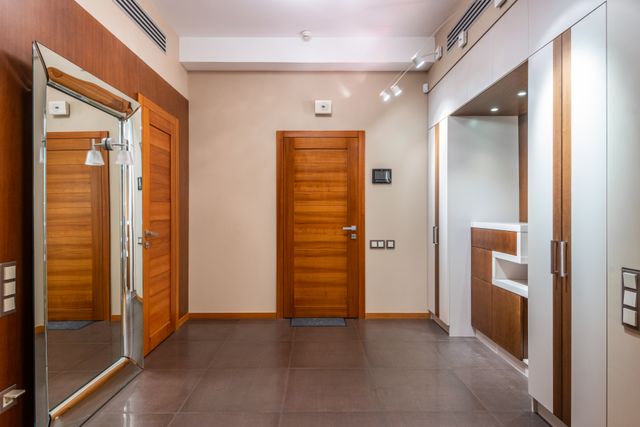
Matching Door Features to Room Location: Advice From the Best Door Supplier in the Philippines

Choosing an interior door involves more than picking a style that looks good. Each room has different requirements for privacy, moisture resistance, ventilation, access, and daily use. Advice from the Best Door Supplier in the Philippines often starts with matching door features to the room where the door will be installed. A bedroom needs different features from a bathroom, kitchen, or storage area. By considering how each space functions, you can select doors that perform well while keeping the home’s design consistent.
1. What Door Features Work Best for Bedrooms?
Bedrooms need doors that provide privacy, reduce outside noise, and operate smoothly. Solid-core or well-built panel doors are practical choices because they offer better sound control than lightweight hollow doors.
Consider these features for bedroom doors:
- Solid construction for better privacy
- Reliable hinges for frequent use
- A sturdy lockset
- A finish that matches the room’s interior
- Proper door clearance for smooth operation
Door thickness also affects sound transmission and durability. If the bedroom is close to a living room, hallway, or home office, a more substantial door can help create a quieter environment.
2. Which Doors Are Suitable for Bathrooms?
Bathrooms require materials and finishes that handle regular exposure to moisture. A door that absorbs water easily could swell, warp, or deteriorate over time.
Look for doors with:
- Moisture-resistant materials
- Durable surface finishes
- Corrosion-resistant hardware
- Proper ventilation considerations
- Easy-to-clean surfaces
The bathroom door should also open and close without rubbing against the floor. Leave appropriate clearance and consider ventilation needs so the room can dry efficiently after use.
3. What Door Features Should You Consider for Kitchens?
Kitchen doors often experience heat, odors, humidity, and frequent traffic. The best choice depends on whether the door separates the kitchen from another room or provides access to an exterior area.
For interior kitchen doors, prioritize durable surfaces that are easy to clean. Doors with finishes that resist stains and regular wiping are useful in spaces where grease and food particles are common.
If the kitchen connects to a service area, consider the door’s ventilation and access requirements. Hardware should also withstand frequent opening and closing without becoming loose or difficult to operate.
4. Which Doors Are Practical for Living Rooms?
Living rooms typically need doors that complement the home’s overall design while providing practical separation between spaces. Because these doors are highly visible, their material, finish, and proportions have a strong effect on the room’s appearance.
Consider panel doors, glazed doors, or other designs depending on the desired level of privacy and natural light. Glass elements work well when you want visual connection between rooms, while solid panels provide greater separation.
Check the surrounding wall, furniture placement, and available swing area before selecting the door. The door should open fully without interfering with furniture or blocking important pathways.
5. What Should You Look for in Home Office Doors?
A home office benefits from a door that supports privacy and helps reduce distractions. Sound control becomes especially important if you regularly attend meetings, make calls, or work in a busy part of the home.
Solid doors generally provide better separation than lightweight options. Pair the door with quality seals and properly fitted hardware if reducing sound transfer is a priority.
Consider the location of electrical outlets, desks, and storage furniture before deciding on the door swing. A sliding or alternative door configuration might work better if the office has limited floor space.
6. Which Door Features Suit Utility and Storage Areas?
Utility rooms, closets, and storage spaces often have simpler requirements, but durability and accessibility still matter. The door should withstand the expected frequency of use without requiring excessive maintenance.
For storage areas, lightweight doors can be suitable when privacy and sound control are not major concerns. Ventilated designs can also help when airflow is important, especially in certain utility spaces.
For larger storage or utility areas, check the opening size and available clearance. The door should allow you to move appliances, boxes, cleaning equipment, or other large items through the opening when necessary.
7. How Should You Choose Doors for Exterior Access Points?
Doors leading to balconies, gardens, service areas, or other exterior spaces need stronger consideration for weather exposure and security. The material and finish should suit the conditions around the opening.
Prioritize:
- Weather-resistant construction
- Secure locking hardware
- Durable hinges
- Proper sealing
- Resistance to moisture and temperature changes
Glass doors can provide natural light and outdoor views, but the glass specification and framing system should suit the location. For exposed areas, proper installation is as important as the door itself because gaps around the frame can affect water and air infiltration.
8. Why Does Door Hardware Need to Match the Room?
Hardware affects how a door functions, not only how it looks. Handles, locks, hinges, closers, and other components should suit the door’s weight, usage frequency, and location.
Bathrooms require hardware that handles humidity, while exterior doors need hardware designed for security and exposure. High-traffic areas also benefit from durable hinges and handles that tolerate repeated use.
Match the hardware finish across connected spaces when maintaining a consistent interior style matters. More importantly, confirm that each component is compatible with the selected door and frame before installation.
9. How Does Room Location Affect Door Size and Swing Direction?
Door placement affects movement throughout the home. Before ordering a door, check the opening dimensions, wall position, nearby furniture, and direction of movement.
A door that swings into a narrow hallway could create an obstruction. In a small bathroom or storage room, changing the swing direction or using a space-saving configuration could provide better access.
Measure the opening accurately and account for the frame, floor finish, and required clearance. Proper planning reduces installation problems and helps the finished door operate smoothly.
10. What Should You Ask a Door Supplier Before Buying?
A supplier should help you match the door specification to the room instead of recommending the same product for every location. Ask about material suitability, moisture resistance, hardware compatibility, maintenance requirements, and installation requirements.
Before placing an order, confirm:
- Recommended applications
- Available sizes
- Material and core construction
- Finish options
- Hardware choices
- Warranty coverage
- Installation requirements
- Maintenance instructions
The Best Door Supplier in the Philippines should also explain why a particular door works for your intended location. Clear product information makes it easier to compare options based on performance rather than appearance alone.
Frequently Asked Questions
What is the best door for a bedroom?
A solid and durable door is generally suitable for bedrooms because it provides privacy and better separation from nearby areas. Choose the construction and hardware based on the room’s location and how much sound control you need.
What type of door is suitable for a bathroom?
A bathroom door should use moisture-resistant materials and finishes designed to handle regular humidity. Corrosion-resistant hardware and proper ventilation should also be considered.
Should all doors in a home use the same material?
Not necessarily. Different rooms have different exposure levels and functional requirements, so material choices should reflect how each space is used.
Why is professional door installation important?
Proper installation helps ensure correct alignment, clearance, locking, and smooth operation. It also helps reduce gaps and other installation issues that could affect durability and performance.
Key Takeaway
Choosing doors by room location helps you balance appearance, privacy, durability, and everyday function. Bedrooms benefit from solid construction, bathrooms need moisture-resistant materials, and exterior openings require weather resistance and security. Kitchens, offices, living rooms, and utility spaces also have specific requirements based on how people use them. The Best Door Supplier in the Philippines should help you compare these factors before you order. A room-specific approach gives you doors that fit both the design and practical needs of your home.