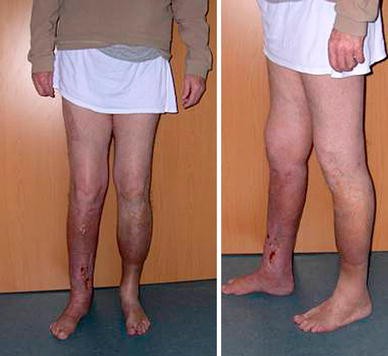

Osteomyelitis is a serious infection that affects the bone. It can develop when bacteria or other microorganisms enter the bloodstream and travel to the bone, or when an infection spreads from nearby tissue. Open fractures, surgery, diabetic foot wounds, pressure ulcers, and bloodstream infections can all increase the risk.
Finding the right Osteomyelitis Treatment is important because untreated bone infections can cause bone damage, abscesses, chronic pain, and, in severe cases, the spread of infection to other parts of the body.
Treatment depends on the type of infection, the affected bone, the microorganism responsible, the patient’s overall health, and whether dead bone or an abscess is present. Most bacterial cases require medically supervised antibiotics, and some require surgery. Supportive measures can also help the body recover, but they should not replace appropriate infection treatment.
This article explains the main Osteomyelitis Treatment options and discusses where natural approaches may fit safely into a broader care plan.
What Is Osteomyelitis?
Osteomyelitis is an infection and inflammation of bone. Bacteria, fungi, or other microorganisms can cause it, although bacterial infections are the most common.
The infection may reach bone through the bloodstream, spread from nearby infected tissue, or enter directly through an injury or surgical wound. Staphylococcus aureus is among the most common organisms associated with osteomyelitis.
Symptoms can include:
- Bone pain or tenderness
- Swelling around the affected area
- Redness or warmth
- Fever and chills
- Fatigue
- Difficulty moving an affected limb
- Drainage from an infected wound
- Persistent pain around a surgical site
Chronic osteomyelitis may produce fewer obvious symptoms but can persist for months or recur after apparently successful treatment.
Why Early Osteomyelitis Treatment Matters
Bone infections can be difficult to treat because infected or dead bone may have poor blood circulation. This can make it harder for antibiotics and immune cells to reach the affected area.
Early diagnosis allows healthcare professionals to identify the infection and determine its cause. Depending on the situation, doctors may use blood tests, blood cultures, X-rays, MRI scans, CT scans, or a bone biopsy and culture.
A bone or tissue culture can help identify the microorganism responsible and guide antibiotic selection. For vertebral osteomyelitis, the Infectious Diseases Society of America recommends basing definitive antimicrobial therapy on culture and susceptibility results whenever possible.
1. Antibiotic Therapy
Antibiotics are one of the most important components of bacterial Osteomyelitis Treatment.
The specific medicine depends on the organism causing the infection. Doctors may initially prescribe an antibiotic that covers the most likely bacteria, particularly when treatment cannot wait for culture results. Once laboratory testing identifies the microorganism and its antibiotic sensitivity, treatment can often be narrowed to a more targeted medicine.
Some patients initially receive antibiotics intravenously. Others may be able to transition to an appropriate oral antibiotic when their condition improves and the selected medicine has adequate absorption and activity against the infection.
Treatment duration varies considerably. For example, IDSA guidelines recommend about six weeks of antimicrobial therapy for most adults with bacterial native vertebral osteomyelitis, although individual cases may require different treatment plans.
Patients should take antibiotics exactly as prescribed and should not stop treatment simply because symptoms improve.
2. Culture-Guided Treatment
Choosing an antibiotic simply because it is commonly used is not always enough.
A culture can help determine which microorganism is responsible. Susceptibility testing can then show which antibiotics are likely to work against that organism.
This approach is particularly important when:
- The infection has returned.
- Previous antibiotics have failed.
- Drug-resistant bacteria are suspected.
- The patient has recently undergone surgery.
- The infection is chronic.
- The patient has received antibiotics before testing.
Targeted treatment can reduce unnecessary exposure to broad-spectrum antibiotics and improve the chance of controlling the infection.
3. Surgical Drainage
An abscess can create a pocket of infected fluid around or within the affected area. Antibiotics alone may not adequately treat a large collection that needs drainage.
In these situations, a surgeon may drain pus or infected fluid. Drainage can reduce the amount of infected material and provide a sample for laboratory testing.
Mayo Clinic notes that osteomyelitis surgery may involve draining infected areas, removing diseased bone and tissue, restoring blood flow, or removing foreign objects when necessary.
4. Surgical Debridement
Debridement is a procedure in which infected, damaged, or dead tissue is removed.
It can be particularly important in chronic osteomyelitis because dead bone may provide a protected environment where microorganisms can persist.
The surgeon aims to remove infected material while preserving as much healthy bone and tissue as possible. In some cases, additional reconstructive procedures are needed after infected tissue has been removed.
Surgery is not automatically required for every person with osteomyelitis. The decision depends on the location and severity of infection, response to medical therapy, presence of dead bone or an abscess, and the patient’s overall condition.
5. Treatment of Infected Hardware
Sometimes osteomyelitis develops around metal plates, screws, joint replacements, or other implanted materials.
Treatment can be more complicated because microorganisms can attach to implanted surfaces and form biofilms.
Depending on the circumstances, doctors may recommend retaining the hardware while treating the infection, removing it, replacing it, or performing additional surgery. The decision depends on factors such as whether the hardware is essential for stability and whether the infection can be controlled without removal.
6. Bone Reconstruction and Tissue Coverage
Extensive infection can leave a defect in the bone or surrounding soft tissue.
After debridement, surgeons may need to reconstruct the affected area. Bone grafts, muscle flaps, skin grafts, or other reconstructive techniques may be considered.
The goal is not simply to remove infection. Treatment may also need to restore structural stability, improve blood supply, close wounds, and support normal function.
Mayo Clinic describes procedures that may restore blood flow and fill spaces left after removal of infected bone with bone or other tissue when appropriate.
7. Treatment of the Underlying Cause
Successful Osteomyelitis Treatment also requires attention to the reason the infection developed.
For example, people with diabetes may develop bone infections from persistent foot ulcers. Treating the bone infection without addressing wound care and blood glucose management can increase the risk of recurrence.
Doctors may therefore recommend:
- Proper wound care
- Pressure relief
- Management of diabetes
- Treatment of circulation problems
- Removal of infected tissue
- Treatment of nearby skin or soft-tissue infections
- Smoking cessation
Stopping smoking can support healing, and Mayo Clinic specifically notes that quitting smoking may help speed recovery.
8. Supportive Nutrition
Good nutrition does not eliminate a bone infection, but it supports the body’s ability to repair tissue and recover during treatment.
A balanced diet should provide adequate:
- Protein
- Calories
- Vitamin C
- Vitamin D
- Calcium
- Zinc
- Iron, when needed
Protein is particularly important for tissue repair. Fruits and vegetables provide vitamins, minerals, and other nutrients that support normal immune and healing functions.
People with poor appetite, significant weight loss, diabetes, kidney disease, or other nutritional concerns may benefit from advice from a doctor or registered dietitian.
9. Hydration and Rest
Adequate hydration and appropriate rest can support general recovery.
During an active infection, the body requires energy to mount an immune response and repair damaged tissues. Rest can help reduce unnecessary physical stress.
However, prolonged inactivity may cause weakness and stiffness. Once the treating healthcare professional considers it safe, an appropriate rehabilitation programme can help restore strength and mobility.
10. Physical Therapy and Rehabilitation
Infections affecting the limbs, spine, or joints can limit movement.
After the infection begins to respond to treatment, physical therapy may help improve:
- Strength
- Flexibility
- Balance
- Range of motion
- Walking ability
- Functional independence
The timing of rehabilitation depends on the location and severity of infection and whether surgery has been performed.
Patients should avoid exercises that place excessive stress on infected or healing bone unless their healthcare professional has approved them.
11. Monitoring Treatment Response
Successful treatment does not always mean that pain disappears immediately.
Healthcare professionals may monitor symptoms, physical findings, blood tests, and other indicators of recovery. CRP and ESR may be used in some cases to monitor inflammatory activity.
For vertebral osteomyelitis, IDSA recommends monitoring clinical symptoms and laboratory markers and generally reserving repeat imaging for patients who are not showing appropriate clinical or laboratory improvement.
A persistent abnormal scan does not automatically mean treatment has failed. Clinical progress is also important.
12. Managing Chronic Osteomyelitis
Chronic osteomyelitis can be especially challenging because infection may persist inside damaged or dead bone.
Management may involve a combination of:
- Culture-guided antibiotics
- Surgical debridement
- Abscess drainage
- Treatment of associated wounds
- Removal or management of infected hardware
- Reconstruction
- Long-term monitoring
Merck Manual notes that chronic cases may require prolonged antimicrobial treatment and surgical removal of necrotic bone or drainage of associated abscesses.
Recurrence can occur, so follow-up remains important even after symptoms improve.
13. Natural Remedies for Osteomyelitis
People frequently search online for Natural Remedies for Osteomyelitis because they want gentler approaches to support recovery.
However, it is important to distinguish supportive natural measures from treatments that eliminate an established bone infection.
There is not enough reliable clinical evidence to recommend herbs or home remedies as a replacement for antibiotics, drainage, or surgery when bacterial osteomyelitis is present.
Safe supportive measures may include maintaining good nutrition, staying appropriately hydrated, getting adequate rest, avoiding smoking, and following professional wound-care recommendations.
These measures can complement medical treatment but should not delay diagnosis or prescribed therapy.
14. Natural Treatment for Bone Infection: What Should You Know?
The phrase Natural Treatment for Bone Infection can be misleading because a confirmed bone infection is a medical condition that can become serious.
Natural approaches may support general health, but they should not be promoted as a proven way to eradicate bacteria from infected bone.
For example, consuming herbs, vitamins, or supplements without professional guidance may create problems. Some supplements can interact with prescription medicines, affect blood clotting, alter blood sugar, or cause liver or kidney problems.
Therefore, anyone considering herbal products during osteomyelitis treatment should tell their healthcare professional about every supplement they use.
15. Best Herbal Supplements Products and Natural Remedies
Searches for Best Herbal Supplements Products and Natural Remedies often reflect an interest in complementary care.
If someone chooses to use a herbal supplement, the safest approach is to view it as supportive rather than curative. A healthcare professional should review the product, especially when the person is taking antibiotics or other medicines.
A supplement should never be used to replace an antibiotic prescribed for a confirmed bacterial bone infection.
The evidence for many herbal products in human osteomyelitis is limited. Laboratory findings suggesting antimicrobial activity do not necessarily prove that an herb can reach infected bone at an effective concentration or cure osteomyelitis in people.
For this reason, claims that a particular herb can cure osteomyelitis naturally should be approached cautiously.
Can Osteomyelitis Be Cured Naturally?
For a confirmed bacterial bone infection, relying solely on natural remedies is not considered a proven treatment strategy.
The most effective treatment depends on the cause and severity of infection. In many cases, appropriate antimicrobial therapy is central to treatment. Some patients also require drainage or surgery.
Natural approaches can have a supporting role in areas such as nutrition, healthy lifestyle habits, wound care, and general recovery. However, they should complement—not replace—evidence-based medical treatment.
How Doctors Decide Which Osteomyelitis Treatment Is Best
There is no single treatment that works for every patient.
Doctors consider several factors, including:
- The microorganism causing the infection
- The location of the infection
- Acute versus chronic disease
- Presence of dead bone
- Presence of an abscess
- Previous treatment
- Antibiotic resistance
- Blood circulation
- Diabetes and other health conditions
- Presence of surgical hardware
- Whether the infection involves the spine
- The patient’s response to initial therapy
For example, a stable patient with an uncomplicated infection may be managed primarily with antimicrobial therapy, while another patient with an abscess or extensive necrotic bone may require surgery.
When Is Osteomyelitis an Emergency?
Bone infection requires prompt medical assessment. Urgent care may be particularly important when someone develops:
- High fever or chills
- Rapidly worsening pain or swelling
- Confusion or severe weakness
- Pus or significant drainage from a wound
- Redness spreading around a wound
- Signs of sepsis
- New weakness, numbness, or difficulty walking
- Severe back pain with neurological symptoms
Spinal osteomyelitis can be especially serious. IDSA recommends urgent intervention and antimicrobial therapy when vertebral infection is accompanied by neurological compromise or serious systemic instability.
What Works Best for Osteomyelitis?
The best Osteomyelitis Treatment is the one that addresses the specific infection and its underlying cause.
For bacterial osteomyelitis, this commonly means appropriate antibiotics selected according to the suspected or confirmed microorganism. When dead bone, an abscess, or other complications are present, surgery may be necessary.
Supportive care—including good nutrition, wound care, appropriate rehabilitation, smoking cessation, and management of underlying conditions—can contribute to recovery.
Natural remedies and herbal supplements may be considered as complementary wellness measures, but current evidence does not support using them alone to cure a confirmed bone infection.
Final Thoughts
Osteomyelitis is a serious condition that requires timely and appropriate care. Although searches for Natural Remedies for Osteomyelitis, Natural Treatment for Bone Infection, and Best Herbal Supplements Products and Natural Remedies are common, natural approaches should not replace proven medical treatment.
Antibiotics, culture-guided therapy, drainage, surgical debridement, treatment of underlying conditions, and rehabilitation all have important roles depending on the individual case.
The most appropriate approach should be determined by a qualified healthcare professional after considering the infection’s location, severity, organism, and the patient’s overall health.
If osteomyelitis is suspected, seek medical assessment rather than attempting to treat the infection at home. Early diagnosis and an appropriate treatment plan can improve the likelihood of controlling the infection and protecting bone function.