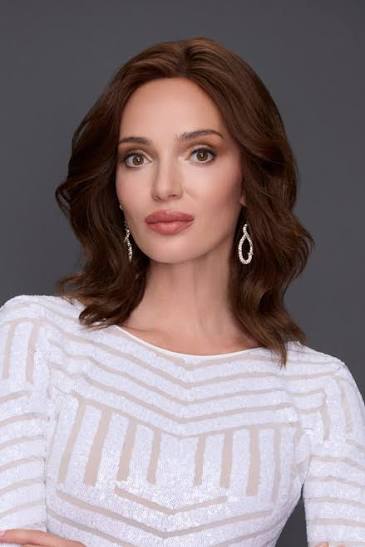

Remember that if you ever spend time in an Orthodox neighborhood, many of the married women have hair that appears a bit too perfect for their own good. Not a hair out of place, the same cut day after and day again and sometimes an entirely different texture for what would you expect. It was most likely a sheitel, Yiddish for the wig worn primarily for religious purposes. Which raises an important question: why do orthodox Jewish women wear wigs and what does it mean?
The Religious Root of Hair Covering
It is rooted in Jewish law, known as halacha, which maintains that the hair of a married woman is privy only to her husband. This idea is referred to by the Hebrew word tzniut, which it often translates as modesty (though that might not fully capture it). Tzniut is not hiding what you have but keeping something intimate only in the context where it belongs. When a woman marries, her hair changes from public domain to private property as the wedding ring indicates status change.
This isn’t unique to wigs. Others prefer to cover their hair with scarves, hats or snoods and are called Orthodox. Some people only cover their hair with a wig, which is one option among many; communities have differing customs in preference.
Why Some Communities Prefer Wigs Specifically
This really is where people frequently question with do hasidic Jewish women wear wigs specially because Hasidic communities are generally a few of the most noticeable well-known owners regarding headscarf, and wigs are extremely common in them. One part of the answer is pragmatic. With a good wig, that looks natural, even in many circles as the tradition passed down through generations of just what is done- and allows for women to go about their days without worrying about their covering moving or sliding.
There is also a nuance that overseas observers find surprising: Within some Hasidic sects, married women shave their heads altogether and wear a wig 24/7. In other communities, women wear their hair short under a wig but still use a natural-style or braiding wig over the top of their own untouched hair. Details vary by sect, family tradition and individual preferences.
A Common Point of Confusion
It may perplex non-Jewish observers, however, that a wig (known as sheitel in Hebrew or yashmak in Yiddish), which is actually an extension of the head garment for hair, can fulfill an obligation to cover hair. But a wig still displays hair, just not the woman’s own.
This has been debated for centuries by religious authorities, and the consensus was that a wig was not literally peering into a woman’s private hair, although visually it appears to be. But critics within Orthodox Judaism have challenged this logic, saying a wig that appears natural not only compromises the letter of modesty rules but their spirit. Regardless, the wigs continue to be a prevalent practice in many Orthodox and Hasidic communities today.
The Quality and Cost of a Sheitel
Given that sheitels are typically worn on a daily basis for years, many are manufactured from the highest quality human hair and can be thousands of dollars in cost, as opposed to more typical fashion wigs. In fact, some sites advertise wigs — also known as sheitels — that can cost in the thousands of dollars, especially in Hasidic communities where an undetectable appearance is a high priority. Some women have more than oneIone for regular, another strictly for the Sabbath and holidays, a more elegant one to wear to weddings.
There is also a small but vibrant market of wig makers — called sheitel machers — who dedicate their crafts to the community. It is a very, very different skill set than styling wigs for catwalk use; they know precisely the texture/part/styling conventions that allow a wig to read as decidedly-hallal within Orthodox social circles.
Beyond the Wig Itself
What very much subsided in the conversation surrounding why do orthodox Jewish women wear wigs is the emotion and identity aspect. For not a few women, hair covering is not like going to work but rather is in reality part of their enduring expression of commitment to both faith and marriage. The transition to covering the hair after marriage is for others an important milestone, akin to how a wedding band carries meaning beyond its material value.
Also, to recognize that not every woman experiences the practice the same way. Find it liberating, a chance to simplify their day-to-day lives and bring separation between their public selves and their private ones? For others, it is more difficult especially on a hot day or when trying to adjust after growing up without this tradition. As with most religious practice, the lived experience is different for everyone anyway and even for the same person at different points in time!
Understanding a Practice From the Outside
Without a shared bond in this tradition, the sheitel appears to be an odd dichotomy: covering themselves by wearing hair that acts like hair. However, once you know the rationale why — married woman’s hair is part of an intimate relationship and not for public consumption, it begins to follow logically. It’s not so much hiding as it is establishing a line in the sand and a boundary, which many women opt to respect by getting wigs created well enough that most people never know they’re looking at one.