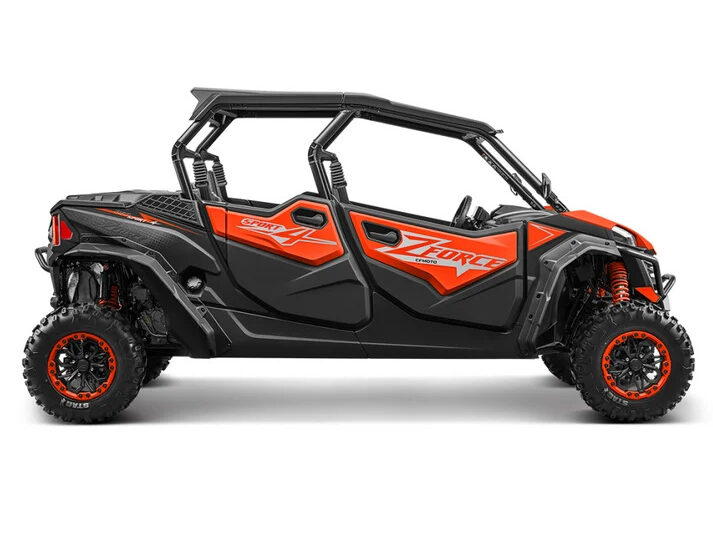

Choosing between an electric and petrol buggy is one of the most important decisions when buying an off-road recreational vehicle. Both options can provide an exciting driving experience, but they differ in power, maintenance, operating costs, noise, charging or fueling requirements, and overall usability.
For some buyers, an electric buggy may be the more convenient choice because it is quiet and relatively simple to operate. For others, a petrol-powered buggy may be more appealing because of its traditional engine experience and performance.
There is no single answer to the question of which type is better.
The best buggy depends on who will use it, where it will be used, how often it will be driven, and how much maintenance the owner is prepared to handle.
This guide compares electric and petrol buggies across the factors that matter most, helping UAE buyers understand which option may better suit their needs.
What Is an Electric Buggy?
An electric buggy uses a rechargeable battery and electric motor instead of a petrol engine.
Electric vehicles have become increasingly popular for recreational use because they are relatively quiet and do not require petrol.
Depending on the model, an electric buggy may include:
- Rechargeable battery
- Electric motor
- Accelerator pedal
- Steering wheel
- Braking system
- Safety harness or seat belts
- LED lighting
- Forward and reverse functions
- Different speed settings
The specifications vary considerably between vehicles.
A smaller electric buggy may be designed for recreational use by younger riders, while larger electric vehicles can be designed for multiple passengers and more demanding outdoor applications.
What Is a Petrol Buggy?
A petrol buggy uses an internal-combustion engine and fuel to generate power.
Petrol-powered buggies are often associated with larger recreational vehicles and traditional off-road driving.
Depending on the model, a petrol buggy car may feature:
- Petrol engine
- Manual or automatic transmission
- Fuel tank
- Mechanical braking system
- Suspension
- Larger off-road tires
- Safety harnesses or seat belts
- Multiple seats
Petrol models can provide a more traditional engine-driven experience, but they also require more mechanical maintenance than electric vehicles.
Electric vs Petrol Buggy: Quick Comparison
Before looking at each factor in detail, here is a simple comparison:
| Feature | Electric Buggy | Petrol Buggy |
| Power source | Rechargeable battery | Petrol engine |
| Noise | Generally quieter | Generally louder |
| Refueling | Battery charging | Petrol |
| Engine maintenance | Lower | Higher |
| Charging/fueling | Requires charging time | Quick refueling |
| Emissions during operation | No tailpipe emissions | Produces exhaust emissions |
| Driving experience | Smooth and quiet | Traditional engine experience |
| Long-term maintenance | Generally simpler | Usually more involved |
| Best for | Convenient recreational use | Traditional off-road experience |
The exact performance and ownership costs depend on the specific model.
Electric Buggy: Advantages and Disadvantages
Electric buggies offer several practical benefits, but they also have limitations.
Advantages of Electric Buggies
1. Quiet Operation
One of the most noticeable advantages of an electric buggy is its low operating noise compared with a petrol engine.
This can make electric models more convenient for suitable residential or private recreational environments where noise may be a concern.
However, local rules and property restrictions should always be checked before operating any recreational vehicle.
2. Simple Operation
Electric motors can provide straightforward starting and acceleration.
There is no need to manage petrol, oil, or many of the mechanical systems associated with a combustion engine.
This can make electric vehicles appealing to buyers who prefer a simpler ownership experience.
3. Less Engine Maintenance
Electric vehicles do not have many of the components found in petrol engines.
There is no engine oil to change and no combustion engine requiring regular servicing.
However, electric buggies still require maintenance.
Owners should inspect:
- Tires
- Brakes
- Steering
- Suspension
- Battery
- Electrical connections
- Charging equipment
4. No Petrol Storage
Electric buggies do not require fuel to be stored at home.
For some families, this makes ownership more convenient.
5. Quiet Outdoor Experience
The quieter operation can make electric buggies appealing for recreational environments where reducing noise is important.
Disadvantages of Electric Buggies
1. Charging Time
Unlike petrol vehicles, electric buggies cannot simply be refueled in a few minutes.
The battery needs to be charged.
Charging time depends on the battery and charger.
2. Battery Range
An electric buggy can only operate for a certain amount of time before the battery needs to be recharged.
Actual operating time can depend on:
- Battery capacity
- Rider/passenger weight
- Terrain
- Driving style
- Speed
- Temperature
- Vehicle condition
3. Battery Replacement
Batteries have a limited service life.
Eventually, replacement may be required.
Before purchasing, ask about battery availability, replacement costs, and expected battery lifespan.
Petrol Buggy: Advantages and Disadvantages
Petrol buggies offer a different ownership and driving experience.
Advantages of Petrol Buggies
1. Traditional Engine Performance
Many buyers prefer the feel and sound of a petrol engine.
Depending on the model, petrol vehicles can provide strong performance for suitable recreational environments.
2. Quick Refueling
One practical advantage is that a petrol vehicle can generally be refueled much faster than an electric battery can be recharged.
This can be useful for longer recreational sessions.
3. Long Operating Sessions
A petrol buggy can continue operating as long as sufficient fuel is available and the vehicle remains within its intended operating conditions.
This can be convenient for extended outdoor activities.
4. Larger Engine Options
Petrol vehicles are commonly available with different engine sizes.
A buyer can choose an engine according to the intended application and manufacturer’s recommendations.
Disadvantages of Petrol Buggies
1. More Maintenance
Petrol engines contain many mechanical components that require regular servicing.
Maintenance can include:
- Oil changes
- Spark-plug checks
- Air-filter maintenance
- Fuel-system inspection
- Engine servicing
- Brake maintenance
- Tire maintenance
2. More Noise
Petrol engines generally produce more noise than electric motors.
This may be an important consideration when choosing a vehicle for private residential use.
3. Fuel Costs
Petrol-powered vehicles require ongoing fuel purchases.
The total fuel cost depends on engine size, usage frequency, fuel consumption, and driving conditions.
4. Exhaust Emissions
Petrol engines produce exhaust emissions during operation.
This is another factor buyers should consider when deciding where and how they intend to use the vehicle.
Which Is Better for Children?
If you are choosing a buggy for a child, the first consideration should be suitability, not whether the vehicle is electric or petrol.
Parents should check:
- Recommended age
- Maximum weight
- Vehicle size
- Speed
- Control accessibility
- Safety features
- Manufacturer recommendations
A lower-powered electric model may be appropriate for some younger riders, while petrol buggies may be designed for older or more experienced users.
However, there is no universal age at which a child becomes suitable for one power type.
Always follow the manufacturer’s specific requirements.
Which Is Easier to Maintain?
In general, electric buggies require less engine-related maintenance because they do not have combustion engines.
There is no:
- Engine oil
- Spark plug
- Exhaust system
- Traditional fuel system
- Combustion engine
However, electric does not mean maintenance-free.
The battery, tires, brakes, suspension, steering, and electrical components still require attention.
Petrol buggies generally require more regular mechanical maintenance because of their engines and fuel systems.
For buyers who want simpler routine maintenance, electric may have an advantage.
Which Is Cheaper to Run?
Operating costs depend on several variables.
For an electric buggy, costs may include:
- Electricity for charging
- Battery replacement
- Tires
- Brakes
- General maintenance
For a petrol buggy, costs can include:
- Petrol
- Oil
- Engine servicing
- Filters
- Spark plugs
- Tires
- Brakes
- General maintenance
The actual cost depends heavily on how often the buggy is used and the specific vehicle.
Therefore, buyers should not assume that electric is always cheaper or petrol is always more expensive.
Instead, compare the complete ownership requirements of the specific models you are considering.
Which Is Better for Long Outdoor Trips?
For longer recreational sessions, petrol can have a practical advantage because refueling can be quicker than recharging a battery.
However, this does not automatically make petrol the better option.
An electric vehicle may be perfectly suitable if:
- Charging is available
- The planned trip is within its operating range
- The vehicle is used in an appropriate environment
- The owner prefers quieter operation
The intended distance and availability of charging should therefore be considered before making a decision.
What About Performance?
Performance is often one of the first things buyers consider.
However, “electric vs petrol” is not enough information to determine which vehicle is more powerful.
Performance depends on:
- Motor power
- Engine size
- Battery capacity
- Vehicle weight
- Transmission
- Tire design
- Terrain
- Passenger load
- Manufacturer specifications
A high-performance electric buggy can outperform a smaller petrol model, while a large petrol buggy can outperform a small electric model.
Always compare the specifications of the actual vehicles rather than the power source alone.
Which Is Better for Off-Road Driving?
Off-road capability depends on the entire vehicle rather than simply its power source.
Important factors include:
- Ground clearance
- Tire design
- Suspension
- Weight
- Torque
- Drive system
- Vehicle dimensions
- Cooling system
- Manufacturer’s intended terrain
Some electric buggies may be designed for outdoor recreational use, while some petrol vehicles may be designed for more demanding applications.
Therefore, check the manufacturer’s terrain recommendations before riding.
Do not assume that every vehicle marketed as a buggy is suitable for sand dunes, steep slopes, rocks, or difficult terrain.
What About a 4 Seater Dune Buggy?
A 4 seater dune buggy is designed to accommodate multiple occupants and can be attractive to families or groups.
When comparing four-seat electric and petrol models, buyers should pay particular attention to:
- Total weight capacity
- Motor or engine performance
- Battery capacity
- Fuel capacity
- Vehicle dimensions
- Seating configuration
- Suspension
- Tires
- Safety restraints
A four-seat vehicle will naturally carry more weight than a single-seat vehicle, which can affect performance and operating range.
For electric models, additional passenger weight can affect battery range.
For petrol models, additional weight can affect fuel consumption and performance.
Always stay within the manufacturer’s specified weight limits.
How Battery Life Affects an Electric Buggy
Battery performance is an important consideration when purchasing an electric buggy.
The advertised operating time may not represent every real-world situation.
Battery performance can be influenced by:
- Rider weight
- Number of passengers
- Terrain
- Speed
- Temperature
- Tire pressure
- Driving style
- Battery age
For this reason, buyers should consider their actual use rather than relying only on the maximum advertised range.
Ask how long the vehicle is expected to operate under conditions similar to your intended use.
Petrol Buggy Maintenance Checklist
If you choose a petrol buggy, regular maintenance should be part of ownership.
A basic maintenance checklist may include:
- Check engine oil
- Inspect air filter
- Check spark plugs
- Inspect fuel system
- Check brakes
- Inspect tires
- Check suspension
- Inspect steering
- Clean the vehicle
- Follow the manufacturer’s service schedule
The exact requirements depend on the model.
Always use the manufacturer’s maintenance instructions.
Electric Buggy Maintenance Checklist
Electric buggies require a different maintenance routine.
Check:
- Battery condition
- Charging system
- Charger
- Electrical connections
- Tires
- Brakes
- Steering
- Suspension
- Safety restraints
- General vehicle condition
Battery care is particularly important.
Follow the manufacturer’s charging instructions and use the recommended charger.
Electric vs Petrol: Which One Should You Choose?
A simple decision framework can help.
Choose Electric If:
You prioritize:
- Quiet operation
- Simple charging
- Lower engine-related maintenance
- No petrol storage
- Convenient recreational use
Consider Petrol If:
You prioritize:
- Traditional engine operation
- Quick refueling
- Extended recreational sessions
- Strong performance from suitable models
- A conventional off-road driving experience
Neither option is automatically superior.
The correct choice depends on your circumstances.
Questions to Ask Before Buying
Before choosing between electric and petrol buggies, ask:
Who will drive it?
Determine the rider’s age, size, and experience.
Where will it be used?
Identify the intended environment.
How long will each session last?
This can help determine whether charging or refueling is more practical.
How much maintenance am I comfortable with?
Electric models generally simplify engine maintenance, while petrol models require more mechanical servicing.
How many passengers will it carry?
This is particularly important if you are considering a four-seat vehicle.
Where will I store it?
Check the vehicle’s dimensions.
How will I transport it?
Larger vehicles may require additional transportation planning.
What support is available?
Check warranty, spare parts, and after-sales service.
Common Mistakes When Choosing Between Electric and Petrol
Choosing Based Only on Power
Power should be matched to the intended rider and environment.
Ignoring Battery Capacity
If you choose electric, battery capacity is a critical specification.
Ignoring Maintenance
Petrol vehicles require ongoing engine maintenance.
Forgetting Charging Requirements
Electric vehicles need access to appropriate charging facilities.
Assuming Every Buggy Can Go Anywhere
Always check the manufacturer’s intended terrain.
Ignoring Weight Capacity
Passenger weight can affect performance and safety.
Choosing Based Only on Price
Consider long-term ownership costs as well as the initial purchase price.
Final Thoughts
The choice between an electric and petrol buggy depends on your priorities.
Electric models can be attractive for buyers who value quiet operation, convenient charging, and simpler engine-related maintenance. Petrol models can appeal to buyers who want traditional engine performance, quick refueling, and longer continuous recreational sessions.
Neither option is universally better.
When comparing buggies for sale, focus on the complete vehicle rather than simply its power source. Consider the rider, terrain, seating capacity, performance, safety features, maintenance, operating costs, storage, and transportation.
If you’re considering a 4 seater dune buggy, pay particular attention to passenger capacity, total weight, dimensions, and the effect of additional passengers on vehicle performance.
Ultimately, the right choice is the vehicle that fits your intended use and can be operated responsibly in an appropriate environment.
For families looking for more children’s products, recreational vehicles, play equipment, and toys near me, Toyzinn offers a variety of products for different ages and interests.
Frequently Asked Questions
1. Is an electric or petrol buggy better?
Neither is universally better. Electric buggies can offer quieter operation and simpler engine-related maintenance, while petrol buggies can provide traditional engine performance and quick refueling.
2. Are electric buggies suitable for children?
Some electric buggies are designed for younger riders, but suitability depends on the specific model. Always check the manufacturer’s age, weight, speed, and usage recommendations.
3. Are petrol buggies more powerful than electric buggies?
Not necessarily. Performance depends on the specific motor, engine, battery, vehicle weight, transmission, tires, and other specifications.
4. Which buggy is cheaper to maintain?
Electric buggies generally have fewer engine-related maintenance requirements because they do not have combustion engines. However, batteries, tires, brakes, and other components still require maintenance.
5. How long does an electric buggy battery last?
Battery operating time varies by model and usage. Rider weight, terrain, speed, passenger load, temperature, and battery condition can all affect operating time.
6. Can a petrol buggy be used for long outdoor trips?
A suitable petrol buggy can be convenient for longer recreational sessions because it can be refueled relatively quickly. However, the vehicle must be used within its manufacturer’s specifications and in an appropriate environment.
7. Is a 4 seater dune buggy available in electric and petrol versions?
Four-seat recreational vehicles can be available with different power systems depending on the manufacturer and model. Buyers should compare the exact specifications of each vehicle.