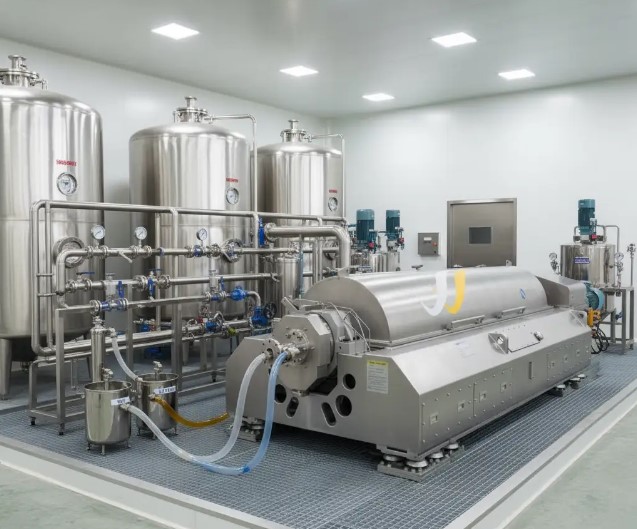

Buying industrial separation equipment requires more than comparing prices and basic specifications. A decanter centrifuge must match your material characteristics, processing goals, operating conditions, and production requirements. Asking the right questions before purchasing can help you avoid performance problems and unnecessary costs.
Before choosing a decanter centrifuge manufacturer, discuss your application in detail and request clear information about equipment design, capacity, materials, maintenance, and after-sales support. A reliable manufacturer should provide practical answers rather than simply promoting a standard machine.
Why the Right Manufacturer Matters
A decanter centrifuge handles continuous solid-liquid separation through high-speed centrifugal force. However, different industries process materials with very different characteristics. Sludge, wastewater, chemicals, food products, and mineral suspensions may require different configurations.
The manufacturer’s experience can therefore affect equipment selection and long-term performance. A supplier that understands your application can recommend suitable bowl dimensions, differential speed, feed arrangements, and wear-resistant components.
Questions About Your Processing Application
Start the discussion by explaining exactly what you need the centrifuge to process. Avoid making a purchase based only on general capacity figures.
Ask the manufacturer these questions:
- What types of materials can this centrifuge process?
- What feed concentration does the machine require?
- What solid particle size can it separate?
- What separation efficiency can I expect?
- What throughput can the machine achieve with my specific material?
- Can you test my material before final equipment selection?
Material testing can provide valuable information when the feed contains unusual solids, abrasive particles, high moisture content, or variable concentrations.
Questions About Capacity and Performance
Nominal capacity does not always represent actual production performance. The achievable throughput depends on feed characteristics, solids concentration, particle size, viscosity, and other operating conditions.
Ask for performance information based on conditions similar to your application. You should also understand whether the stated capacity refers to laboratory testing, standard operating conditions, or a specific customer application.
Request information about:
- Maximum recommended feed capacity
- Typical operating capacity
- Solid recovery expectations
- Liquid clarification performance
- Moisture content of discharged solids
- Power consumption during normal operation
These details make it easier to compare equipment from different suppliers on a realistic basis.
What Should You Ask About Machine Design?
The internal design of a decanter centrifuge directly affects durability and separation performance. Ask the manufacturer to explain the main components and their functions.
Important areas include the rotating bowl, screw conveyor, feed system, discharge outlets, bearings, gearbox, and drive system.
You should also ask how the manufacturer protects components that come into contact with abrasive or corrosive materials. The right material selection can have a major effect on equipment service life.
Ask About Differential Speed Control
Differential speed refers to the speed difference between the rotating bowl and conveyor. This parameter affects solids conveyance, retention time, and the characteristics of discharged solids.
Ask whether the machine provides adjustable differential speed and how operators control it. A flexible system can make it easier to optimize performance when feed conditions change.
The manufacturer should also explain the available control system and whether operators can monitor important operating parameters during production.
What Materials Are Used in Construction?
Equipment exposed to chemicals, saltwater, abrasive solids, or other demanding materials needs suitable construction materials.
Ask the manufacturer:
- Which materials does the bowl use?
- What material does the conveyor use?
- Are wear-resistant surfaces available?
- Which components contact the processed material?
- Can the machine handle corrosive feed?
- What protective treatments or coatings are available?
For abrasive applications, wear protection can help reduce maintenance requirements. For corrosive applications, corrosion-resistant materials may provide better long-term reliability.
How Easy Is the Centrifuge to Maintain?
Maintenance requirements should form part of the purchasing decision. A machine that delivers good separation but requires difficult or frequent servicing may create higher operating costs.
Ask which components require routine inspection and how often technicians should replace wear parts. Find out whether maintenance can take place on-site and what tools technicians need.
It also helps to ask about access to bearings, conveyor components, seals, and other serviceable parts. Straightforward maintenance can reduce downtime and simplify daily operations.
What Spare Parts Are Available?
Before purchasing, ask about spare parts availability and delivery times. Essential replacement components should remain accessible throughout the expected service life of the machine.
A useful spare-parts discussion should cover:
- Recommended spare-parts inventory
- Common wear components
- Emergency replacement availability
- Typical delivery times
- Part identification methods
- Long-term parts support
Shenzhou Machinery can also be evaluated based on how clearly it explains equipment support and replacement-part requirements during the purchasing process.
What About Installation and Commissioning?
A centrifuge may require proper installation and commissioning to achieve its intended performance. Ask whether the manufacturer provides installation guidance, technical supervision, or commissioning support.
Clarify what your facility needs before delivery. This may include electrical requirements, foundation specifications, piping connections, feed arrangements, discharge systems, and space for maintenance access.
Understanding these requirements early can help prevent delays after the machine arrives.
Does the Manufacturer Provide Operator Training?
Operators need to understand how to start, stop, adjust, monitor, and maintain the equipment correctly.
Ask whether training comes with the purchase and whether the manufacturer provides operating manuals or technical documentation. You can also ask whether remote technical assistance remains available after commissioning.
Good training can help operators recognize unusual vibration, changes in feed conditions, excessive wear, or other issues before they develop into major problems.
What Safety Features Does the Machine Include?
High-speed rotating equipment requires appropriate safety measures. Ask the manufacturer about guarding, emergency stops, vibration monitoring, overload protection, and other safety-related features.
You should also confirm which safety standards and certifications apply to the equipment and whether documentation will accompany the machine.
The manufacturer’s safety approach should align with your facility’s operational requirements and applicable regulations.
How Does the Manufacturer Handle Customization?
Standard equipment may not always provide the best solution for specialized applications. Ask whether the manufacturer can customize important components or operating parameters.
Possible customization areas may include feed systems, discharge arrangements, control systems, materials of construction, wear protection, and electrical configurations.
Discuss customization before receiving a quotation. This helps ensure that the proposed price reflects the actual equipment required for your application.
What Should You Ask About Warranty and Support?
Warranty terms provide useful information about the manufacturer’s confidence in its equipment. However, do not focus only on the warranty duration.
Ask what the warranty covers, which components have separate warranty conditions, and what responsibilities the buyer has. Also ask how technical problems are handled when the equipment operates at your facility.
A strong after-sales support system can make a significant difference when the machine requires troubleshooting or replacement parts.
How Should You Compare Quotations?
Price should not serve as the only deciding factor. Two centrifuges with similar specifications may have very different construction quality, control systems, wear protection, and support packages.
When comparing quotations, review:
- Equipment configuration
- Processing capacity
- Construction materials
- Motor and drive specifications
- Control system
- Wear protection
- Spare parts
- Installation support
- Warranty coverage
- After-sales service
This approach gives you a clearer picture of the total value rather than focusing only on the initial purchase price.
Final Questions Before You Place the Order
Before signing a purchase agreement, make sure the manufacturer has answered all application and technical questions clearly. Ask for the final equipment specifications in writing so you can compare them with your actual requirements.
You should also confirm delivery schedules, installation responsibilities, payment terms, documentation, training, warranty conditions, and spare-parts support.
Choosing equipment from an experienced supplier such as Shenzhou Machinery becomes easier when you evaluate the complete package instead of focusing on one specification. A detailed discussion before purchasing can help you select a decanter centrifuge that supports reliable separation, manageable maintenance, and consistent industrial operation.