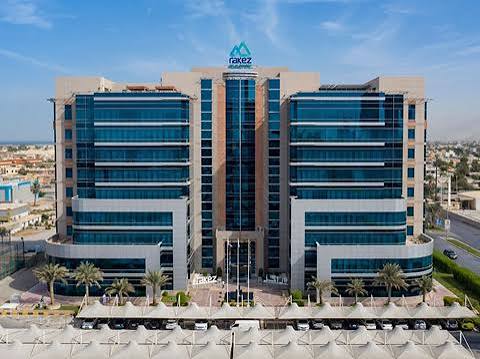

Closing an offshore company in the RAK International Corporate Centre (RAK ICC) requires more than simply stopping business activities. The company needs to complete the appropriate closure process, settle outstanding obligations, deal with its assets and liabilities, and complete the required filings through its registered agent.
A reliable business management consultant in Dubai can help company owners understand the correct closure route and coordinate the documentation required for the process. RAK ICC provides specific regulatory procedures for liquidation and voluntary strike-off, so choosing the right option is important.
Understand the RAK ICC Company Closure Process
Before starting the closure, the shareholders should review the company’s current position. This includes checking whether the company has outstanding debts, contracts, assets, bank accounts, pending claims, or regulatory obligations.
A business advisor consultant in Dubai can help review these matters and determine whether the company should proceed through liquidation or another available route.
RAK ICC companies are required to maintain a registered agent, and the registered agent plays an important role in communicating with the Registrar and completing regulatory filings.
The first step should therefore be to contact the company’s registered agent and request a review of its status.
Decide Between Liquidation and Voluntary Strike-Off
RAK ICC’s current fee schedule separately lists liquidation and voluntary strike-off, meaning they are different closure routes. The 2026 fee schedule lists AED 1,500 for each, with an additional fee for the certificate of dissolution.
Liquidation
Liquidation is generally appropriate when the company’s affairs need to be formally wound up. It involves dealing with the company’s assets and liabilities before the company is dissolved.
For a solvent company, the voluntary liquidation process can involve:
- Shareholder approval to wind up the company
- A declaration of solvency
- Preparation and approval of a liquidation plan
- Appointment of a voluntary liquidator
- Settlement of liabilities
- Distribution or disposal of remaining assets
- Completion of the required filings
- Issuance of the relevant dissolution documentation
Voluntary Strike-Off
Voluntary strike-off is another available route, but it should not simply be treated as an easier substitute for proper liquidation.
RAK ICC’s FAQs explain that being struck off does not automatically remove the liabilities or responsibilities of members, directors and the registered agent because the company continues to exist until it is liquidated.
For this reason, owners should understand the legal effect of each option before making a decision.
Check the Company’s Financial and Legal Position
Before beginning RAK ICC liquidation, conduct a complete review of the company’s financial and legal position.
Check for:
- Outstanding debts
- Unpaid invoices
- Bank balances
- Financing
- Registered charges
- Ongoing contracts
- Employee or supplier obligations
- Tax responsibilities
- Pending legal disputes
- Company-owned assets
- Intellectual property or other rights
If the company has unresolved liabilities, closing it without addressing them can create unnecessary complications.
A solvent company may follow the voluntary liquidation route, while a company that cannot meet its debts may require a different procedure. The applicable RAK ICC regulations should be reviewed based on the company’s circumstances.
Prepare the Required Documents
The exact documents can depend on the company’s circumstances and the closure route selected. However, owners should generally be prepared to provide corporate and financial information to the registered agent and relevant professionals.
Documents may include:
- Certificate of incorporation
- Memorandum and Articles of Association
- Current company information
- Shareholder resolution
- Directors’ documents
- Declaration of solvency, where applicable
- Liquidation plan, where applicable
- Financial statements or accounts
- Details of company assets and liabilities
- Bank account information
- Tax-related documents
- Details of the appointed liquidator
The registered agent can confirm the current document requirements before the application is submitted.
Appoint a Liquidator Where Required
For a formal voluntary liquidation, the appointment of an eligible liquidator is an important part of the process.
The liquidator is responsible for handling the company’s affairs during the winding-up process. This can include reviewing assets and liabilities, settling outstanding obligations, dealing with creditors, and completing the necessary closure procedures.
The RAK ICC regulations provide a specific framework for voluntary liquidation, while the current fee schedule also includes a separate fee for registering a notice of appointment of a voluntary liquidator.
Choosing an appropriately qualified professional can help reduce delays and documentation problems.
Settle Outstanding Obligations
Before the company can be properly closed, outstanding obligations should be identified and addressed.
This can include:
- Paying creditors
- Closing supplier accounts
- Settling professional fees
- Resolving outstanding contracts
- Recovering amounts owed to the company
- Dealing with company assets
- Closing relevant bank accounts
- Completing applicable tax requirements
Do not assume that an inactive company has no obligations. Even if the business has stopped trading, there may still be regulatory, financial, or contractual matters that need to be resolved.
Complete the RAK ICC Closure Filings
Once the company’s affairs have been dealt with, the registered agent and liquidator can proceed with the relevant filings.
RAK ICC publishes its regulations and policies through its official guidance resources, including the Business Companies Regulations and Registered Agent Regulations.
The current 2026 fee schedule includes charges for liquidation, voluntary strike-off, appointment of a voluntary liquidator, and a certificate of dissolution.
Owners should therefore request a current fee breakdown before starting the process because professional fees and other third-party costs may be separate from RAK ICC government or registry charges.
Obtain Proof of Dissolution
After the required closure process has been completed, the company should obtain the relevant evidence confirming its dissolution or closure.
Keep copies of:
- Certificate of dissolution
- Liquidator’s final documents
- Shareholder resolutions
- Financial records
- Tax records
- Bank closure confirmation
- RAK ICC correspondence
- Final company filings
These records can be useful if the former shareholders, directors, banks, tax authorities, or other parties need evidence that the company was formally closed.
Helpful Tips for Closing a RAK ICC Offshore Company
Start before the renewal deadline
Do not wait until the last moment to begin the closure process. Starting early gives the registered agent enough time to review the company’s position and identify missing documents.
Check for hidden liabilities
Review bank accounts, contracts, supplier balances, and potential claims before selecting a closure route.
Keep the registered agent involved
The registered agent is an important part of the RAK ICC compliance structure. RAK ICC regulations require companies to have a registered agent.
Keep corporate records
Do not dispose of company records immediately after dissolution. Maintain important financial, corporate, tax, and legal documents for future reference.
Confirm current fees
RAK ICC’s fee schedule can change. For example, the 2026 schedule lists AED 1,500 for liquidation and AED 1,500 for voluntary strike-off, plus AED 850 for a certificate of dissolution.
Professional service fees, liquidator fees, accounting fees, and other costs may be additional.
Do not confuse inactivity with closure
Stopping operations does not necessarily mean that the company has been legally dissolved. A proper offshore company closure should follow the applicable RAK ICC procedure.
Common Mistakes to Avoid
One common mistake is simply abandoning the company after business activities stop. This can leave outstanding obligations unresolved.
Other mistakes include:
- Choosing the wrong closure route
- Ignoring unpaid liabilities
- Failing to communicate with the registered agent
- Assuming strike-off automatically removes all liabilities
- Not checking tax obligations
- Failing to close relevant bank accounts
- Losing important corporate records
- Using outdated forms or fee information
- Starting the process without checking the company’s regulatory status
A structured approach makes the company dissolution process easier to manage and reduces the possibility of unnecessary delays.
FAQs
Can an offshore company in RAK ICC be closed voluntarily?
Yes. RAK ICC provides procedures for voluntary liquidation and voluntary strike-off. The appropriate route depends on the company’s circumstances and should be confirmed with the registered agent.
How much does RAK ICC liquidation cost?
The RAK ICC 2026 fee schedule lists AED 1,500 for liquidation and AED 850 for a certificate of dissolution. A separate AED 275 fee is listed for registering a notice of appointment of a voluntary liquidator. These are registry fees and may not include professional costs.
Is voluntary strike-off the same as liquidation?
No. They are separate procedures. RAK ICC’s fee schedule identifies liquidation and voluntary strike-off separately. The RAK ICC FAQ also notes that members, directors and registered agents can retain liabilities and responsibilities after strike-off because the company continues to exist until it is liquidated.
Does the company need a registered agent during the closure process?
RAK ICC companies are required to have a registered agent. The registered agent can assist with the regulatory filings and communication required during the closure process.
What happens to company assets during liquidation?
Company assets need to be identified and dealt with as part of the winding-up process. Outstanding liabilities should generally be addressed before any remaining assets are distributed according to the applicable legal and corporate requirements.
Should the company bank account be closed before dissolution?
The bank account should be reviewed as part of the closure process. The timing of bank account closure can depend on the company’s financial position and the requirements of the bank, registered agent, liquidator, and closure procedure.
How long does it take to close a RAK ICC company?
The timeframe can vary depending on the company’s financial position, outstanding liabilities, documentation, tax matters, bank accounts, and the selected closure route. A registered agent or liquidator can provide a more accurate estimate after reviewing the company.
Final Words
Closing an offshore company in the RAK International Corporate Centre should be treated as a formal legal and administrative process rather than simply stopping business operations. The company owner should first review its financial and legal position, select the appropriate route, prepare the required documents, settle outstanding obligations, and complete the necessary RAK ICC filings.
Working with the registered agent and qualified professionals from the beginning can make the RAK ICC company closure process more organized. It also helps ensure that important matters such as liabilities, tax obligations, corporate records, and dissolution documents are not overlooked.
The most important step is to confirm the current requirements directly with the registered agent and RAK ICC before submitting any closure application, as regulations, forms, and fees can change over time.