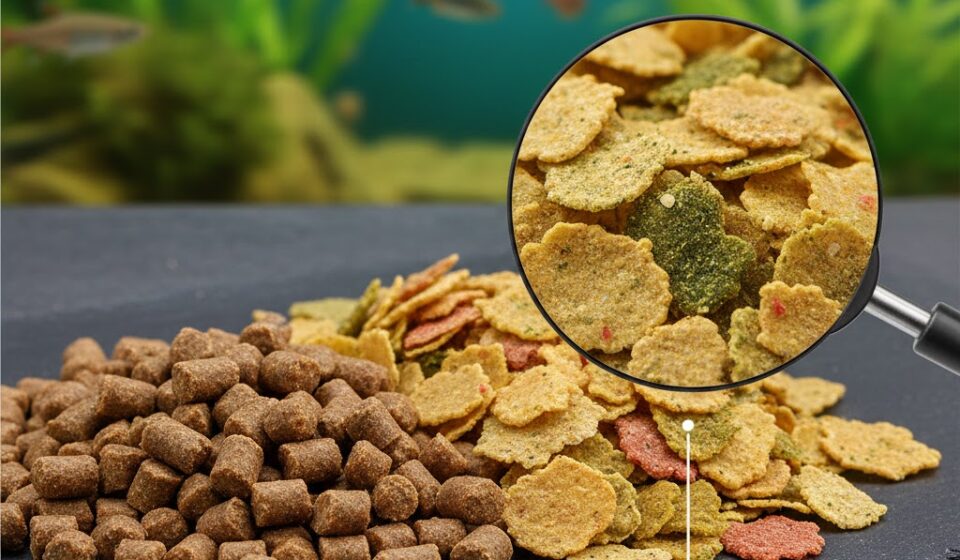

When it comes to keeping freshwater fish healthy, their diet plays a crucial role. The right kind of freshwater fish food can help your aquatic pets thrive, providing them with essential nutrients that ensure longevity and vibrant colors. But how do you know if your fish food is nutritious enough for your fish? In this article, we’ll discuss the key factors to look for in your fish food and provide insights into upcoming trends, with a helpful table to guide you in selecting the best fish food for your aquarium.
The Importance of Proper Nutrition for Freshwater Fish
Freshwater fish, like all animals, require a balanced diet to maintain proper health. Their food should provide essential nutrients, including protein, fat, vitamins, minerals, and fiber, which are necessary for growth, energy, and immunity. Choosing the right freshwater fish food ensures your fish receive these nutrients in the correct proportions.
Without proper nutrition, fish can become more susceptible to diseases, exhibit poor growth, or show signs of stress. Additionally, imbalanced diets can lead to poor water quality, as uneaten food decomposes, resulting in a buildup of harmful toxins in your aquarium.
What to Look for in Freshwater Fish Food
To ensure that your fish are getting a nutritious diet, there are several key factors you should consider when choosing fish food freshwater:
1. Protein Content
Protein is one of the most critical components of fish food. It supports growth, tissue repair, and energy production. Different species of freshwater fish have different protein needs, but in general, fish food should contain at least 30-40% protein.
- High-Quality Protein Sources: Look for fish meal, krill, or shrimp as primary protein sources. These are highly digestible and provide the essential amino acids your fish needs.
- Vegetarian Fish: Some freshwater fish, like herbivores and omnivores, require plant-based proteins from algae, spirulina, or other aquatic plants.
2. Fatty Acids
Fats are essential for energy and promoting healthy skin and fins in fish. Omega-3 and omega-6 fatty acids, found in fish food, support the immune system and contribute to vibrant colors in fish.
- Source of Omega-3 Fatty Acids: Look for food that includes fish oils or algae as sources of omega-3 fatty acids. These are particularly beneficial for tropical freshwater fish like bettas and goldfish.
3. Vitamins and Minerals
Just like humans, fish need essential vitamins and minerals to maintain their health. Vitamins like A, C, D, and E support various bodily functions such as immune health and metabolic processes.
- Vitamin-Enriched Diets: Ensure your freshwater fish food is fortified with essential vitamins. Foods that include algae-based ingredients often provide natural sources of vitamins.
4. Fiber Content
Fiber aids in digestion and helps prevent constipation in fish. However, excessive fiber can cause bloating and discomfort.
- Balanced Fiber: Look for fish food that contains a reasonable amount of fiber from natural plant sources like spinach, peas, or fiber-rich grains.
5. No Fillers or Artificial Colors
Avoid foods that list fillers like corn, wheat, or soy as primary ingredients. These ingredients often provide little nutritional value to your fish. Additionally, some fish food contains artificial colors to enhance the appearance of your fish, but these can be harmful in large amounts.
- Natural Ingredients: Choose fish food that contains whole fish, shrimp, or vegetable matter as the primary ingredients rather than artificial colors or preservatives.
Upcoming Trends in Freshwater Fish Food
As more fish keepers recognize the impact of diet on their aquatic pets’ health, the fish food market is evolving. Here are some of the latest trends that are shaping the future of fish nutrition:
1. Sustainable and Eco-Friendly Ingredients
More manufacturers are turning to eco-friendly and sustainable sources for their fish food. Ingredients like algae, insects, and even plant-based proteins are becoming popular alternatives to traditional fish-based meals, reducing the environmental impact of overfishing.
2. Freeze-Dried and Fresh Food Options
Fresh and freeze-dried foods are gaining popularity among fish owners. These foods are nutrient-dense and minimally processed, helping preserve nutrient integrity. Freeze-dried foods are especially convenient and help retain the natural flavors that fish love.
3. Customized Diets for Specific Species
In response to growing demand for tailored care, many companies now offer specialized food blends designed to meet the needs of specific fish species. Whether you’re caring for discus, bettas, or goldfish, there are custom blends available that cater to each species’ unique dietary requirements.
4. Prebiotic and Probiotic Additives
As with human diets, prebiotics and probiotics are becoming more popular in fish feed. These additives help to support healthy gut bacteria, which in turn improve digestion, nutrient absorption, and immune function.
5. Plant-Based and Vegan Fish Food
For eco-conscious consumers or those keeping herbivorous fish, plant-based and vegan fish food options are increasingly available. These alternatives are rich in nutritious algae, seaweed, and plant matter that fish require, without relying on animal-based proteins.
Table: Comparing Common Freshwater Fish Food Ingredients
| Ingredient | Function in Fish Diet | Best For |
| Fish Meal | High protein source, promotes growth | Carnivorous and omnivorous fish |
| Spirulina | Plant-based protein, rich in vitamins | Herbivores, omnivores |
| Krill | High in omega-3 fatty acids, promotes vibrant colors | All types of freshwater fish |
| Algae | Provides fiber, omega-3, and vitamins | Herbivorous fish |
| Shrimp | Rich in protein and carotenoids | Carnivorous and omnivorous fish |
| Wheat Germ | Provides energy and supports digestion | All types of freshwater fish |
How to Ensure Your Freshwater Fish Food Is Nutritious Enough
Here’s a quick checklist to ensure your freshwater fish food provides the necessary nutrition for your fish:
- Check the Protein Content: Ensure the protein source is high-quality, such as fish meal or shrimp.
- Look for Omega Fatty Acids: Omega-3 is crucial for vibrant colors and a healthy immune system.
- Avoid Fillers: Skip fish food with excessive fillers like corn and soy.
- Consider the Species: Different fish species have different dietary needs—choose a food formulated for your fish.
- Monitor Water Quality: Excess uneaten food can affect water quality, so feed your fish in moderation.
5 FAQs About Freshwater Fish Food
1. How often should I feed my freshwater fish?
Feed your fish 2-3 times a day, but be sure not to overfeed. A good rule is to offer as much food as your fish can eat in 2-3 minutes.
2. Can I feed my fish only flake food?
While flake food is convenient, it’s best to offer a variety of foods, including pellets, freeze-dried foods, and occasional live foods to provide a well-rounded diet.
3. What’s the best food for goldfish?
Goldfish are omnivores and require a balanced diet that includes both plant-based foods like spirulina and protein sources like shrimp or fish meal.
4. Are plant-based foods suitable for all fish?
No, some fish are obligate carnivores and require animal-based protein. Make sure to research the specific dietary needs of your fish species.
5. How can I tell if my fish are getting the right nutrients?
Healthy fish will have vibrant colors, good growth, and active behavior. If your fish show signs of lethargy, poor growth, or fading colors, it could be a sign of nutritional deficiencies.
Conclusion
Feeding your freshwater fish the right type of freshwater fish food is vital to their health and well-being. Always look for high-quality, protein-rich foods with the right balance of nutrients, and avoid fillers and artificial additives. By staying informed about the latest trends in fish food and choosing the best products from trusted sources, you can ensure your fish live long, healthy lives.
For high-quality freshwater fish food, visit trusted Pet Supplies Online to find the best options tailored to your aquatic pets’ needs.