
Have you ever walked through a workplace and noticed cables scattered across floors, tangled behind equipment, or dangling precariously from ceilings? Does your facility struggle with identifying which cable goes where during maintenance? And have you considered how much these seemingly minor issues could be costing your business in terms of safety risks and downtime?
Cable management might not be the most glamorous topic, but it’s absolutely critical for any modern workplace. Whether you’re running a manufacturing plant in Melbourne, a data centre in Sydney, or a commercial office in Brisbane, how you manage your cables directly impacts both safety and operational efficiency. Poor cable management creates hazards that can lead to injuries, equipment damage, and even fires. On the flip side, a well-organised cable system keeps your workplace running smoothly and your team safe.
In this article, we’ll explore how cable tray routing systems transform workplace environments. You’ll discover the different types of cable trays available, understand the hidden dangers of neglecting cable management, and learn practical tips for choosing and installing the right system for your facility. By the end, you’ll have a clear picture of why investing in proper cable organisation isn’t just smart—it’s essential.
What Is a Cable Tray Routing System?
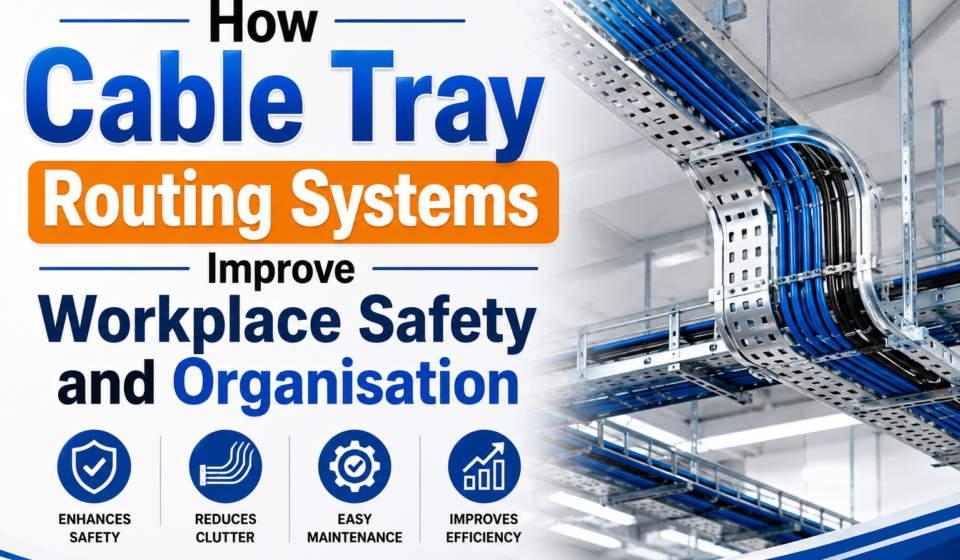
A cable tray routing system is essentially a structural support system designed to hold and organise electrical cables and wiring. Think of it as a highway for your cables—a dedicated pathway that keeps everything neat, accessible, and protected. These systems are commonly found in industrial facilities, commercial buildings, and data centres across Australia.
Types of Cable Tray Systems Explained
There are several types of cable tray systems, each suited to different applications. Ladder trays feature two side rails connected by rungs, making them ideal for heavy cables that need plenty of airflow. Perforated trays have holes throughout the base, offering good ventilation while providing more support for smaller cables. Solid-bottom trays offer maximum protection in environments where cables need shielding from dust or debris.
Wire mesh trays are lightweight and flexible, perfect for data centres and office environments. Channel trays work well for smaller cable runs, while trough trays provide enclosed protection for sensitive applications.
Common Materials Used in Cable Tray Construction
Cable trays come in various materials, each with distinct advantages. Steel trays offer excellent strength and durability, making them popular in industrial settings. Aluminium trays are lighter and resistant to corrosion, ideal for outdoor installations or humid environments. Fibreglass trays provide superior corrosion resistance and electrical insulation, perfect for chemical plants or areas with harsh conditions.
The Hidden Dangers of Poor Cable Management in the Workplace
Neglecting cable management creates more problems than you might expect. What starts as a few loose cables can quickly escalate into serious safety hazards.
Trip Hazards and Physical Injuries
Cables strewn across walkways are accidents waiting to happen. Workers rushing to meet deadlines or carrying heavy equipment can easily trip over poorly managed cables. These falls often result in sprains, fractures, or worse. In busy Australian workplaces, where productivity is paramount, these injuries lead to lost work days and compensation claims.
Fire Risks from Overheated or Damaged Cables
When cables are bunched together without proper ventilation, they can overheat. This heat buildup damages insulation over time, creating potential fire hazards. Plus, cables lying on floors are more likely to be stepped on, rolled over by equipment, or damaged in other ways—all of which increase fire risk.
Electrical Faults and Equipment Damage
Damaged cables don’t just pose fire risks. They can cause electrical faults that damage expensive equipment, disrupt operations, and create electrocution hazards. The cost of replacing equipment and fixing electrical issues far exceeds the investment in proper cable management.
How Do Cable Tray Systems Improve Workplace Safety?
Cable tray systems address these dangers head-on, creating safer environments for everyone.
Reducing Trip and Fall Incidents
By routing cables overhead or along walls, cable trays eliminate floor-level hazards. Workers can move freely without watching their every step. This is particularly important in warehouses, factories, and other environments where people move quickly and carry heavy loads.
Preventing Cable Damage and Electrical Hazards
Cable trays protect cables from physical damage. They keep wiring organised and separated, preventing the tangling and crushing that leads to insulation damage. With proper airflow, cables stay cool and function safely for longer periods.
Supporting Compliance with Australian Safety Standards
Australian workplaces must comply with strict safety regulations, including AS/NZS 3000 (Wiring Rules) and various Work Health and Safety requirements. Properly installed cable tray systems help facilities meet these standards, avoiding penalties and demonstrating commitment to worker safety.
What Are the Benefits of Using Cable Trays in Industrial Settings?
Beyond safety, cable trays offer practical advantages that improve daily operations.
Enhanced Organisation and Accessibility
Cable trays make it easy to identify and access specific cables. When everything has its place, technicians spend less time searching and more time solving problems. This organisation becomes invaluable during expansions when new cables need adding.
Simplified Maintenance and Troubleshooting
Open cable tray designs allow for quick visual inspections. Technicians can spot potential issues before they become major problems. When repairs are needed, accessing cables is straightforward—no more pulling apart tangled masses of wiring.
Improved Airflow and Heat Dissipation
Many cable tray designs promote natural airflow around cables. This ventilation prevents overheating, extending cable lifespan and reducing the risk of heat-related failures. In Australian climates, where temperatures can soar, this benefit is particularly valuable.
Are Cable Trays Better Than Conduits for Workplace Safety?
This question comes up frequently, and the answer depends on your specific situation.
Key Differences Between Cable Trays and Conduits
Conduits are enclosed tubes that completely surround cables, offering maximum protection but limited capacity. Cable trays are open or semi-open structures that accommodate more cables and allow easier access. Conduits work well for small cable runs requiring protection, while trays excel at managing large numbers of cables efficiently.
When to Choose Cable Trays Over Conduits?
Cable trays are typically the better choice when you need flexibility for future expansions, have multiple cables requiring organisation, or want easier maintenance access. Conduits might be preferable in outdoor environments with extreme conditions or where cables need protection from mechanical damage.
How to Choose the Right Cable Tray System for Your Facility
Selecting the appropriate system requires careful consideration of your workplace’s unique needs.
Assessing Your Workplace Requirements
Start by evaluating your current and future cable management needs. Consider how many cables you need to support, where they need to run, and what environmental factors exist. A data centre will have different requirements than a manufacturing plant.
Factors to Consider: Load Capacity, Environment, and Budget
Load capacity is crucial—ensure your tray can support all cables with room to spare. Environmental factors like humidity, temperature extremes, and chemical exposure influence material selection. While budget matters, remember that quality systems pay for themselves through reduced maintenance and improved safety.
Best Practices for Cable Tray Installation and Maintenance
Proper installation ensures your cable tray system performs as intended. Always follow manufacturer guidelines and relevant Australian standards. Regular inspections help identify issues early—look for signs of corrosion, damage, or overloading. Keep trays clean and ensure cables remain properly supported and separated.
Real-World Applications: Cable Tray Systems in Australian Workplaces
From mining operations in Western Australia to pharmaceutical facilities in Victoria, cable tray systems prove their worth daily. Data centres rely on wire mesh trays for optimal airflow. Manufacturing plants use ladder trays for heavy power cables. Commercial buildings incorporate various tray types throughout their infrastructure.
Conclusion: Investing in Safety and Organisation
Cable tray routing systems offer a practical, effective approach to workplace safety and organisation. They eliminate trip hazards, protect cables from damage, and help facilities comply with Australian safety standards. Beyond safety, they simplify maintenance, improve accessibility, and support future growth.
The investment in quality cable management pays dividends in reduced injuries, lower maintenance costs, and improved operational efficiency. Whether you’re upgrading an existing facility or planning a new build, cable trays deserve serious consideration.
Take a look around your workplace today. If you see cables creating hazards or organisation challenges, it might be time to explore cable tray solutions. Your team’s safety—and your operational efficiency—are worth the investment. Reach out to a qualified electrical contractor to discuss which system best suits your needs.