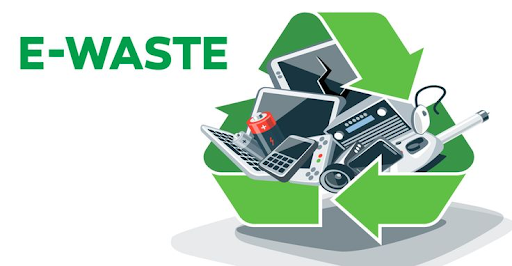

The rapid growth of technology has transformed how businesses and individuals use electronic devices. However, frequent upgrades and shorter product lifecycles have also contributed to increasing volumes of electronic waste. Proper disposal of outdated computers, servers, networking equipment, mobile devices, and other electronic products has become essential for protecting the environment, conserving valuable resources, and supporting sustainable development. Responsible recycling practices help reduce landfill waste while allowing valuable materials to be recovered and reintroduced into the manufacturing cycle.
As awareness of environmental responsibility continues to grow, organisations and households are increasingly recognising the importance of ewaste recycling in Dubai as part of sustainable waste management. Professional recycling services ensure electronic waste is handled safely, sensitive data is protected, and reusable materials are recovered through environmentally responsible processes that support the transition towards a circular economy.
Building Sustainable Value Through Electronic Waste Recovery
Responsible electronic waste management supports environmental protection, resource conservation, and sustainable business practices. Proper recycling transforms discarded technology into valuable resources while reducing environmental impact.
1. Reducing Environmental Impact Through Responsible Recycling
Electronic waste contains materials that require specialised handling to prevent environmental contamination. Improper disposal may release hazardous substances into soil and water while increasing landfill pressure. Responsible recycling ensures electronic devices are dismantled, sorted, and processed according to recognised environmental standards. Recovering reusable materials such as metals, plastics, and glass reduces the need for new raw material extraction while lowering the environmental footprint associated with manufacturing. Sustainable recycling practices help preserve natural resources and support long-term environmental protection across industries and communities.
2. Supporting Resource Conservation
Many electronic products contain valuable materials including copper, aluminium, steel, gold, silver, and rare earth elements. Recycling allows these resources to be recovered and reused instead of being discarded. Material recovery reduces dependence on mining activities while supporting more efficient resource utilisation. Conserving valuable materials through responsible recycling contributes to a circular economy where products remain within productive use for longer periods. This approach strengthens sustainability initiatives while helping industries reduce waste and improve resource efficiency.
3. Encouraging Responsible Business Practices
Environmental responsibility has become an important consideration for organisations across every industry. Businesses increasingly incorporate sustainable waste management into their environmental, social, and governance (ESG) initiatives. Responsible electronic waste recycling demonstrates a commitment to environmental stewardship while supporting corporate sustainability objectives. Proper disposal also helps organisations comply with environmental regulations and internal sustainability policies. By adopting structured recycling programmes, businesses contribute positively to broader environmental conservation efforts.
4. Protecting Sensitive Business Information
Electronic devices often store confidential company information even after they are no longer in use. Computers, laptops, hard drives, servers, and storage devices may retain sensitive business data that requires secure destruction before disposal. Professional recycling providers combine environmentally responsible processing with secure data destruction practices that reduce the risk of unauthorised access. Data security remains an important component of responsible electronic waste management, particularly for organisations handling confidential information.
Circular Economy Creating Long-Term Environmental Benefits
A circular economy promotes resource efficiency by extending the lifecycle of electronic products, recovering valuable materials, and reducing waste generation across industries. Instead of disposing of outdated devices in landfills, responsible recycling enables metals, plastics, glass, and other reusable components to be recovered and returned to the manufacturing cycle. This approach reduces dependence on newly extracted raw materials, lowers the environmental impact of production, and supports more sustainable industrial practices. At the same time, diverting electronic waste from landfills helps minimise pollution and conserves valuable natural resources. Increasing public awareness about responsible disposal further encourages individuals and businesses to participate in recycling initiatives, while collaboration between governments, organisations, recycling providers, and consumers strengthens long-term sustainability efforts and supports the transition towards a more resource-efficient circular economy.
Digital Recycling Practices Supporting Sustainable Industries
Modern recycling combines advanced processing technologies, environmental responsibility, and operational efficiency to recover valuable resources while reducing electronic waste.
1. Technology Improves Recycling Efficiency
Advancements in recycling technology have significantly improved the processing of electronic waste. Automated sorting systems, specialised dismantling techniques, and advanced material recovery equipment allow recyclers to separate valuable materials with greater accuracy. These technologies improve recovery rates while reducing manual processing and operational waste. Greater efficiency supports sustainable recycling operations while maximising the value recovered from discarded electronic equipment.
2. Supporting ewaste recycling in Dubai
Growing digital transformation has increased the volume of electronic equipment reaching the end of its operational life. As organisations upgrade technology infrastructure, ewaste recycling in Dubai has become increasingly important for managing obsolete equipment responsibly. Professional recycling services help businesses dispose of electronic assets safely while recovering reusable materials and supporting environmental sustainability. Responsible recycling also assists organisations in meeting environmental objectives and promoting more sustainable operational practices.
3. Secure Collection and Logistics
Efficient recycling begins with organised collection and transportation systems. Professional recyclers offer structured collection processes that minimise disruption while ensuring electronic equipment reaches certified recycling facilities safely. Proper logistics reduce handling risks and maintain accountability throughout the recycling process. Organised collection also improves convenience for businesses seeking responsible disposal solutions.
4. Compliance with Environmental Standards
Electronic waste recycling often involves compliance with environmental regulations governing collection, transportation, processing, and disposal. Certified recycling providers follow recognised procedures that support responsible handling of electronic materials while reducing environmental risks. Regulatory compliance strengthens confidence among organisations seeking environmentally responsible waste management solutions while supporting national sustainability goals.
Conclusion
Responsible electronic waste management plays an essential role in protecting the environment, conserving valuable resources, and supporting sustainable economic development. Organisations and individuals adopting structured recycling practices help reduce landfill waste, recover reusable materials, improve resource efficiency, and contribute to long-term environmental sustainability. Choosing an experienced IT scrap recycling company further strengthens these efforts by ensuring electronic assets are managed through secure, environmentally responsible recycling processes.
For organisations seeking dependable electronic recycling services, E-Waste IT Recycling provides professional solutions for secure IT asset disposal, data destruction, electronic waste recycling, and responsible material recovery. With a commitment to environmental compliance, sustainable recycling practices, and secure handling processes, they support businesses in managing obsolete technology responsibly while contributing to a cleaner environment and a stronger circular economy.