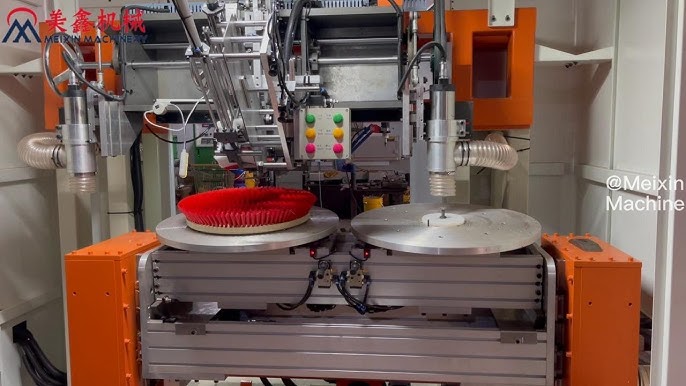

Industrial disc brushes are used across many sectors for cleaning, polishing, deburring, surface preparation, material handling, and finishing. Their versatility comes from the ability to produce different brush sizes, filament materials, densities, and stiffness levels for specific industrial requirements.
For manufacturers researching Industrial Disc Brush Machines For Sale, understanding where disc brushes are used can help clarify production requirements. The right machine should be selected according to the types of brushes a business plans to manufacture and the applications they will serve.
Metalworking and Fabrication
Metalworking is one of the major areas where industrial disc brushes are used. Brushes can assist with deburring, cleaning, polishing, and preparing metal surfaces for further processing.
Wire and abrasive filaments may be suitable for demanding applications that require stronger surface treatment. The correct brush depends on the metal type, surface condition, and desired finish.
Automotive Manufacturing
The automotive industry uses brushes for various cleaning, finishing, and surface preparation processes. Disc brushes can be used to remove debris, treat components, or support automated production equipment.
Because automotive manufacturing often involves high production volumes, consistent brush dimensions and reliable performance are important considerations.
Woodworking and Furniture Production
Woodworking facilities can use disc brushes for cleaning, sanding, polishing, and surface preparation. Brushes can help remove sawdust and loose particles before components move to finishing or assembly stages.
The choice of filament depends on the type of wood and the desired surface treatment. Softer configurations may be appropriate for delicate surfaces, while more durable options can be used for heavier processing.
Glass and Ceramic Manufacturing
Glass and ceramic manufacturers may use disc brushes for cleaning and surface preparation. Brushes can help remove particles and residues without requiring extensive manual handling.
Since these materials can be sensitive to scratches, brush stiffness and filament material should be selected carefully to provide effective contact without unnecessary surface damage.
Food and Agricultural Processing
Disc brushes can be incorporated into certain food and agricultural processing systems for cleaning, handling, sorting, and conveying products.
Brush selection in these environments requires careful attention to the material being handled, operating conditions, and applicable hygiene requirements. The brush should provide the necessary contact while minimizing product damage.
Packaging Industry
Packaging operations use industrial brushes for handling, guiding, cleaning, and transporting materials. Disc brushes can be integrated into automated systems where controlled contact is needed.
Proper brush dimensions and bristle density can help maintain reliable material movement while reducing the risk of unwanted marks or damage.
Printing Industry
Printing equipment may use disc brushes for cleaning and material handling processes. Brushes can help remove dust and particles or assist with controlled movement of materials through production equipment.
Consistent brush construction is particularly useful in automated printing systems where variations in brush dimensions can affect contact and machine performance.
Recycling and Material Processing
Recycling facilities can benefit from disc brushes for cleaning, sorting, conveying, and separating different materials. These applications can expose brushes to abrasive and demanding conditions.
Durable filament materials and suitable brush configurations can help provide reliable performance during continuous operation.
Electronics and Precision Manufacturing
Some precision manufacturing environments require controlled cleaning of components and surfaces. Disc brushes with fine or softer filaments may be suitable for applications where aggressive contact could damage sensitive parts.
The appropriate brush depends on the component material, contamination, and required cleaning level.
Conveyor and Material Handling
Material handling systems can use disc brushes to guide, position, separate, or clean products as they move through production lines.
Brush diameter, stiffness, and density can be selected according to the weight, shape, and surface characteristics of the materials being handled.
Surface Finishing Applications
Disc brushes are also used for polishing, texturing, and other surface finishing processes. Different filament materials can provide different levels of abrasion and surface contact.
Manufacturers serving specialized finishing applications may require machines capable of producing brushes with precise and repeatable specifications.
Why Machine Selection Matters
Although disc brushes are used across many industries, the manufacturing requirements can differ considerably. Brush diameter, bristle density, filament type, production volume, and automation requirements should all be considered.
A machine with flexible settings may be useful for manufacturers producing brushes for multiple industries. However, equipment should still be matched to the actual production requirements rather than selected solely for its range of features.
Final Thoughts
Industrial disc brush machines can support manufacturers serving industries such as metalworking, automotive, woodworking, food processing, packaging, printing, recycling, electronics, and material handling.
The benefits of disc brush manufacturing equipment depend largely on how well its capabilities match the intended applications. By understanding the needs of their target industries and selecting appropriate brush specifications, manufacturers can develop a more consistent and efficient production process.