
Introduction
In the contemporary landscape of entrepreneurship and innovation, the idea of starting a manufacturing business with limited funds is both intriguing and challenging. The manufacturing sector is often perceived as requiring substantial capital investment, sophisticated technology, and a large workforce. However, with the right approach and creative strategy, it is possible to develop a profitable manufacturing business even with limited resources. This article delves into low-investment manufacturing business ideas, examines the user journey for potential entrepreneurs, and discusses practical methods for turning these ideas into viable enterprises.
Understanding the Manufacturing Landscape
Before diving into specific low investment business ideas, it’s essential first to understand the current manufacturing landscape. The explosion of technology, globalization, and e-commerce has paved the way for various innovations in manufacturing. Entrepreneurs today can leverage advanced tools like automation, online marketplaces, and just-in-time inventory systems to optimize production processes and reduce overhead costs.
However, launching a manufacturing business is not without challenges. You need to consider factors such as market demand, competition, regulatory requirements, and supply chain management. By addressing these concerns and adopting strategic planning, you can carve a niche in the market that capitalizes on existing trends.
Crafting Your User Journey: From Idea to Execution
To effectively build a profitable manufacturing business, understanding the user journey—your journey as a potential entrepreneur—is crucial. It involves several key steps:
1. Research and Ideation
Identify Market Needs
Start with in-depth market research to identify gaps in current manufacturing offerings. What’s missing in your community? Where can you add value with a low-investment approach?
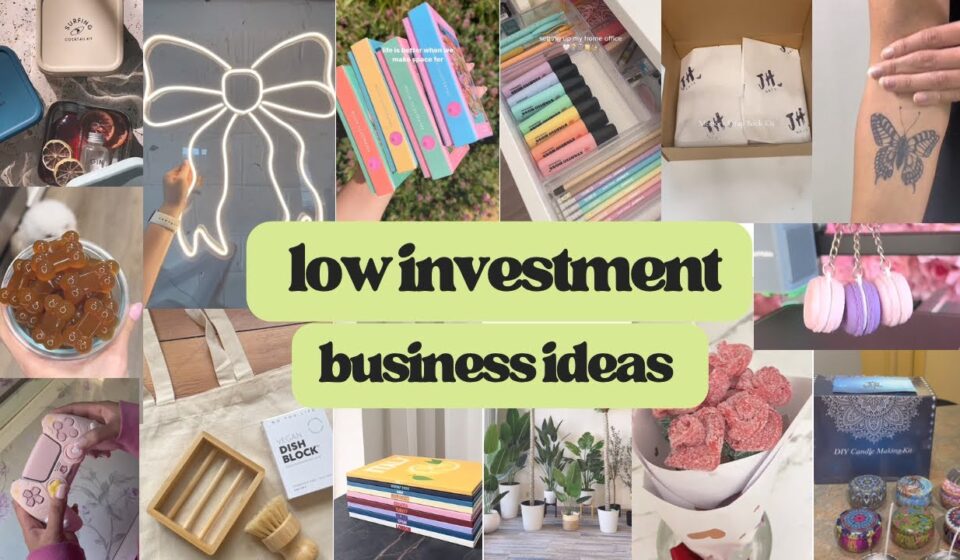
Explore Low-Investment Manufacturing Ideas
There are various avenues you can explore. Common low-investment manufacturing ideas include handmade crafts, biodegradable packaging, custom T-shirts, and 3D printing services. Assess the feasibility and market potential of each idea.
2. Business Planning
Create a Business Plan
A detailed business plan is vital to map out your objectives, strategies, and financial projections. Address the target market, pricing strategy, and distribution channels. Keep in mind that a lean business model is suitable for low-investment ventures.
Validate Your Idea
Before diving headfirst into production, validate your idea by reaching out to potential customers. Conduct surveys, get feedback on prototypes, and gauge interest through social media or crowdfunding platforms.
3. Setting Up Your Business
Choose a Business Structure
Decide on the appropriate legal structure (sole proprietorship, LLC, or corporation) that best fits your plans and goals.
Register and Comply
Ensure you meet any regulatory requirements for running a manufacturing business in your locality, including permits, licenses, and health regulations.
Source Materials and Equipment
Built to save costs, consider alternatives to expensive machinery. Use local suppliers, buy second-hand equipment, or explore leasing options for essential tools.
4. Production and Quality Control
Start Small
Begin with small production runs to minimize risk and test the market without overcommitting resources.
Establish Quality Standards
Even with limited investment, quality should never be compromised. Set strict quality standards and ensure every product meets customer expectations.
5. Marketing and Sales
Embrace Digital Marketing
Invest in a digital presence through a website, social media, and online marketplaces. Share your brand story, production process, and community involvement to engage customers.
Network Locally
Leverage local business networks, attend fairs, and engage with potential customers directly to raise awareness of your brand.
6. Scale Up
Collect Customer Feedback
Continuously seek feedback from customers to iterate and improve your products.
Build on Success
Once your initial business has gained traction, explore additional avenues for growth, such as expanding your product line or entering new markets.
Low-Investment Manufacturing Business Ideas
Here are some specific low-investment manufacturing business ideas that aspiring entrepreneurs can consider:
1. Customized T-Shirt Printing
Leverage print-on-demand services to design and sell custom t-shirts without holding inventory. Use online platforms to reach a broader audience.
2. Handmade Crafts and Artisanal Products
Whether it’s candles, soaps, or pottery, start small at local craft fairs and online marketplaces. Crafting your products can yield high profit margins.
3. 3D Printing Services
If you invest in a 3D printer, you can produce custom parts, prototypes, or unique items on demand. This business has low overhead and can cater to various niches, including education, design, and engineering.
4. Upcycled Furniture
Upcycling involves transforming old furniture into new, marketable products. Use your creativity to breathe new life into discarded items while promoting sustainability.
5. Biodegradable Packaging
With the increasing focus on sustainability, making biodegradable packaging materials can fill a growing market segment.
6. Home-Based Baking or Cooking
If you have a knack for culinary crafts, consider starting a small-scale bakery or ready-to-eat meal prep service. Regulatory compliance may vary, so be sure to check local laws.
7. Skin Care Products
Use natural ingredients to develop small batches of skincare products. The market for organic beauty is on the rise, and startup costs can be kept low.
8. Mobile Phone Accessories
Design and sell custom phone cases or accessories. This business can start small, tapping into trending topics like personalized products.
9. Architectural Models
If you have skills in design and modeling, creating architectural models could serve local architects and real estate developers; initial costs can be minimal with the right materials.
10. Subscription Boxes
Curate unique items from local artisans and create a subscription box service that caters to niche interests (crafts, gourmet foods, etc.).
The Importance of Research and Planning
One of the most vital aspects of launching a low-investment manufacturing business is thorough research and planning. Understanding your target market, competitors, and supply chain dynamics lays a strong foundation for your enterprise. Without sufficient planning, even the most innovative ideas can falter.
Market Research Tools
Utilize tools like Google Trends, surveys, and social media polls to understand consumer behavior.
Competitive Analysis
Identify your competitors and assess their strengths and weaknesses. This can help you define your unique selling proposition (USP).
Financial Projections
Outline your expected revenues and expenses. Keep it flexible and realistic considering your low investment approach.
Embracing Technology in Manufacturing
Technology is reshaping manufacturing in numerous ways that can benefit low-investment startups. Here are several technologies to consider integrating into your manufacturing business plan:
Automation and Robotics
Even small-scale operations can benefit from low-cost automation tools to streamline repetitive tasks.
Online Marketplaces
Platforms like Etsy, Amazon, and eBay can serve as effective sales channels without substantial upfront investment.
Supply Chain Software
Leveraging software solutions for inventory management can improve efficiency and reduce errors.
Social Media
Utilize platforms like Instagram and TikTok for marketing to reach potential customers inexpensively.
Overcoming Challenges
Building a manufacturing business with limited funds does come with its set of challenges, which include:
Cash Flow Management
Limited initial investment often means tighter cash flow. Create a financial buffer and ensure you have access to credit in emergencies.
Scaling Up
The shift from small-scale production to larger operations can require additional investment in tools and personnel. Plan for this transition carefully.
Market Competition
Established players may dominate the market. Continuous innovation and strong brand positioning are essential to competing effectively.
Conclusion
In conclusion, it is entirely feasible to build a profitable manufacturing business with limited investment. By focusing on low-investment business ideas, adopting smart planning, leveraging technology, and continuously engaging with your target market, you can carve out a successful niche in the manufacturing landscape. The user journey—from research and ideation to execution and scaling—is filled with opportunities for growth and success.
Remember, the key to success lies in being adaptable, receptive to feedback, and willing to iterate your approach based on market demands. With creativity, resilience, and a solid plan, you can turn your vision of a low-investment manufacturing business into a reality.