
Utility-scale wind farm engineering is a critical discipline in the renewable energy sector, combining mechanical, electrical, civil, environmental, and structural engineering to develop large wind power projects. These facilities are designed to generate electricity on a scale capable of supplying power to thousands of homes, businesses, and industrial operations. As demand for clean energy continues to grow, effective utility-scale wind farm engineering has become essential for delivering reliable, efficient, and economically viable renewable power.
What Is Utility-Scale Wind Farm Engineering?
Utility-scale wind farm engineering covers the planning, design, construction, and optimization of wind energy facilities. Unlike small residential or commercial wind turbines, utility-scale projects typically involve multiple large turbines installed across a substantial area. Engineers must evaluate everything from wind resources and turbine selection to foundations, electrical infrastructure, grid connections, and long-term maintenance.
The process usually begins with a detailed assessment of the proposed site. Engineers analyze wind speed, wind direction, terrain, soil conditions, environmental constraints, and access requirements. Meteorological data collected over an extended period helps determine whether the location can support efficient energy production.
Site Assessment and Wind Resource Analysis
One of the most important stages of wind farm engineering is wind resource assessment. Engineers use meteorological towers, remote sensing equipment, historical weather information, and advanced modeling software to understand the site’s wind characteristics.
Accurate analysis helps determine turbine locations and expected energy output. Proper turbine spacing is also essential because turbines can create wake effects, where airflow is disrupted behind one turbine and reduces the performance of another. Careful layout optimization can significantly improve overall wind farm efficiency.
Civil and Structural Engineering
Civil engineering plays a major role in developing utility-scale wind farms. Each turbine requires a strong foundation capable of supporting the tower, nacelle, and rotating blades while withstanding extreme wind and weather conditions.
Engineers design foundations based on soil characteristics, turbine loads, groundwater conditions, and local geological conditions. Roads, crane pads, drainage systems, and other site infrastructure must also be designed to accommodate the transportation and installation of large turbine components.
Electrical Engineering and Grid Integration
Electrical engineering is another essential component of utility-scale wind farm development. Turbines generate electricity that must be collected, transformed, and transmitted efficiently to the power grid.
Engineers design collection systems, substations, transformers, underground or overhead cables, protection systems, and monitoring equipment. Grid interconnection studies are performed to ensure that the wind farm can operate safely and reliably alongside other power generation resources.
Modern wind farms may also incorporate advanced control systems and energy storage technologies. These solutions can help manage variations in wind generation and improve grid stability.
Environmental and Regulatory Considerations
Utility-scale wind farm engineering must also address environmental and regulatory requirements. Engineers and environmental specialists evaluate potential impacts on wildlife, vegetation, water resources, nearby communities, and surrounding ecosystems.
Noise, visual impact, bird and bat activity, land use, and construction disturbance may all need to be assessed before a project receives approval. Compliance with local regulations and industry standards is essential for successful project development.
Construction, Commissioning, and Maintenance
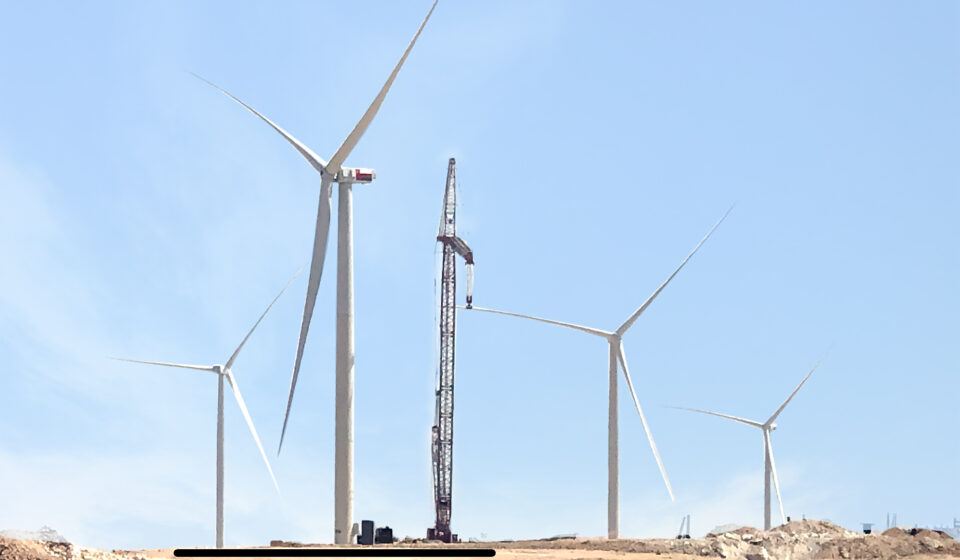
Once engineering designs are complete and approvals are obtained, construction begins. Large cranes are typically used to assemble towers, nacelles, and blades. Engineers supervise installation to ensure that components meet design specifications and safety requirements.
After construction, each turbine and electrical system undergoes testing and commissioning. Ongoing maintenance is equally important. Predictive monitoring, inspections, and scheduled servicing can identify potential problems before they lead to costly failures or extended downtime.
The Future of Wind Farm Engineering
Advancements in turbine technology, digital monitoring, artificial intelligence, and data analytics are transforming utility-scale wind farm engineering. Larger and more efficient turbines are enabling projects to produce greater amounts of electricity while advanced software helps engineers optimize performance and maintenance.
Ultimately, successful utility-scale wind farm engineering requires a multidisciplinary approach. By combining accurate site analysis, robust structural design, efficient electrical systems, environmental responsibility, and advanced technology, engineers can create wind farms that deliver dependable renewable energy for decades.