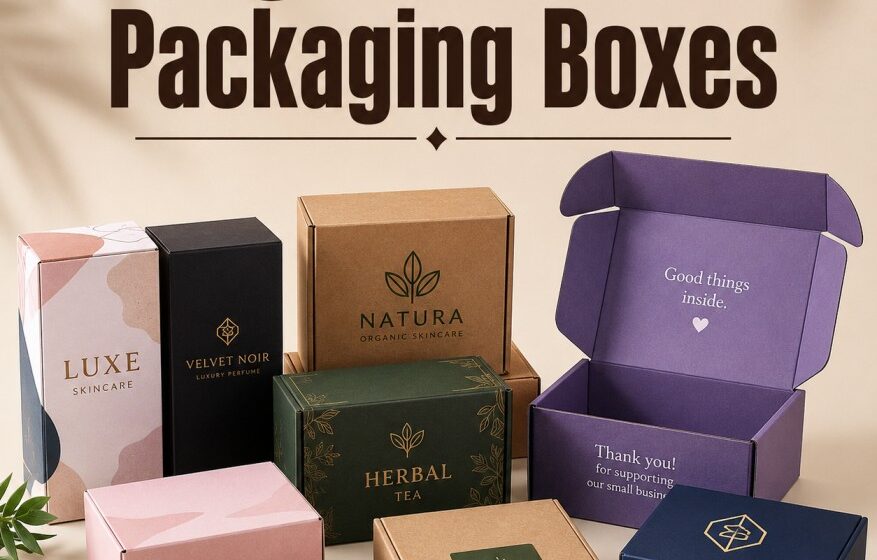

Packaging has become an essential part of every successful business. It is no longer just a way to transport products safely; it also reflects your brand, influences customer perception, and contributes to a positive buying experience. Whether you operate an e-commerce store, a retail business, or a growing startup, selecting the right custom packaging boxes can improve product protection, enhance brand recognition, and optimize shipping efficiency.
However, choosing the ideal packaging involves much more than selecting an attractive box. Businesses must consider product dimensions, packaging materials, structural design, durability, printing options, sustainability, and overall cost. Every decision plays a role in ensuring products reach customers safely while leaving a lasting impression.
This guide explores the key factors businesses should evaluate when selecting custom packaging boxes and how thoughtful packaging choices can support long-term growth.
Why Custom Packaging Boxes Matter
The first physical interaction customers have with a product is often its packaging. Well-designed packaging communicates professionalism, builds trust, and creates excitement before the product is even opened.
Beyond appearance, quality packaging helps businesses:
- Protect products during shipping and storage
- Improve customer satisfaction
- Strengthen brand identity
- Reduce shipping damage and returns
- Enhance shelf presentation
- Support efficient logistics
- Demonstrate environmental responsibility
When packaging is carefully planned, it becomes an investment rather than an operational expense.
Start by Understanding Your Product
Every product has unique packaging requirements. Choosing the right box begins with understanding the characteristics of the item you want to package.
Consider the following:
- Product dimensions
- Weight
- Fragility
- Shape
- Storage conditions
- Shipping distance
- Customer expectations
For example, fragile glass products require stronger protective packaging than clothing or stationery. Luxury products often benefit from premium packaging that reflects their value, while food items may require packaging designed to preserve freshness.
Understanding these requirements helps businesses select packaging that provides the right balance of protection and presentation.
Select the Most Suitable Packaging Material
The material used in custom packaging boxes significantly affects durability, appearance, sustainability, and shipping performance.
Corrugated Packaging
Corrugated boxes are among the most popular options for shipping products. Their layered construction provides excellent cushioning and structural strength.
They are ideal for:
- E-commerce shipments
- Electronics
- Glassware
- Industrial products
- Heavy merchandise
Cardboard Packaging
Cardboard boxes offer a lightweight and cost-effective solution for many retail products.
Common applications include:
- Apparel
- Cosmetics
- Stationery
- Personal care items
- Subscription boxes
Kraft Packaging
Kraft packaging has become increasingly popular because of its natural appearance and recyclable properties.
It works particularly well for:
- Organic products
- Handmade goods
- Eco-conscious brands
- Artisan packaging
Rigid Packaging
Rigid boxes deliver a premium unboxing experience and exceptional durability.
Luxury brands frequently use rigid packaging for:
- Jewelry
- Watches
- Premium electronics
- Gift items
- High-end cosmetics
Selecting the right material ensures products remain protected while supporting the desired brand image.
Choose the Correct Box Size
One of the most common packaging mistakes is selecting boxes that are either too large or too small.
Oversized packaging may:
- Increase shipping costs
- Require additional filler materials
- Waste storage space
- Reduce sustainability
Undersized packaging may:
- Damage products
- Compress contents
- Create an unprofessional appearance
Custom packaging boxes should closely match product dimensions while allowing adequate space for protective inserts when necessary.
Focus on Product Protection
A beautiful package has little value if it fails to protect the product inside.
Businesses should evaluate shipping risks before selecting packaging solutions.
Protective features may include:
- Foam inserts
- Corrugated dividers
- Molded pulp trays
- Paper cushioning
- Bubble protection
- Custom inserts
Packaging should minimize product movement while absorbing shocks during transportation.
Reducing shipping damage also helps lower replacement costs and improve customer satisfaction.
Consider Your Brand Identity
Packaging communicates your brand before customers interact with your product.
Custom packaging boxes can reinforce brand recognition through:
- Logo placement
- Brand colors
- Typography
- Consistent design elements
- Premium finishes
- High-quality printing
Simple, consistent branding often creates a stronger impression than overly complex designs.
Well-designed packaging encourages customers to remember your business and increases the likelihood of repeat purchases.
Select the Right Printing Method
Printing quality influences how customers perceive your brand.
Popular printing methods include:
Digital Printing
Best suited for:
- Small production runs
- Personalized packaging
- Fast turnaround times
Offset Printing
Ideal for:
- Large-volume orders
- High-resolution graphics
- Consistent color reproduction
Flexographic Printing
Often used for:
- Corrugated packaging
- Large-scale production
- Cost-efficient printing
Businesses should choose a printing method that aligns with production volume, budget, and branding requirements.
Think About the Customer Experience
Packaging contributes significantly to the overall customer experience.
Customers appreciate packaging that is:
- Easy to open
- Secure
- Attractive
- Functional
- Protective
- Recyclable
A thoughtful unboxing experience can encourage positive reviews, repeat purchases, and organic social media sharing.
Simple touches such as custom inserts, thank-you cards, or organized product placement can enhance customer satisfaction without dramatically increasing costs.
Prioritize Sustainability
Sustainability has become an important consideration for both businesses and consumers.
Many customers prefer brands that demonstrate responsible packaging practices.
Ways to improve packaging sustainability include:
- Using recyclable materials
- Choosing responsibly sourced paperboard
- Reducing unnecessary packaging
- Selecting water-based inks
- Designing reusable packaging
- Minimizing plastic components
Sustainable custom packaging boxes help reduce environmental impact while supporting evolving consumer expectations.
Consider Shipping and Storage Efficiency
Packaging affects every stage of the supply chain.
Efficient packaging can:
- Reduce shipping costs
- Improve warehouse organization
- Increase pallet efficiency
- Lower transportation expenses
- Reduce dimensional weight charges
Well-designed packaging protects products while maximizing logistics efficiency.
Balance Cost with Quality
Choosing packaging based solely on the lowest price can become expensive over time.
Poor-quality packaging often results in:
- Product damage
- Customer complaints
- Returns
- Replacement shipments
- Negative reviews
Instead, businesses should evaluate total packaging value by considering durability, functionality, appearance, and long-term performance.
Quality packaging often reduces operational costs by preventing avoidable issues.
Request Samples Before Large Orders
Before committing to bulk production, businesses should test packaging samples.
Evaluate:
- Material strength
- Product fit
- Print quality
- Color consistency
- Structural durability
- Shipping performance
Testing samples allows businesses to identify potential improvements before full-scale production begins.
Partner with a Reliable Packaging Manufacturer
An experienced packaging manufacturer can help businesses make informed decisions throughout the packaging process.
Look for a supplier that offers:
- Material expertise
- Design support
- Quality control
- Consistent production standards
- Flexible customization options
- Reliable delivery schedules
Working with an experienced packaging partner helps ensure packaging meets both functional and branding requirements.
Common Mistakes to Avoid
Many businesses unintentionally reduce packaging performance by overlooking important details.
Avoid these common mistakes:
- Choosing the wrong box size
- Ignoring shipping requirements
- Prioritizing cost over durability
- Using inconsistent branding
- Ordering large quantities without testing samples
- Overlooking sustainability
- Selecting unsuitable materials for the product
Careful planning helps businesses avoid unnecessary costs while improving customer satisfaction.
Final Thoughts
Choosing the right custom packaging boxes requires a balance of functionality, branding, durability, and sustainability. The ideal packaging protects products throughout the supply chain while creating a positive impression that reflects your brand’s professionalism.
By evaluating product requirements, selecting appropriate materials, optimizing box dimensions, investing in quality printing, and considering the customer experience, businesses can make packaging decisions that support long-term success.
Rather than viewing packaging as a simple shipping necessity, businesses should recognize it as a valuable asset that protects products, enhances brand recognition, and contributes to stronger customer relationships.
Frequently Asked Questions
What are custom packaging boxes?
Custom packaging boxes are packaging solutions designed specifically for a product’s size, branding, and protection requirements. They can be customized in terms of material, dimensions, printing, and finishing.
Which material is best for custom packaging boxes?
The best material depends on the product. Corrugated boxes are ideal for shipping, cardboard works well for retail packaging, kraft is suitable for eco-friendly brands, and rigid boxes provide a premium presentation.
How do custom packaging boxes improve customer experience?
Quality packaging protects products, creates an attractive presentation, reinforces brand identity, and enhances the overall unboxing experience, leading to higher customer satisfaction.
Are sustainable custom packaging boxes a good choice?
Yes. Recyclable and responsibly sourced packaging materials can reduce environmental impact while meeting the growing demand for eco-conscious packaging solutions.
Should businesses test packaging before ordering in bulk?
Absolutely. Testing packaging samples helps verify material quality, product fit, print accuracy, and shipping performance, reducing the risk of costly production issues.