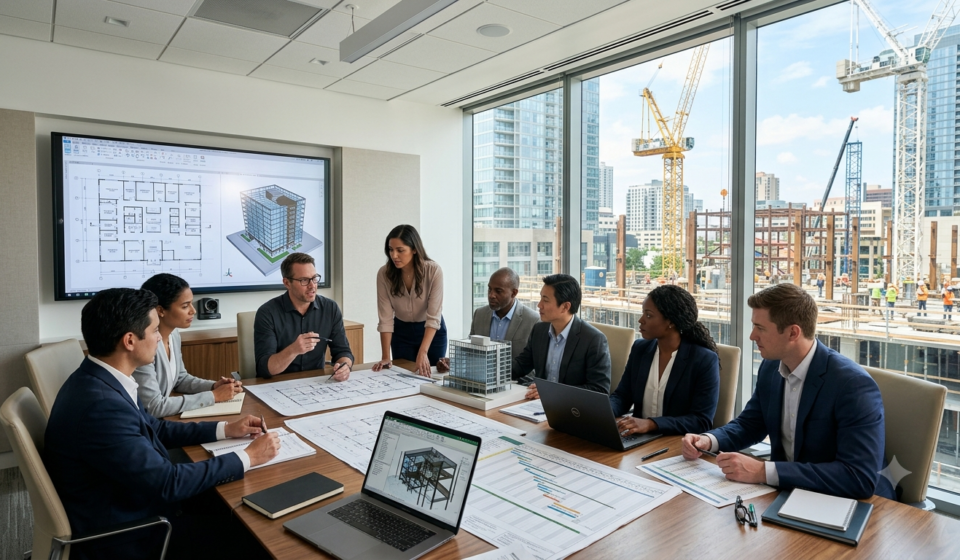

Every successful construction project begins long before the first shovel touches the ground. Whether it’s a new commercial building, an office renovation, or a large-scale Commercial Remodeling project, the planning stage determines how efficiently the entire project will move forward.
Many construction challenges—including budget overruns, scheduling conflicts, design errors, and unexpected delays—can often be traced back to inadequate planning. A comprehensive pre-construction process identifies potential issues early, establishes realistic expectations, and creates a roadmap that guides every phase of the project.
At Keentel Construction, careful planning is considered one of the most valuable investments clients can make. By combining industry expertise with detailed project analysis, the team helps businesses complete projects on time, within budget, and with exceptional quality.
Understanding Pre-Construction Planning
Pre-construction planning is the strategic process that takes place before actual construction begins. It involves evaluating every aspect of the project to ensure that all stakeholders share the same vision and understand the project’s goals.
This phase typically includes:
- Project scope definition
- Site evaluation
- Budget development
- Scheduling
- Design coordination
- Material selection
- Risk assessment
- Permit planning
- Contractor collaboration
Rather than reacting to problems during construction, pre-construction planning focuses on preventing them before they occur.
This proactive approach significantly improves project performance and client satisfaction.
Accurate Budgeting Prevents Costly Surprises
One of the biggest concerns for any property owner is staying within budget. Without careful planning, unexpected expenses can quickly increase project costs.
A detailed pre-construction budget accounts for:
- Material costs
- Labor requirements
- Equipment expenses
- Permit fees
- Utility work
- Site preparation
- Contingency planning
When budgets are created with accurate estimates and thorough research, financial surprises become far less common.
For Commercial Remodeling projects, budget planning is especially important because hidden structural issues, outdated systems, or occupied workspaces can impact costs if they aren’t identified early.
Keentel Construction works closely with clients to develop transparent budgets that support informed decision-making throughout the project.
Better Scheduling Keeps Projects on Track
Construction delays often result from poor coordination rather than unexpected events.
An effective pre-construction schedule outlines:
- Design completion
- Permit approvals
- Material procurement
- Contractor availability
- Inspection timelines
- Construction milestones
Having a detailed timeline helps every contractor understand their responsibilities and ensures that each phase begins at the appropriate time.
Proper scheduling also reduces downtime between trades, allowing electricians, plumbers, painters, and other specialists to work efficiently without interfering with one another.
The result is a smoother workflow and faster project completion.
Improved Communication Creates Stronger Collaboration
Construction projects involve architects, engineers, designers, contractors, subcontractors, suppliers, inspectors, and property owners.
Without clear communication, misunderstandings can lead to expensive revisions and project delays.
Pre-construction planning establishes communication channels that define:
- Project expectations
- Individual responsibilities
- Decision-making processes
- Reporting procedures
- Change order management
When everyone understands the project objectives from the beginning, collaboration becomes significantly more effective.
At Keentel Construction, clients remain informed throughout every phase of planning, helping build trust and confidence before construction even begins.
Risk Management Reduces Unexpected Problems
Every construction project carries risks.
These may include:
- Weather delays
- Material shortages
- Labor availability
- Site limitations
- Utility conflicts
- Safety concerns
- Permit issues
- Design inconsistencies
Identifying these risks early allows the project team to develop contingency plans before work begins.
For example, if certain materials have long lead times, they can be ordered well in advance.
If site conditions present challenges, engineering solutions can be developed during planning rather than during active construction.
This proactive approach minimizes disruptions and helps projects maintain momentum.
Better Design Coordination Improves Quality
Modern construction requires close coordination between multiple design disciplines.
Architectural drawings must align with:
- Structural engineering
- Mechanical systems
- Electrical layouts
- Plumbing designs
- Fire protection
- Accessibility requirements
Even minor design conflicts can result in expensive field modifications if discovered after construction begins.
Pre-construction planning includes detailed design reviews that identify inconsistencies before permits are submitted or construction starts.
This coordination not only reduces costly changes but also improves the overall quality and functionality of the finished building.
For businesses investing in Commercial Remodeling, proper design coordination ensures the renovated space supports operational efficiency while meeting current building codes.
Smarter Material Planning Saves Time and Money
Material availability has become one of the biggest challenges in today’s construction industry.
Without proper planning, delayed deliveries can halt an entire project.
Pre-construction planning allows project managers to:
- Select cost-effective materials
- Compare supplier options
- Order long-lead products early
- Verify product availability
- Schedule deliveries efficiently
This organized procurement process reduces waste, prevents unnecessary storage costs, and helps maintain project schedules.
It also gives clients more flexibility when selecting finishes, fixtures, flooring, lighting, and other design elements.
Why Professional Planning Makes the Difference
Construction success isn’t determined solely by skilled labor or quality materials.
It depends on the ability to organize every detail before construction begins.
Professional planning provides:
- Greater budget control
- Fewer project delays
- Improved safety
- Higher construction quality
- Better communication
- Reduced risk
- Increased efficiency
- More predictable outcomes
These advantages benefit everyone involved, from property owners and business managers to contractors and project teams.
This is why experienced firms like Keentel Construction dedicate significant time and expertise to the planning process before starting any project.
Their commitment to preparation helps clients avoid unnecessary stress while achieving exceptional results.
Final Thoughts
Pre-construction planning is much more than an administrative step—it’s the foundation of every successful construction project. By investing time in budgeting, scheduling, design coordination, communication, and risk management, businesses can dramatically improve project outcomes while reducing delays and unexpected costs.
Whether you’re planning a new facility or undertaking a complex Commercial Remodeling project, a strategic planning process gives you greater confidence from start to finish.
At Keentel Construction, thoughtful preparation, industry expertise, and client-focused collaboration ensure that every project begins with a solid foundation for long-term success. Careful planning today leads to smoother construction, better quality, and results that stand the test of time.