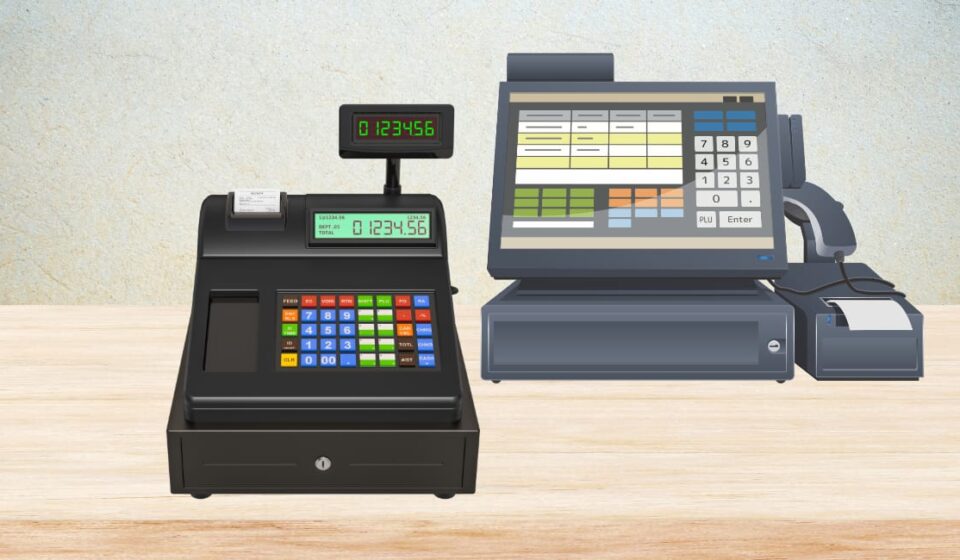

Security is a critical consideration for any retail business that processes customer payments and stores sensitive operational data. As cyber threats and payment fraud continue to evolve, choosing a secure point-of-sale system is more important than ever. A retail POS system cash register should include multiple layers of protection to safeguard customer information, business records, and financial transactions.
Modern POS systems combine advanced software and hardware to provide secure payment processing while supporting efficient daily operations. To better understand the capabilities of a secure Retail POS System Cash Register, exploring its features can help retailers make informed decisions when selecting a system.
User Authentication and Access Control
Not every employee requires access to every function within a POS system. A quality retail POS system cash register should allow businesses to create individual user accounts with role-based permissions.
For example, cashiers may only process sales, while supervisors and managers can access reports, inventory settings, and administrative functions. Restricting access reduces the risk of unauthorized changes and improves accountability.
Secure Payment Processing
Processing payments securely is one of the most important responsibilities of a POS system. A secure retail POS system cash register should support technologies that help protect sensitive payment information during every transaction.
Important payment security features include:
- Encrypted payment data
- Secure card processing
- Contactless payment protection
- Tokenization where supported
- Compliance with recognized payment security standards
These measures help reduce the risk of payment fraud and unauthorized data access.
Data Encryption
Encryption converts sensitive information into a secure format that cannot be easily read by unauthorized individuals. A retail POS system cash register should encrypt customer and business data during both transmission and storage whenever possible.
This additional layer of protection helps keep confidential information secure.
Transaction Logs and Audit Trails
Comprehensive transaction logs allow businesses to monitor activity within the POS system. Every sale, refund, discount, and administrative change should be recorded automatically.
Audit trails make it easier to investigate discrepancies, monitor employee activity, and maintain accurate financial records for internal reviews or external audits.
Employee Activity Monitoring
Many modern POS systems include tools that track employee actions throughout the workday. Managers can review transaction histories, refunds, voided sales, and other activities associated with individual user accounts.
This visibility helps improve accountability and identify unusual behavior before it becomes a larger issue.
Automatic Software Updates
Cybersecurity threats continue to change over time, making regular software updates essential. A reliable retail POS system cash register should receive updates that address security vulnerabilities, improve system performance, and maintain compatibility with evolving payment technologies.
Keeping software current helps businesses remain protected against newly discovered risks.
Reliable Data Backup and Recovery
Unexpected hardware failures, software issues, or power outages can disrupt business operations. A secure POS system should include automatic backup and recovery options to protect critical business information.
Regular backups help preserve:
- Sales records
- Inventory data
- Customer information
- Employee records
- Financial reports
Reliable recovery options reduce downtime and support business continuity.
Physical Hardware Security
Digital security is important, but physical protection should not be overlooked. Businesses should choose systems with hardware features that help safeguard equipment and cash.
Useful physical security features include:
- Lockable cash drawers
- Secure payment terminals
- Tamper-resistant hardware
- Protected cable connections
- Controlled access to system components
These features help reduce theft and unauthorized physical access.
Secure Network Connectivity
Retail POS systems often connect to local networks or cloud-based services. Secure network communication is essential for protecting sensitive information from interception or unauthorized access.
Using secure Wi-Fi connections, firewalls, and encrypted communication protocols helps strengthen overall system security.
Conclusion
A retail POS system cash register should provide strong security features that protect customer data, payment information, and business records without affecting daily operations. Capabilities such as user authentication, encrypted payment processing, audit trails, automatic software updates, secure backups, and physical hardware protection all contribute to a safer retail environment. By prioritizing these security features, businesses can reduce operational risks, maintain customer trust, and support reliable long-term growth.