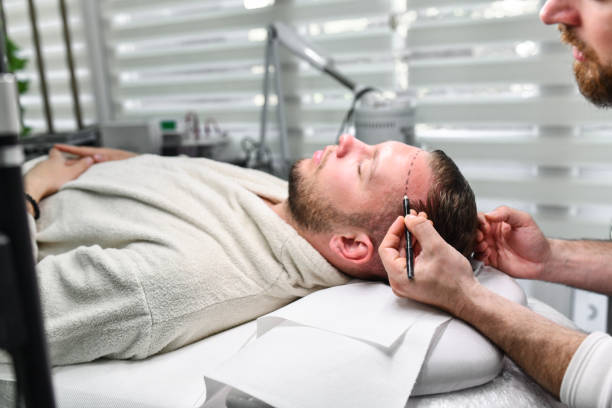

Hair transplantation has become one of the most advanced cosmetic procedures available for restoring hair loss. Years ago, many people hesitated to consider hair restoration because older techniques often produced obvious hair plugs, uneven density, or unnatural hairlines. Modern procedures, however, have transformed the field by focusing on precision, artistry, and personalized treatment planning. Today’s goal is not simply to replace missing hair but to recreate the appearance of natural hair growth that blends seamlessly with the patient’s existing hair.
For individuals considering Hair Transplant, one of the most common concerns is whether others will notice they have undergone the procedure. Fortunately, advances in technology and surgical techniques have made natural-looking results more achievable than ever before. A successful transplant should enhance appearance so subtly that people simply notice healthier, fuller hair without recognizing that a cosmetic procedure has been performed.
Natural Results Begin With Proper Planning
The foundation of every successful hair transplant is careful planning. Before any follicles are transplanted, specialists evaluate the patient’s facial structure, age, hair characteristics, donor area, and pattern of hair loss.
Every face is unique, and the hairline should complement those individual features rather than following a standard design. Factors such as forehead size, facial proportions, and expected future hair loss are all considered when creating a personalized treatment plan. This individualized approach is one of the reasons Hair Transplant in Riyadh can achieve natural-looking results that blend seamlessly with a patient’s existing hair while maintaining long-term facial harmony.
This detailed preparation helps ensure that the restored hair continues to look natural not only immediately after healing but also for many years into the future.
Hairline Design Is the Most Important Factor
One of the biggest differences between older and modern hair transplantation is the way the hairline is designed. An unnatural hairline is often the first sign of a poorly planned transplant.
A natural hairline is rarely perfectly straight. Instead, it contains subtle irregularities that reflect normal hair growth. Individual hairs are carefully positioned to create a soft, gradual transition from the forehead to the scalp.
Specialists also consider the patient’s age when designing the hairline. Creating a hairline that matches a person’s natural facial proportions produces far more realistic results than placing it too low or making it excessively dense.
Using Your Own Hair Creates Authentic Results
One reason hair transplantation appears so natural is that it uses the patient’s own living hair follicles. These follicles are usually taken from the back or sides of the scalp, where hair is genetically more resistant to common forms of hair loss.
Because the transplanted follicles come from the same individual, the color, texture, curl pattern, and thickness remain perfectly matched with the surrounding hair.
Once healing is complete, the transplanted hair grows naturally and can be washed, trimmed, styled, and treated just like the rest of the hair.
Individual Follicle Placement Makes the Difference
Modern hair restoration relies on transplanting individual follicular units rather than large clusters of hair. Each follicular unit naturally contains one to four hairs.
Single-hair grafts are usually placed along the front hairline to create a soft and natural appearance. Follicles containing multiple hairs are positioned slightly farther back to increase density while maintaining realism.
This careful distribution closely imitates the way hair naturally grows across the scalp and prevents the artificial appearance associated with older techniques.
Matching the Natural Direction of Hair Growth
Hair does not grow straight upward across the scalp. Instead, every region has its own unique growth angle and direction. Hair along the temples grows differently from hair at the crown, while the frontal hairline has its own distinctive pattern.
Modern transplantation carefully recreates these natural growth angles during implantation. Each follicle is inserted at an angle that matches the surrounding hair, allowing the transplanted hair to blend smoothly with existing growth.
This level of precision is one of the primary reasons modern results appear virtually undetectable.
Balanced Hair Density Creates Realism
Many patients assume that maximum density automatically produces the best result. In reality, natural hair rarely grows with perfectly uniform thickness across the entire scalp.
Instead of placing follicles as closely together as possible, specialists strategically distribute grafts to recreate natural density. Areas requiring greater coverage receive more follicles, while the frontal hairline remains softer and lighter.
This balanced approach creates fullness without producing an unnatural or overly dense appearance.
Advanced Technology Improves Precision
Modern hair transplantation benefits from significant technological advancements. High-quality magnification, refined extraction instruments, and specialized implantation tools allow hair follicles to be handled with exceptional care.
These innovations reduce unnecessary trauma to the follicles and improve their survival after transplantation. Healthier follicles produce stronger hair growth, contributing to a fuller and more natural outcome.
Technology also supports greater precision during every stage of the procedure, from graft harvesting to final placement.
The Quality of Donor Hair Matters
Natural-looking results depend heavily on the characteristics of the donor hair. Thick, healthy follicles often provide better scalp coverage because each individual hair creates greater visual density.
During the consultation, the donor area is carefully examined to evaluate follicle quality, density, and long-term suitability for transplantation. This assessment helps determine how many grafts can be safely harvested while preserving the appearance of the donor area.
Strong donor hair provides an excellent foundation for achieving realistic and lasting results.
Gradual Hair Growth Looks More Natural
One reason transplanted hair appears authentic is that it grows gradually rather than all at once. After the procedure, the transplanted hairs typically enter a temporary resting phase before new growth begins.
Over the following months, healthy new hairs gradually emerge from the transplanted follicles. Because the improvement develops slowly, family members, friends, and colleagues often notice only that the patient’s hair appears healthier and fuller over time.
This progressive transformation contributes to the natural appearance of the final outcome.
Experience and Artistic Skill Are Essential
Hair transplantation combines medical expertise with artistic judgment. Technical knowledge alone cannot guarantee beautiful results.
An experienced specialist understands how facial proportions, hair characteristics, and future hair loss interact over time. Every follicle is placed with careful consideration of symmetry, balance, and natural growth patterns.
The artistic ability to recreate a believable hairline often distinguishes exceptional results from merely acceptable ones.
Long-Term Planning Preserves Natural Appearance
Hair loss usually continues progressing throughout adulthood. For this reason, successful treatment involves planning not only for the present but also for the future.
An overly aggressive hairline may appear attractive initially but become unnatural if surrounding hair continues thinning. Modern treatment planning anticipates future changes by preserving donor hair and designing hairlines that continue looking appropriate as patients age.
This long-term strategy helps maintain a consistent and natural appearance for many years.
Proper Healing Supports Better Results
Following post-procedure instructions is an important part of achieving natural results. During the healing process, transplanted follicles establish a healthy blood supply and gradually begin producing new hair.
Protecting the scalp, avoiding unnecessary irritation, and following professional guidance all support healthy follicle survival. As healing progresses, the transplanted hair blends increasingly well with the surrounding scalp.
Patience is essential because complete results develop over several months rather than immediately after the procedure.
Realistic Expectations Lead to Greater Satisfaction
Although modern hair transplantation can produce remarkable improvements, it is important to understand that the procedure restores natural appearance rather than creating unrealistic perfection.
The final outcome depends on donor hair quality, scalp condition, hair characteristics, and individual healing. Patients who appreciate natural enhancement instead of expecting excessively dense hair are generally the most satisfied with their results.
A successful transplant should look so natural that it complements the patient’s appearance without attracting attention.
Conclusion
The answer to What Makes Hair Transplant in Riyadh Look Completely Natural? lies in the combination of personalized planning, artistic hairline design, advanced transplantation techniques, precise follicle placement, and careful long-term strategy. Every detail, from matching the direction of hair growth to creating balanced density, contributes to a realistic outcome that blends seamlessly with existing hair. For suitable candidates, Hair Transplant in Riyadh offers the opportunity to restore fuller hair while preserving a completely natural appearance that enhances confidence for years to come.