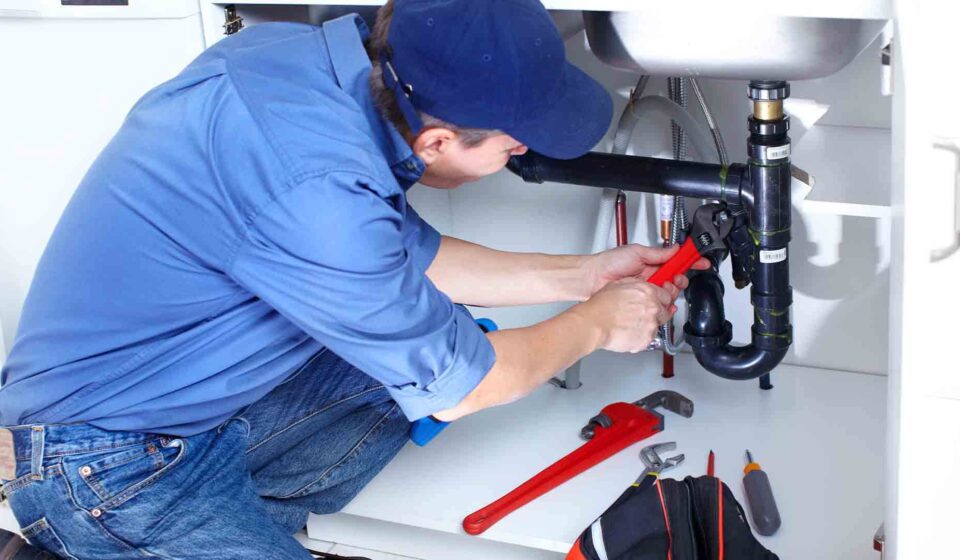

A leaking bathtub faucet may seem like a small inconvenience, but it can quickly become a costly problem if ignored. Even a slow stream of water can waste hundreds of gallons over time, increase your utility bill, and indicate that something is wrong inside your plumbing system. Many homeowners search for bathtub faucet turned off but water still running after noticing that the handle is fully closed but water continues to drip or flow.
In 2026, homeowners are placing greater emphasis on preventive home maintenance to avoid expensive plumbing repairs and water damage. Addressing faucet problems early not only conserves water but also helps extend the life of your plumbing fixtures. Understanding the common causes of a continuously running bathtub faucet allows you to make informed decisions before a minor issue turns into a major repair.
Why a Bathtub Faucet Continues Running
A bathtub faucet is designed to create a watertight seal when the handle is turned off. Over time, however, the internal components experience wear from daily use, hard water minerals, and fluctuating water pressure.
If you’ve searched for bathtub faucet turned off but water still running, the problem is often related to a component inside the faucet rather than the visible handle itself. Even though the faucet appears to be closed, damaged internal parts may prevent the water supply from shutting off completely.
Ignoring the issue can lead to unnecessary water waste and additional strain on the plumbing system.
Common Causes of a Running Bathtub Faucet
Several plumbing issues can prevent a bathtub faucet from shutting off properly.
Worn Faucet Cartridge
Many modern faucets use a cartridge that controls water flow. After years of use, the cartridge may wear out or become damaged, preventing a complete seal.
Damaged Rubber Washers
Older faucet designs often rely on rubber washers that compress when the faucet is closed. As these washers age, they become brittle or cracked, allowing water to leak continuously.
Faulty Valve Seat
The valve seat connects the faucet to the water supply. Mineral buildup or corrosion can create an uneven sealing surface, causing water to continue flowing.
Hard Water Mineral Deposits
Homes with hard water often experience calcium and mineral buildup inside plumbing fixtures. These deposits interfere with moving parts and reduce the faucet’s ability to close tightly.
Excessive Water Pressure
High household water pressure can accelerate wear on faucet components and contribute to leaks that become more noticeable over time.
Why You Shouldn’t Ignore the Leak
Many homeowners assume that a slow leak is harmless, but even a small amount of running water can create larger problems.
A continuously leaking faucet may lead to:
- Higher monthly water bills
- Wasted water resources
- Increased wear on plumbing components
- Mold and mildew around the tub
- Water stains on surrounding surfaces
- Damage to nearby walls or flooring
Prompt repairs are usually much less expensive than correcting water damage after months of continuous leaking.
How Professional Plumbing Inspections Help
When a faucet continues leaking despite simple repairs, a professional plumbing inspection can identify the true source of the problem.
Inspectors typically evaluate:
- Faucet operation
- Water pressure
- Shut-off valves
- Supply connections
- Plumbing fixtures
- Visible pipe conditions
- Signs of hidden leaks
A complete evaluation ensures that the leak is not being caused by a larger plumbing issue elsewhere in the system.
Modern Plumbing Technology in 2026
Today’s plumbing professionals use advanced diagnostic tools that make leak detection faster and more accurate.
Modern inspection equipment may include:
- Digital leak detection devices
- Moisture meters
- Thermal imaging cameras
- Water pressure testing equipment
- Electronic moisture mapping
These technologies help locate hidden moisture and plumbing problems without unnecessary demolition, allowing homeowners to make repairs more efficiently.
Preventive Maintenance Saves Money
Regular plumbing maintenance remains one of the best ways to reduce unexpected repair costs.
Homeowners can help prevent faucet problems by:
- Replacing worn faucet parts before failure.
- Cleaning mineral deposits from fixtures.
- Monitoring household water pressure.
- Repairing small leaks immediately.
- Scheduling periodic plumbing inspections.
- Installing quality replacement components when needed.
Simple preventive maintenance often extends the life of plumbing fixtures while improving water efficiency throughout the home.
Why Homebuyers Should Pay Attention
Plumbing systems are among the most carefully evaluated components during home inspections. A leaking bathtub faucet may appear minor, but it can indicate aging plumbing fixtures or deferred maintenance.
Buyers should test every faucet, shower, and plumbing fixture during the inspection process. Identifying small issues before closing helps prevent unexpected repair costs after moving in.
Sellers also benefit from repairing plumbing issues before listing their homes, creating a stronger impression and increasing buyer confidence.
Protecting Your Home from Water Damage
Water damage remains one of the most expensive home repairs. A faucet that continuously leaks can gradually damage surrounding materials without immediately attracting attention.
Routine maintenance helps prevent:
- Mold growth
- Damaged drywall
- Rotting wood
- Flooring deterioration
- Cabinet damage
- Costly restoration work
Addressing plumbing issues as soon as they appear protects both the condition and value of your home.
Conclusion
A bathtub faucet that refuses to shut off completely is more than a simple annoyance—it is often an early warning sign of plumbing components that require attention. Whether the cause is a worn cartridge, damaged washer, mineral buildup, or excessive water pressure, early repairs help prevent larger problems and unnecessary water waste.
If you’ve been searching for bathtub faucet turned off but water still running, the best solution is to identify the underlying cause as quickly as possible. Routine maintenance and professional inspections can keep your plumbing system operating efficiently while protecting your home from costly water damage.
In 2026, proactive plumbing care is one of the smartest investments homeowners can make to preserve comfort, efficiency, and long-term property value.
