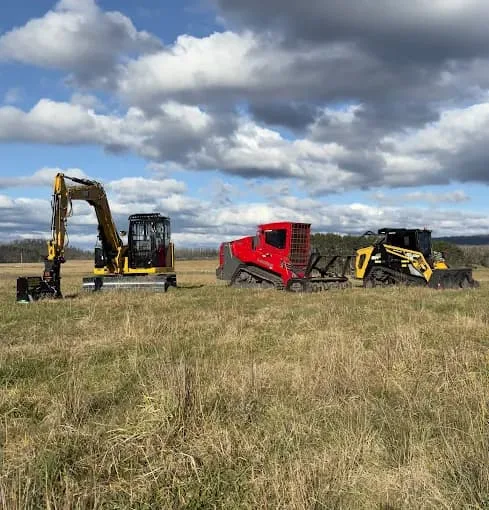

An overgrown property can become hard to use. Tall grass can cover paths. Thick brush can hide fences, rocks, and old stumps. Small trees may spread into open areas. In time, simple yard work can become much harder. The good news is that you can bring the land back under control. You just need a clear plan and the right steps.
Start by walking the whole property. Look at the ground, trees, brush, drainage, and access points. If your driveway also needs work, Gravel Driveway Repair Fredericksburg VA may help create a better route for people and equipment. A full site check can also help you spot issues before the work begins.
Start With a Simple Property Plan
Do not begin by cutting everything you see.
That can cause more work later.
First, decide what you want from the property. You may want a clean yard. Maybe you need space for a garden. You may also want room for a shed, driveway, barn, or future project.
For thick grass and brush, Bush Hogging Fredericksburg VA can be one useful part of a larger property care plan.
Walk the Land First
Take your time during the first walk.
Look for areas that need the most work. Check places that seem wet. Notice slopes and low spots. Look for trees that should stay.
Also watch for hidden hazards.
You may find old wire, broken posts, rocks, or deep holes. These things can be hard to see under tall growth.
Make a Simple List
Write down what you find.
Your list may include:
- Thick brush
- Tall grass
- Small trees
- Large trees
- Old stumps
- Fallen limbs
- Rocks
- Fences
- Wet spots
- Drainage paths
- Low areas
- Access routes
- Structures
This list can make the project much easier to plan.
Decide What You Want to Keep
Managing an overgrown property does not mean removing everything.
Some plants may be useful. Some trees may offer shade. Others may add beauty or help define the property.
Mark Good Trees
Walk around each large tree.
Look for healthy trees that fit your plans. Mark the ones you want to keep.
You should also mark areas that need protection.
These may include:
- Gardens
- Wells
- Septic areas
- Fences
- Drainage paths
- Property markers
- Small wooded areas
- Buildings
- Utility areas
Clear marks help prevent mistakes during the work.
Deal With Thick Grass and Brush
Brush is often the first thing people notice.
It can spread fast when left alone. Tall weeds can also hide the ground below.
Small trees may grow through the brush.
Cut Growth in Stages
Do not rush through a large area.
Start with the easiest section.
Then work toward thicker areas.
This gives you a better view of the land as you go.
It also helps you find hidden problems.
Watch What Appears
After the first layer of growth is gone, stop and look around.
You may find old stumps.
You may also find rocks or uneven ground.
That information can change your next step.
Remove Unwanted Trees With Care
Trees need more thought than grass and brush.
A small tree may be easy to remove. A large tree is different.
Large trees can have heavy limbs. They can also have weak spots that are hard to see.
OSHA notes that falling trees and branches are serious hazards during tree care work.
Look at Tree Health
Check each tree before deciding what to do.
Look for:
- Dead limbs
- Cracks
- Leaning trunks
- Damaged bark
- Weak branches
- Signs of decay
Do not take risks with large or damaged trees.
Trees near homes, roads, or power lines need extra care.
Be Careful Near Power Lines
Power lines can create serious hazards.
Tree limbs and equipment can come too close to energized lines.
OSHA has specific safety rules for line-clearance tree work near power lines.
If a tree is close to a power line, use qualified help.
Do not guess about safe distances.
Plan for Stumps
Cutting a tree does not always finish the job.
The stump stays behind.
Some stumps can be left alone. Others need removal.
Think About Future Use
Your plans should guide this choice.
A lawn may need smooth ground. A driveway needs a clear base. A building site may need deeper preparation.
A natural area may not need every stump removed.
Do Not Forget the Roots
Large roots can remain under the ground.
They may make grading harder.
They may also leave holes as they break down.
Think about the next use before choosing how much root material to remove.
Check Your Property Drainage
Water is easy to overlook.
That can become a problem after clearing.
Plants and roots can cover the way water moves. Once the property is cleared, you may see low spots and runoff paths more clearly.
Watch the Land After Rain
If safe, check the property after a rain.
Look for water that stays in one spot.
Notice areas where water moves fast.
Check slopes and low sections.
Also look near buildings and driveways.
Water should have a safe path.
Do not block a natural drainage route without a proper plan.
Protect the Soil
Clearing can expose bare soil.
Rain can then move loose soil downhill.
EPA explains that stormwater can carry sediment from disturbed land into nearby water.
Use Ground Cover When Needed
Do not leave large areas bare for too long.
The right protection depends on the site.
Possible choices include:
- Grass seed
- Mulch
- Sod
- Ground cover
- Vegetation
- Erosion control products
Slope and soil type both matter.
Weather also matters.
A simple plan can help protect your land from washout.
Check Local Rules Before Major Work
Land clearing may involve more than property work.
Local rules can apply to certain projects.
In Virginia, qualifying land disturbance can require stormwater permit coverage. This can include clearing, grading, and other earth work.
Know When Rules May Apply
Virginia DEQ says construction activity disturbing one acre or more generally requires Construction General Permit coverage. A smaller area can also fall under the rules when it is part of a larger common plan.
Some local areas have their own stormwater programs.
So, check before starting major work.
Ask the Right Questions
Ask your local authority about:
- Land disturbance rules
- Erosion control
- Stormwater permits
- Tree rules
- Wetland areas
- Property limits
- Other local approvals
Rules can change based on the site.
Do not rely on a guess.
Plan Your Equipment Access
Large equipment needs room.
A narrow gate can cause trouble.
Soft ground can also make access hard.
Check the Route
Look at your gate first.
Then check the driveway.
Next, check the route to the work area.
Look for:
- Narrow turns
- Steep slopes
- Soft soil
- Low branches
- Fences
- Bridges
- Drainage paths
A good route saves time.
It can also help protect the property.
Think About the Best Time to Work
Weather can affect the job.
Wet ground may become muddy under heavy equipment.
That can leave deep tracks.
Watch Soil Conditions
Dry and stable ground may provide better access.
Still, every property is different.
Clay soil can react differently from sandy soil. Slopes can also change how water moves.
Ask an experienced operator about timing.
A little patience can prevent extra repair work.
Handle Clearing Debris
Land clearing creates a lot of material.
You may have brush, branches, logs, roots, and stumps.
Do not wait until the end to decide what happens to it.
Make a Debris Plan
Possible options may include:
- Chipping
- Hauling
- Mulching
- Reuse
- Firewood
- Approved disposal
Local rules can affect disposal choices.
Do not dump brush in ditches or drainage paths.
It can block water flow.
It can also create new problems.
Think About Property Boundaries
Overgrown land can hide property markers.
Old fences may also create confusion.
Do not assume a fence shows the exact property line.
Confirm Before Clearing
Know where your property ends.
If the boundary is unclear, check reliable property records. Professional help may also be useful.
This matters most near neighbors.
A simple check can prevent a costly mistake.
Keep Useful Natural Areas
A property does not need to look completely bare.
Small wooded areas can add shade.
Trees can also give the land a more natural feel.
Create Clear Zones
You can divide the property into areas.
For example:
- Open lawn
- Tree area
- Garden area
- Driveway area
- Work space
- Natural area
This approach can make the property easier to manage.
It also keeps you from clearing land that does not need clearing.
Improve the Property in Small Steps
You do not have to fix everything at once.
Large projects can feel overwhelming.
Start with the area that matters most.
Use a Simple Order
A basic plan can look like this:
- Walk the property.
- Set your main goal.
- Mark trees to keep.
- Check property boundaries.
- Check utility locations.
- Clear grass and brush.
- Handle selected trees.
- Remove needed stumps.
- Clear the debris.
- Check drainage.
- Protect exposed soil.
- Plan future work.
This order keeps the work clear.
You can also adjust it when site conditions change.
Keep Utility Lines in Mind
Hidden utility lines can create serious problems.
Do not dig based on guesswork.
Before digging or moving soil, use the proper utility locating service.
Check Overhead Lines Too
Look above the work area.
Power lines may cross the property.
Tree limbs can reach them.
Equipment can also get too close.
OSHA lists overhead power lines among the major hazards in tree care work.
If lines are nearby, get qualified help.
Safety should always come first.
Make a Long-Term Maintenance Plan
Clearing the property is only one part.
Brush can grow back.
Grass can become tall again.
Small trees can return.
Keep the Land Under Control
Set a simple maintenance routine.
You may need regular mowing.
Some areas may need brush cutting.
Trees may need checks from time to time.
Drainage areas should also stay clear.
Small jobs are often easier than another large cleanup.
Avoid Common Property Management Mistakes
Many problems come from poor planning.
Some are easy to prevent.
Do Not Make These Mistakes
Avoid:
- Clearing without a goal
- Removing every tree
- Ignoring drainage
- Forgetting utility checks
- Leaving soil bare
- Blocking water paths
- Ignoring property lines
- Forgetting debris removal
- Using the wrong equipment
- Starting major work without checking local rules
A simple plan can prevent many headaches.
When Should You Get Professional Help?
Some properties are easy to manage.
Others are not.
Thick brush can hide hazards. Large trees can create safety risks. Steep ground can make equipment work harder.
Professional Help May Be Best When
Consider experienced help when:
- The property is large.
- Brush is very thick.
- Trees are large.
- Trees are near power lines.
- The ground is steep.
- Stumps are large.
- Drainage is poor.
- Equipment access is difficult.
- Future construction is planned.
- Local permits may apply.
A skilled operator can assess the land first.
They can also choose equipment that fits the job.
Questions to Ask Before Hiring
Price matters.
But it should not be the only thing you check.
Ask About the Work
Useful questions include:
- Have you managed similar properties?
- What equipment will you use?
- What trees will stay?
- How will you handle stumps?
- Who removes the debris?
- How will you protect the soil?
- Will grading be needed?
- How will drainage be handled?
- What does the estimate include?
- Could extra costs come up?
Clear answers help build trust.
A written estimate is also helpful.
How to Know If the Property Is Under Control
Look at the property as a whole.
Is the land easy to walk?
Can you reach key areas?
Can you see fences and structures?
Does water move where it should?
Are useful trees protected?
Is the brush growing back?
Check the Property From Different Views
Look from the house.
Then walk the edges.
Check paths and access areas.
Look at low spots.
Walk around trees.
Notice areas that still feel hard to manage.
This simple review can show what needs attention next.
Final Thoughts
Managing an overgrown property takes time.
But the job becomes much easier with a clear plan.
Start by walking the land.
Know what you want to keep.
Decide what needs to go.
Check drainage and access.
Think about soil protection.
Plan debris removal.
Check local rules before major land work.
In Virginia, stormwater and erosion rules can apply to qualifying land disturbance projects. Virginia DEQ also explains that unmanaged runoff can cause erosion and flooding.
Safety matters too.
Trees near power lines deserve special care.
Large trees and heavy equipment can also create hazards.
When a job feels too large or risky, experienced help can make sense.
Most of all, do not try to clear more land than you need.
Keep useful trees.
Keep natural areas where they fit.
Focus on making the property easier to use.
A clean property is nice.
A useful property is even better.
With steady care, you can keep the land open, safe, and ready for the future.
FAQs About Managing Overgrown Property
What is the first step for an overgrown property?
Walk the entire property first.
Look at the brush, trees, soil, slopes, drainage, and access.
Then decide what needs attention.
Should I clear the whole property?
Not always.
Clear only the areas you need.
Keeping useful trees and natural areas can reduce work.
How do I manage thick brush?
Start by checking what is hidden underneath.
Then choose equipment that fits the brush and ground.
Large areas may need professional equipment and help.
Should I remove all trees?
No.
Healthy trees may be worth keeping.
They can provide shade and improve the property.
Can overgrown land have drainage problems?
Yes.
Brush can hide low spots and water paths.
After clearing, inspect the land closely.
Can clearing land cause erosion?
Yes.
Clearing can expose soil.
Rain may then move loose soil.
Use suitable ground cover and erosion controls when needed.
Do Virginia land clearing projects need permits?
Some do.
Virginia DEQ says qualifying land disturbance can require Construction General Permit coverage. Local rules can also apply.
Check the rules before major work.
How should I handle clearing debris?
Plan this before work begins.
Brush may be chipped or hauled away.
Logs may have other uses.
Local rules can affect disposal choices.
How often should an overgrown property be maintained?
There is no single schedule.
Growth depends on weather, soil, plants, and property use.
Regular checks can help you catch growth early.
When should I hire a professional?
Consider professional help for large areas, thick brush, steep ground, large trees, or difficult access.
Extra care is also needed near power lines.
How can I keep the property from becoming overgrown again?
Create a simple maintenance routine.
Mow open areas when needed.
Control brush early.
Check trees and drainage areas.
Small upkeep jobs can prevent another major cleanup.