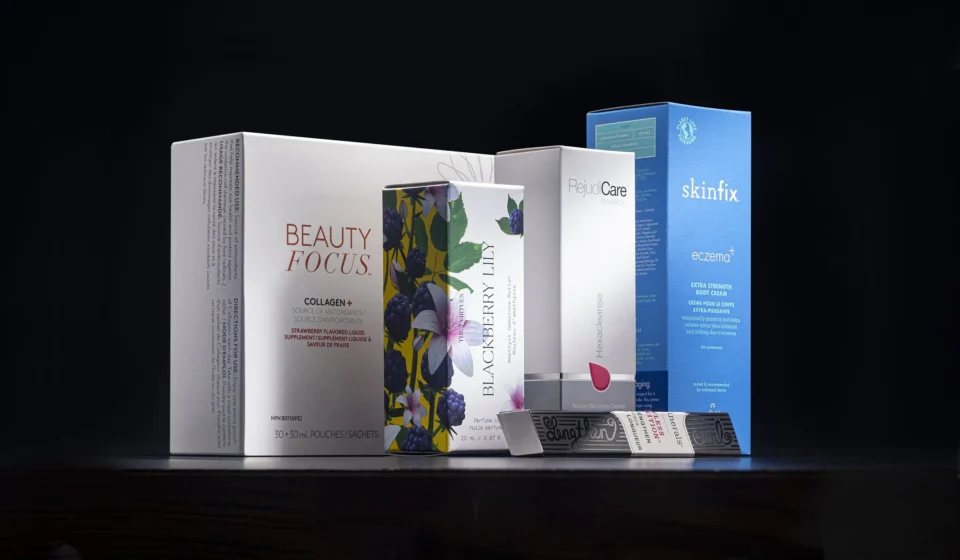

A skincare product can be formulated with precision, tested for performance, and positioned as a premium solution, but the consumer experience does not end when the package reaches the shelf. The real test begins when the customer tries to dispense the product.
A pump that releases too much serum. A tube that leaves product trapped inside. A jar that exposes sensitive ingredients to air every time it is opened. These seemingly minor packaging issues can affect how much product consumers use, how long a product lasts, and how much ultimately gets discarded.
This is where packaging design becomes more than a visual branding tool. Well-engineered custom skincare packaging can directly influence dispensing accuracy, product accessibility, formulation protection, and waste reduction. By aligning the packaging structure with the product’s viscosity, application method, and consumer usage habits, skincare brands can create a more efficient experience from the first use to the last.
Why Product Dispensing Matters in Skincare Packaging?
Skincare products are available in a wide range of formulations, including lightweight essences, thick creams, gels, oils, balms, and highly concentrated treatments. Each product requires a dispensing system that matches its physical characteristics.
A thin facial serum may work efficiently with a precision dropper or controlled pump, while a rich moisturizer may require a wider opening or an airless dispensing mechanism. When the packaging does not match the formulation, consumers may receive too much or too little product with every use.
This can create several problems:
- Product overuse.
- Inconsistent application.
- Difficulty accessing the remaining formula.
- Increased product residue inside the container.
- Premature disposal of packaging that still contains usable product.
For skincare brands, dispensing is therefore an important part of product functionality. Custom skincare packaging allows the package to be designed around the product rather than forcing the formula into a standard container with limitations.
Precision Dispensing Helps Consumers Use the Right Amount
Many skincare products are concentrated. A small amount of serum, eye cream, exfoliant, or active treatment may be sufficient for each application. However, conventional packaging can make it difficult to control the amount dispensed.
A wide opening may release excessive product when the container is tilted. A poorly calibrated pump may dispense more formula than necessary. Over time, these small differences can result in significant product waste.
Custom packaging can address this issue through controlled dispensing features such as:
- Metered pumps
- Precision droppers
- Narrow dispensing openings
- Airless pump systems
- Twist-to-dispense mechanisms
- Measured-dose applicators
These systems help consumers obtain a more consistent amount with each use. The result is better product control and more predictable product longevity.
For brands selling premium skincare, dispensing precision also reinforces the perception of quality. A product that delivers a controlled dose feels more thoughtfully engineered and can make the overall user experience more satisfying.
Airless Packaging Can Improve Product Recovery
One of the most common sources of skincare waste occurs when consumers cannot access the product remaining inside the package.
Traditional pump bottles may stop working while product remains at the bottom. Conventional tubes can trap cream in corners and folds. Jars may leave a layer of product around the inner walls that is difficult to remove without additional tools.
Airless packaging is designed to minimize exposure to air while helping move product toward the dispensing outlet. As the product is dispensed, an internal mechanism pushes the formula upward, helping consumers access more of the contents.
This can offer several benefits:
- Reduced product residue.
- Better protection from air exposure.
- More consistent dispensing throughout the product lifecycle.
For formulas that are sensitive to oxidation or contamination, airless systems can also help support product integrity. This is particularly relevant for products containing sensitive active ingredients.
When packaging is designed to help consumers reach more of the product they have purchased, less usable formula is likely to be discarded prematurely.
Packaging Design Can Reduce Over-Dispensing
Waste does not only occur when product remains trapped inside a container. It can also happen when consumers consistently dispense more than they need.
This is particularly common with products that have a fluid texture. A large opening can make it difficult to control the amount poured out, especially when the container is inverted. A product may spill, drip, or be applied in excessive quantities.
Custom packaging can incorporate dispensing features designed around the formulation’s flow characteristics. The size of the opening, the pump mechanism, the pressure required to dispense the product, and the container’s orientation can all be considered during the design process.
This type of product-specific engineering can help reduce unnecessary usage without compromising convenience.
For brands developing luxury skincare packaging, controlled dispensing can also contribute to a more refined user experience. The package can deliver the right amount smoothly and consistently, reinforcing the premium positioning of the product.
The Right Packaging Protects Product Quality
Product waste is not always caused by poor consumer habits. Sometimes, the formula becomes compromised before the consumer can use it completely.
Repeated exposure to air, light, heat, or contaminants can affect certain skincare formulations. Once the product changes in texture, color, scent, or performance, consumers may stop using it—even if a substantial amount remains in the container.
Packaging design plays an important role in protecting the formula from external conditions. Depending on the product, a brand may consider:
- Opaque materials to reduce light exposure.
- Airless dispensing systems to limit oxygen contact.
- Secure closures to prevent contamination.
- Barrier materials for sensitive formulations.
- Sealed components that support product stability.
A well-designed package can therefore help extend the functional life of a product. This reduces the likelihood of consumers discarding skincare products before they have used the full amount.
Custom Packaging Can Improve Access to the Final Product
The final portion of a skincare product is often the most difficult to retrieve. Consumers may cut open tubes, shake bottles repeatedly, or use cosmetic spatulas to reach product stuck inside the package.
These behaviors indicate a clear packaging challenge: the product may be technically present, but it is not practically accessible.
Designing packaging with product recovery in mind can help address this issue. Internal shapes, container geometry, dispensing mechanisms, and material selection can all influence how efficiently the formula moves through the package.
For example, a container with fewer internal corners may leave less product behind. A flexible tube may help consumers squeeze out more of the formula. A pump system may be designed to continue functioning until a greater percentage of the product has been dispensed.
These design decisions may appear small individually, but together they can significantly improve the consumer’s ability to use the product completely.
The Consumer Experience Influences Waste Behavior
Packaging does not operate independently from consumer behavior. The easier a product is to use, the more likely consumers are to use it correctly and consistently.
A difficult-to-open container may encourage consumers to leave the product unused. An overly complicated dispensing system may lead to frustration. A package that requires excessive force may cause accidental spills.
In contrast, intuitive packaging can support more efficient use. Consumers should be able to understand:
- How to open the package?
- How much product to dispense?
- How to store the product?
- How to access the remaining formula?
- How to close the package securely?
This is one of the reasons custom skincare packaging is increasingly important for brands developing specialized formulations. Packaging can be designed around the actual consumer journey instead of relying on a generic structure.
A successful package quietly guides the user. It makes the correct amount easier to dispense, protects the product between uses, and minimizes unnecessary mess or loss.
Luxury Packaging Should Combine Aesthetics With Functionality
Premium appearance and practical performance should not be treated as separate goals. In fact, the most effective luxury skincare packaging combines visual sophistication with functional engineering.
A heavy glass bottle may create a premium impression, but the dispensing system still needs to deliver the product efficiently. A minimalist container may look elegant, but it should also protect the formulation and provide convenient access.
Luxury packaging can incorporate features such as:
- Precision pumps
- Magnetic closures
- Airless technology
- Custom inserts
- Ergonomic shapes
- Refillable components
- Secure dispensing caps
The key is ensuring that every feature has a purpose. Decorative elements should not make the package unnecessarily difficult to use or create avoidable material waste.
For high-end skincare brands, functional packaging can become part of the product experience. When consumers feel that the package has been designed with the formula and their daily routine in mind, the perceived value of the product can increase.
Packaging Design Can Support More Efficient Product Development
Custom packaging can also help brands identify dispensing and waste issues before a product reaches the market.
During the development process, brands can evaluate how different packaging formats perform with a specific formula. Testing may reveal whether:
- The formula flows consistently.
- The pump delivers an appropriate amount.
- The product can be recovered efficiently.
- The package protects the formulation.
- Consumers can operate the package easily.
This type of testing is especially important for products with unusual textures or highly concentrated formulas.
By identifying packaging problems before production, brands can reduce the risk of customer complaints, product returns, and unnecessary waste caused by poor usability.
Better Dispensing Creates Value for Both Brands and Consumers
Effective packaging design can influence more than convenience. When consumers are able to dispense the correct amount and access more of the product, they may feel that they are receiving better value from their purchase.
For brands, this can support:
- Improved customer satisfaction.
- Fewer complaints about product waste.
- Stronger product differentiation.
- Better protection for sensitive formulations.
- More consistent product usage.
The relationship between packaging and waste is therefore closely connected to product performance. A container that prevents unnecessary over-dispensing, protects the formula, and helps consumers access the final portion can make a measurable difference in the overall product experience.
The Future of Skincare Packaging Is More Product-Specific
Skincare packaging is moving away from a one-size-fits-all approach. As formulations become more specialized, packaging must become more responsive to their individual requirements.
The ideal package for a lightweight facial oil may be entirely different from the ideal package for a thick peptide cream or a highly active treatment. Each formula has different dispensing, protection, and usage requirements.
This makes customization increasingly valuable. Through custom skincare packaging, brands can create a closer relationship between the formulation, the container, and the consumer’s daily routine.
The result is packaging that does more than hold a product. It helps preserve the formula, control dispensing, improve accessibility, and reduce the amount of usable product that ends up discarded.
Conclusion
A skincare package may be opened hundreds of times during its lifecycle. Every pump, squeeze, drop, and closure creates an opportunity to either improve product efficiency or contribute to unnecessary waste.
The right packaging design can help consumers dispense the correct amount, protect sensitive formulations, access more of the product, and use the package more effectively. For brands, this makes packaging a critical part of product development, not simply an outer layer designed to attract attention.
Whether the goal is to create premium luxury skincare packaging or highly functional custom skincare packaging, the strongest solutions balance appearance with engineering. When packaging is designed around the formula and the consumer’s actual experience, better dispensing becomes more than a convenience. It becomes a practical way to improve product value and reduce avoidable waste.