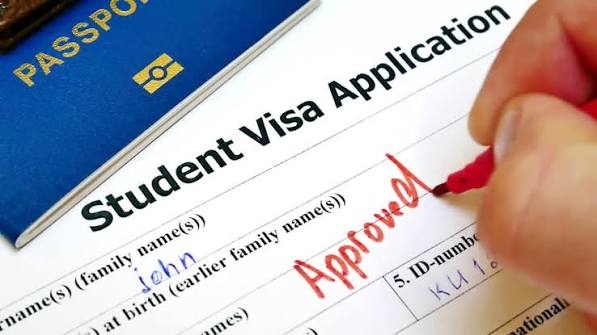

Applying for a student visa is an important step toward achieving your dream of studying abroad. While many applications are approved every year, some are rejected because applicants fail to meet visa requirements or make avoidable mistakes during the process. If you plan to study in China, understanding these common reasons for rejection can help you prepare a stronger application.
A visa refusal can delay your academic plans, increase expenses, and create unnecessary stress. Fortunately, most rejections happen because of issues that can be prevented with careful preparation and accurate documentation.
This guide explains five common reasons why student visas are rejected and offers practical tips to help you avoid them, especially if you are preparing a visa application for study in China.
1. Incomplete or Incorrect Visa Application for Study in China
One of the most common reasons for rejection is submitting an incomplete or inaccurate visa application for study in China. Even small mistakes can cause delays or raise concerns during the review process.
Common application errors include:
- Incorrect personal information.
- Missing signatures.
- Expired passport.
- Incomplete application forms.
- Missing supporting documents.
- Incorrect passport photographs.
How to Avoid It
Before submitting your application:
- Double check every section of the application form.
- Ensure all information matches your passport.
- Verify that all required documents are included.
- Keep photocopies of every document.
- Review embassy guidelines carefully.
Submitting a complete and accurate application creates a positive first impression.
2. Insufficient Financial Evidence
Visa officers must be satisfied that you can afford your education and living expenses while studying abroad.
Financial concerns may arise if:
- Bank statements are incomplete.
- Funds appear inconsistent.
- Sponsorship documents are missing.
- Financial records cannot be verified.
How to Avoid It
Prepare strong financial evidence by providing:
- Recent bank statements.
- Scholarship letters if applicable.
- Financial sponsorship documents.
- Proof of income.
- Tuition payment receipts where required.
Clear financial documentation demonstrates that you are prepared for your studies.
3. Weak Academic Purpose
Students sometimes fail to explain why they selected their course or university.
Visa officers want to see that your primary purpose is education rather than immigration.
A weak application may include:
- Unclear career goals.
- Generic study plans.
- Poorly written Statement of Purpose.
- No connection between previous education and chosen program.
How to Avoid It
Clearly explain:
- Why you chose China.
- Why you selected your university.
- How the program supports your career goals.
- What you plan to do after graduation.
A logical academic plan strengthens your application.
4. Poor Performance During the Visa Interview
Not every student is required to attend a visa interview, but when an interview is part of the process, your answers play an important role.
Common interview mistakes include:
- Giving inconsistent answers.
- Appearing unprepared.
- Providing false information.
- Speaking nervously without clear explanations.
- Contradicting details in the application.
How to Avoid It
Prepare by:
- Reviewing your application.
- Understanding your chosen course.
- Researching your university.
- Practicing common interview questions.
- Speaking honestly and confidently.
Confidence and preparation often make a positive impression.
5. Failure to Demonstrate Genuine Student Intentions
Visa officers need confidence that your primary objective is to study.
Applicants may face concerns if they:
- Focus mainly on working abroad.
- Cannot explain their study plans.
- Show little knowledge about their university.
- Fail to demonstrate commitment to education.
How to Avoid It
Demonstrate genuine academic intentions by:
- Discussing your educational goals.
- Explaining your future career plans.
- Showing knowledge of your university and program.
- Providing a clear study plan.
A well prepared applicant appears more credible.
Additional Tips to Strengthen Your Student Visa Application
Beyond avoiding common mistakes, there are several ways to improve your application.
You should:
- Apply well before your course begins.
- Organize your documents carefully.
- Follow embassy instructions closely.
- Ensure your passport is valid.
- Respond quickly if additional documents are requested.
- Keep copies of every submitted document.
- Stay informed about current visa requirements.
Good preparation reduces the likelihood of unexpected problems.
Common Documents Required
Although requirements vary, students are commonly asked to provide:
- Valid passport.
- Completed visa application form.
- University admission letter.
- Passport size photographs.
- Financial documents.
- Academic transcripts.
- Medical documents if required.
- Accommodation information.
- Statement of Purpose.
Always confirm the latest document requirements through the official embassy or visa application center.
Frequently Asked Questions
Does a visa rejection mean I cannot apply again?
No. In many cases, you may reapply after addressing the issues that caused the previous refusal.
Can financial documents affect visa approval?
Yes. Strong financial evidence is one of the most important parts of a student visa application.
Is a Statement of Purpose important?
Yes. A well written Statement of Purpose helps explain your academic goals and demonstrates genuine study intentions.
Should I memorize interview answers?
No. It is better to understand your application thoroughly and answer questions naturally and honestly.
How early should I apply for my student visa?
Applying several weeks or months before your intended travel date gives you enough time to handle any unexpected delays.
Final Words
A student visa rejection can be disappointing, but many refusals result from mistakes that are completely avoidable. By submitting a complete application, providing strong financial evidence, explaining your academic goals clearly, preparing for your interview, and demonstrating genuine intentions to study, you can greatly improve your chances of approval.
If you plan to study in China, take the time to understand the visa requirements, organize your documents carefully, and present yourself as a motivated student with a clear educational purpose. Careful preparation is one of the best ways to make your study abroad journey successful.