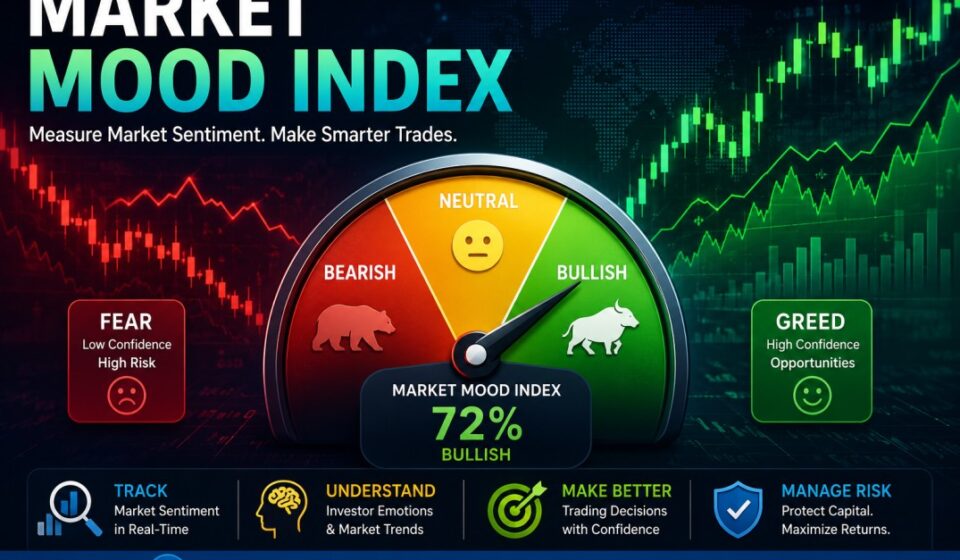

In the world of trading, where investment decisions can make or break a financial future, understanding market dynamics is crucial. One element that often gets overlooked is the market mood index. While many traders focus on charts and technical analysis, they forget to tune into the general sentiment swaying the marketplace. This could cost them more than they realize. So, let’s dive into what the market mood index is, why it’s important, and how it can impact your trading success.
What is the Market Mood Index?
At its core, the market mood index essentially measures the emotional temperament of the market. It gauges whether investors are feeling bullish (optimistic) or bearish (pessimistic). Think of it as a weather report for your investments. Just like you’d check the weather before heading out, keeping an eye on the market mood index can help you navigate trading terrain.
But how does one measure emotions, you might ask? The market mood index is often constructed using various indicators, such as:
- Trading volume
- Price movements
- Sentiment analyses from news and social media
This makes it a powerful tool for predicting potential market shifts.
Why Should Traders Care?
You might be thinking, “Sure, the market mood index sounds nice, but does it really matter to me?” Oh, it does! Understanding the market mood index can help you mitigate risks and capitalize on profitable opportunities.
Traders who ignore this index often find themselves on the wrong side of a trade, losing out when they could have profited just by monitoring market sentiments. If everyone is buzzing about a stock being ‘the next big thing,’ it’s worth considering, even if your charts suggest otherwise.
Step 1: Aligning Your Strategies with Market Sentiment
Trading isn’t just about numbers; it’s about human behavior. By aligning your trading strategies with the market mood index, you can make informed decisions that take market sentiment into account.
Imagine investing heavily in a stock that everyone is skeptical about because the news is bad. You might have strong technical indicators suggesting it’s the right time to buy, but if everyone else is bearish, you may be setting yourself up for failure.
Step 2: Tracking the Index
The market mood index isn’t something you just check once and forget about. It’s essential to track it consistently, much like you would look for signs of rain while planning a weekend trip. Use resources such as:
- Trading platforms
- Financial news sites
These provide updates on the market mood index.
By checking in regularly, you can identify trends and adjust your strategies accordingly. If you see a shift from bullish to bearish, it might be time to reconsider your positions.
Step 3: Combining Technical Analysis with the Market Mood Index
Imagine a chef combining various ingredients to create a dish. In trading, marrying technical analysis with the market mood index can create a robust strategy. While technical indicators focus on historical price movements, the market mood index provides context.
Let’s say your analysis shows a stock is undervalued and poised for growth. Yet, the market mood index indicates widespread pessimism. This could signal that it may take time for the stock to rise, giving you the opportunity to be patient rather than rush into a position.
Step 4: Developing a Risk Management Strategy
Ignoring the market mood index can lead to risky situations. Without a solid understanding of market sentiment, you might expose yourself to unnecessary risk, and we all know that trading without risk management is like walking a tightrope without a safety net.
A good risk management strategy should take into account the market mood index. If the sentiment is overwhelmingly negative, it may be wise to:
- Cut back on your positions
- Set tighter stop-loss orders
Step 5: Being Aware of Market Cycles
Markets are cyclical, and the market mood index plays a significant role in these cycles. Recognizing where you are in a market cycle whether it’s a boom, bust, or recovery can help you make wiser decisions.
When the mood is upbeat and investors are optimistic, that’s often a great time to ride the wave of investing. But when the mood turns sour, having the foresight to exit or reduce your positions can save you from losing more than you can afford.
Step 6: Learning from Others
One way to get a grasp on the market mood index is to learn from other traders. Online forums, social media platforms, and investment groups are rich resources where you can observe how others are responding to market changes.
Take note of the discussions around the market mood index. Consider:
- How are experienced traders using this information?
- What sentiments are they picking up on?
This kind of social learning can prove invaluable for refining your approach.
A Word on Tax Implications
Now, as we navigate the waters of trading and the market mood index, let’s touch on an important aspect that often gets overlooked: taxes. For instance, if you happen to be the highest tax payer in India, every investment you make will have tax implications.
Consider:
- Long-term capital gains
- Short-term capital gains
- Dividends
- Losses
These can significantly affect your returns. Understanding how your trading decisions interact with the market mood index can help you capitalize not just on investments but also keep an eye on the potential tax burdens down the line.
Conclusion: Don’t Ignore the Signs!
In the fast-paced world of trading, staying attuned to the market mood index is crucial. By ignoring it, you might be setting yourself up for a costly misstep. Remember that trading is not just about numbers and figures; it’s also about understanding people and emotions.
So, make it a priority to incorporate the market mood index into your trading strategy. Combine it with:
- Technical analysis
- Keep an eye on market cycles
- Manage your risks
- Don’t forget the tax implications if you’re the highest tax payer in India
Start today and watch how it transforms your trading game!
By embracing these principles, you not only gain insights into market behavior but also take control of your financial destiny.
Happy trading!
Read also:- IPO Process Explained for Investors Entering Primary Market