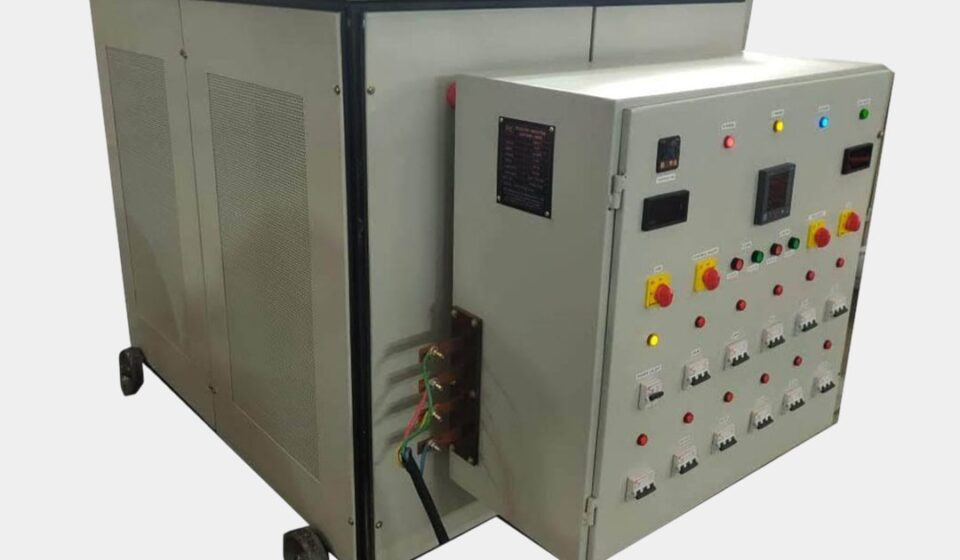

Technology continues to reshape the industrial equipment sector, and inductive load bank manufacturing is no exception. As industries demand more accurate power testing, greater efficiency, and smarter monitoring capabilities, manufacturers are integrating advanced technologies into both their production processes and product designs. These innovations are improving the performance, reliability, and usability of inductive load banks across a wide range of applications.
Choosing an experienced inductive load banks manufacturer gives businesses access to modern engineering solutions that combine precision manufacturing with intelligent control systems. From automated production to digital monitoring, technology is helping manufacturers deliver equipment that meets the evolving needs of today’s power industry.
Smarter Product Design with Advanced Engineering
Modern engineering software has significantly improved the way inductive load banks are designed. Computer-aided design (CAD) and simulation tools allow engineers to evaluate electrical performance before production begins.
These technologies help manufacturers:
- Optimize component layouts
- Improve cooling efficiency
- Enhance structural strength
- Reduce design errors
- Accelerate product development
As a result, customers receive equipment that is more reliable and better suited to demanding industrial environments.
Automation in Manufacturing
Automation has transformed production by increasing precision and consistency throughout the manufacturing process.
Automated systems are commonly used for:
- Metal fabrication
- Component assembly
- Precision welding
- Electrical wiring
- Quality inspections
Automation minimizes human error while improving production speed and maintaining consistent product quality.
Intelligent Digital Control Systems
One of the most noticeable technological advancements is the integration of digital control systems into inductive load banks.
Modern control systems often include:
- Touchscreen interfaces
- Programmable testing sequences
- Automatic load adjustment
- Remote operation
- User-friendly software
These features simplify testing procedures and improve operational efficiency for technicians.
Real-Time Monitoring and Data Collection
Today’s inductive load banks are capable of collecting and displaying detailed performance data throughout the testing process.
Operators can monitor important parameters such as:
- Voltage
- Current
- Frequency
- Power factor
- Temperature
- Load percentage
Real-time monitoring enables faster decision-making and helps identify potential issues before they affect equipment performance.
Remote Access and Network Connectivity
Advances in communication technology have made remote operation increasingly common. Many modern load banks support network connectivity, allowing engineers to monitor and control testing from a central location.
Remote capabilities offer several benefits:
- Reduced on-site staffing requirements
- Faster diagnostics
- Improved operational flexibility
- Simplified data sharing
- Enhanced maintenance planning
These features are particularly valuable for facilities with multiple testing locations.
Improved Cooling Technologies
Efficient heat management is essential for maintaining stable load bank performance during extended testing periods.
Manufacturers now incorporate advanced cooling solutions, including:
- Optimized airflow designs
- High-efficiency cooling fans
- Intelligent temperature monitoring
- Automatic thermal protection systems
These improvements help extend equipment lifespan while maintaining consistent testing accuracy.
Enhanced Quality Control
Technology has also strengthened quality assurance throughout the manufacturing process.
Modern inspection systems may include:
- Automated electrical testing
- Digital measurement equipment
- Performance verification software
- Precision calibration tools
These technologies help manufacturers detect defects early and ensure every load bank meets strict quality standards before shipment.
Predictive Maintenance Features
Many advanced inductive load banks now include intelligent diagnostic capabilities that support predictive maintenance.
By continuously monitoring system performance, these features can detect signs of wear or abnormal operation before failures occur. This reduces unplanned downtime and allows maintenance to be scheduled more efficiently.
Sustainable Manufacturing Practices
Technology is also supporting more environmentally responsible manufacturing methods.
Many manufacturers are adopting practices such as:
- Energy-efficient production equipment
- Waste reduction initiatives
- Improved material utilization
- Environmentally friendly manufacturing processes
These efforts help reduce environmental impact while maintaining high product quality.
Future Innovations
As industrial technology continues to evolve, inductive load bank manufacturing is expected to become even more advanced. Future developments may include artificial intelligence-assisted diagnostics, enhanced automation, cloud-based monitoring platforms, and more sophisticated predictive maintenance capabilities.
These innovations will further improve testing accuracy, operational efficiency, and equipment reliability across a variety of industries.
Conclusion
Technology is transforming every stage of inductive load bank manufacturing, from product design and automated production to intelligent monitoring and predictive maintenance. These advancements enable manufacturers to deliver more accurate, efficient, and reliable testing solutions for modern power systems.
By choosing a manufacturer that embraces technological innovation, organizations can benefit from advanced load bank solutions that improve testing performance, reduce maintenance requirements, and support the long-term reliability of critical electrical infrastructure.