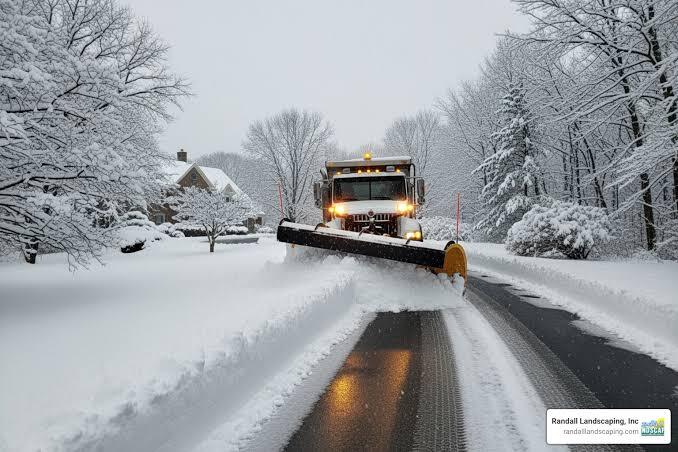

The difference between per-push and seasonal snow removal contracts comes down to how and when you pay. Per-push means you’re charged each time snow is cleared, while seasonal pricing is a flat rate that covers the entire winter no matter how many times it snows.
Choosing between the two isn’t just about cost. It affects how quickly you get service, how predictable your expenses are, and how much risk you’re willing to take on during a heavy winter. If you’ve never hired a snow removal company before, the terms can feel a bit confusing at first, but once you break them down, it’s easier to see what fits your situation.
What Per-Push Pricing Actually Means
Per-push pricing is simple on the surface. Every time the company comes out to clear snow, you pay for that visit. The price may depend on how much snow has fallen or how large your property is.
Most companies set a trigger depth, often around 2 to 3 inches. That means they won’t come out for light dusting, but once snowfall passes that level, it counts as a billable visit.
This model works well if you don’t get frequent snow or if winters in your area are unpredictable. You only pay when you need the service, which can save money in lighter seasons.
What Seasonal Pricing Covers
Seasonal pricing is more like a package deal. You pay a fixed amount at the start of the season, and the company handles snow removal for the entire winter.
It doesn’t matter if it snows five times or fifty times. Your cost stays the same. That makes budgeting easier because you know exactly what you’re paying upfront.
Most seasonal contracts include clear terms about when service happens. Some specify response times, while others outline how often crews will return during ongoing snowfall.
The Biggest Trade-Off Between the Two
The real difference comes down to risk. With per-push, you take the risk of a heavy winter driving up your total cost. With seasonal pricing, the company takes that risk instead.
If snowfall is light, per-push can be cheaper. If it’s a rough winter with frequent storms, seasonal pricing often ends up being the better deal.
There’s no perfect choice that works for everyone. It depends on your budget, your property, and how much uncertainty you’re comfortable with.
When Per-Push Pricing Makes More Sense
Per-push contracts are usually a better fit in certain situations. If your area doesn’t get consistent snowfall, paying per visit can keep costs down.
It also works well if you don’t mind a bit of flexibility in service timing. Since you’re not locked into a full-season agreement, you can adjust or stop service more easily.
Here are a few cases where per-push works well:
- You get occasional snow rather than frequent storms
- You’re trying to keep upfront costs low
- You don’t need priority service during every storm
That last point matters more than people expect. Per-push customers are sometimes scheduled after seasonal clients during busy storms.
When Seasonal Pricing Is the Better Choice
Seasonal contracts are a good option if you want consistency and peace of mind. You don’t have to think about each snowfall or worry about rising costs during a harsh winter.
This setup is especially useful for:
- Areas with heavy or frequent snowfall
- Commercial properties that need reliable access
- Homeowners who don’t want to track every visit
You’re paying for convenience as much as service. Once the contract is signed, the responsibility shifts to the company to handle conditions as they come.
How Snowfall Frequency Changes the Equation
One thing people often overlook is how much snowfall patterns affect pricing. Two winters can look completely different, even in the same area.
A mild winter with only a few storms makes per-push look like a smart choice. A winter with constant snowfall can turn that same choice into a costly one.
Seasonal pricing smooths out those ups and downs. You might pay a bit more in a mild year, but you’re protected in a heavy one.
What’s Usually Included in Each Contract
Not all contracts are the same, but there are some common elements you should expect.
Per-push contracts often include:
- A set price per visit
- Snow depth trigger levels
- Additional fees for ice control or extra services
Seasonal contracts usually include:
- Unlimited visits within the contract period
- Defined service triggers
- Optional add-ons like salting or walkway clearing
Always check what’s included and what isn’t. Ice management, for example, is sometimes billed separately in both types of contracts.
Hidden Costs to Watch For
Pricing isn’t always as straightforward as it looks. Some contracts include extra fees that only show up later.
Common ones include:
- Charges for heavy snowfall beyond a certain depth
- Extra fees for back-to-back storms
- Additional costs for salt or de-icing
These details are usually in the fine print. It’s worth asking directly instead of assuming everything is covered.
How Service Priority Can Affect Your Choice
This is something many people don’t realize until it’s too late. Companies often prioritize seasonal clients during major storms.
That means if you’re on a per-push plan, you might wait longer for service when demand is high. It’s not always the case, but it happens often enough to consider.
Seasonal customers are part of a fixed schedule. Crews are assigned to them in advance, which can lead to faster and more consistent service.
The Role of Contracts and Clear Terms
No matter which pricing model you choose, a written agreement matters. It should clearly explain what triggers service, how often crews will come out, and what happens during extended snowfall.
You don’t need complicated legal language. Just make sure the basics are covered so you’re not guessing later.
If something isn’t clear, ask. A reliable company won’t hesitate to explain how their contract works.
Getting Real Answers Before You Sign
A good way to understand a company is to ask simple, direct questions. You’ll learn a lot from how they respond.
Try asking things like:
- How do you handle heavy storms with multiple visits
- What happens if snow keeps falling all day
- Are there any extra charges I should expect
I remember asking a local service, Helpful Guys, about their pricing, and they broke it down in plain terms without overcomplicating it. That kind of clarity makes it easier to trust what you’re signing up for.
Choosing Based on Your Property Type
Your property plays a big role in this decision. A small residential driveway doesn’t carry the same pressure as a large commercial lot.
Homeowners often lean toward per-push if snowfall is light. Businesses usually prefer seasonal contracts because they can’t afford delays or inconsistent service.
Think about how critical snow removal is for your daily routine. That helps narrow down the right option.
Why Cheapest Isn’t Always Best
It’s easy to focus on price, but that can backfire. A low per-push rate might look appealing until a heavy winter drives up the total cost.
On the flip side, a cheap seasonal contract might come with slower service or limited coverage.
Value matters more than price alone. Reliable service during bad weather is worth more than saving a small amount upfront.
Final Thoughts and What to Do Next
Per-push and seasonal snow removal contracts each have their place. One gives you flexibility and pay-as-you-go control, while the other offers predictable costs and consistent service.
If you’re unsure, start by looking at your past winters. How often did it snow, and how quickly did you need clearing? That gives you a good starting point.
Then talk to a couple of companies, ask clear questions, and compare answers. Once you understand what you’re getting, the choice becomes much easier.