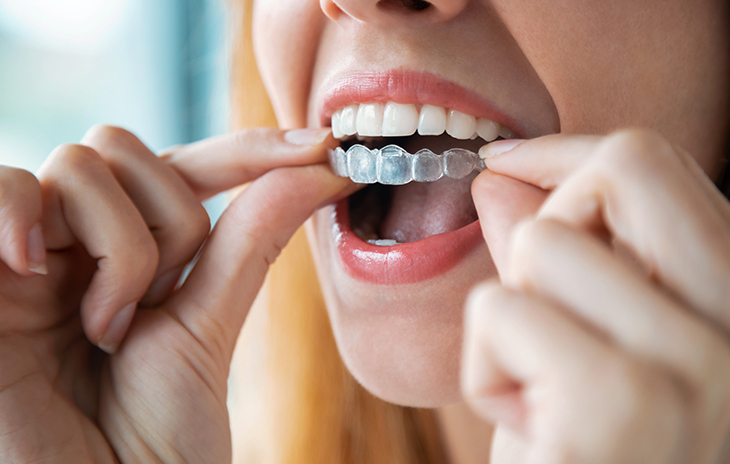

A well-aligned smile contributes to more than appearance. Proper tooth positioning supports efficient biting, simplifies oral hygiene, distributes chewing forces evenly, and can reduce the risk of excessive tooth wear over time. For many teenagers and adults, orthodontic care is no longer limited to conventional braces, as removable treatment options have expanded the range of suitable solutions for different lifestyles.
Patients seeking a discreet method of correcting crowding, spacing, or bite irregularities frequently explore teeth invisible aligners because they combine customized treatment planning with removable convenience. When supervised by a qualified orthodontic specialist, every stage is carefully designed according to the individual’s dental condition, treatment objectives, and expected tooth movement rather than relying on a standardized approach.
Why Every Smile Requires an Individual Treatment Plan
Orthodontic treatment begins long before the first aligner is manufactured. Every patient’s teeth move differently, making comprehensive diagnosis an essential part of planning. Clinical examination, digital records, photographs, X-rays, and study models help the orthodontist evaluate crowding, spacing, bite relationships, jaw alignment, and facial proportions before determining whether aligners are the most appropriate option.
Treatment recommendations are based on clinical findings rather than cosmetic preferences alone. Mild spacing may require a very different approach from rotational corrections, deep bites, or crossbites. Careful planning allows tooth movement to progress in controlled stages while maintaining overall oral health throughout treatment.
Important factors considered during assessment include:
- Tooth alignment and spacing
- Bite relationship between upper and lower teeth
- Jaw positioning
- Existing restorations or missing teeth
- Gum health before treatment
- Long-term stability after correction
How Digital Planning Improves Treatment Precision
Modern orthodontic planning allows specialists to visualize tooth movement before active treatment begins. Digital records help create a structured sequence that guides gradual repositioning instead of attempting large movements at once. This staged approach allows adjustments to remain controlled while providing patients with a clearer understanding of their treatment journey.
Because every movement is carefully calculated, periodic reviews remain important even with removable aligners. Regular appointments allow the orthodontist to evaluate progress, confirm that teeth are tracking according to plan, and determine whether refinements are necessary as treatment advances.
Digital Records Improve Diagnostic Accuracy
Digital scans and diagnostic records provide detailed information that traditional visual examinations alone cannot capture. Combined with radiographs and clinical assessment, these records help develop a personalized orthodontic strategy based on measurable findings rather than assumptions.
Tooth Movement Occurs Through Planned Stages
Orthodontic correction is accomplished through a sequence of small, controlled movements instead of dramatic changes over short periods. Each stage builds upon the previous one, allowing teeth, supporting bone, and surrounding tissues to adapt progressively while maintaining treatment predictability.
Who Can Benefit from Clear Aligner Therapy?
Not every orthodontic concern requires the same treatment approach, which is why specialist assessment remains essential before aligners are recommended. Mild to moderate crowding, unwanted spacing, rotated teeth, and selected bite discrepancies can often be managed effectively when supported by careful diagnosis and a personalized treatment sequence. Clinical suitability always depends on individual findings rather than age alone.
Wearing Time Determines Treatment Progress
Aligners can only move teeth when they are worn as prescribed. Removing them for extended periods interrupts the planned sequence, potentially extending treatment and affecting the accuracy of tooth movement. Consistency remains one of the most important responsibilities throughout therapy.
Regular Reviews Keep Treatment on Track
Although treatment uses removable appliances, scheduled appointments remain necessary. During review visits, the orthodontist confirms that teeth are tracking according to the digital treatment plan, evaluates oral health, and determines whether refinements are required before progressing to the next stage.
Retainers Protect the Final Result
Completing active treatment represents only one phase of orthodontic care. Retainers help maintain the corrected tooth positions while surrounding bone and supporting tissues stabilize, reducing the likelihood of unwanted relapse after treatment has finished.
Oral Hygiene Remains Easier During Treatment
Because aligners are removed before eating and brushing, patients can continue normal oral hygiene routines without navigating around brackets or wires. Maintaining healthy gums and clean tooth surfaces contributes to successful orthodontic outcomes and supports long-term dental health.
Preparing for a Successful Orthodontic Journey
Successful treatment involves collaboration between the patient and the orthodontic specialist. Attending review appointments, wearing aligners consistently, and following care instructions all contribute to predictable tooth movement. Small daily habits often have a greater influence on treatment progress than patients initially expect.
Helpful practices throughout treatment include:
- Wear aligners for the recommended number of hours.
- Remove them before meals and hot beverages.
- Brush and floss thoroughly before reinserting trays.
- Clean aligners according to professional instructions.
- Store trays safely whenever they are removed.
- Attend every scheduled review appointment.
Maintaining Results After Active Orthodontic Treatment
Completing aligner therapy is a significant milestone, but maintaining the new tooth positions requires continued attention. Teeth naturally tend to shift over time as surrounding bone and soft tissues adapt, which is why retainers form an essential part of long-term orthodontic care. Wearing them according to professional instructions helps preserve the alignment achieved during treatment and supports lasting stability.
Regular follow-up visits remain valuable even after active treatment has ended. These appointments allow the orthodontist to confirm that the bite remains stable, evaluate retainer fit, and identify any minor changes before they become more noticeable. Long-term success depends not only on the treatment itself but also on consistent aftercare and patient commitment.
Final Thoughts
Looking for a confident smile that is guided by specialist expertise from beginning to end? Choosing the right orthodontic team is the first step toward achieving predictable, lasting results. Patients considering invisible aligner treatment in Singapore can trust BRACESAURUS for personalized orthodontic care delivered by an MOH-accredited orthodontic specialist. Through comprehensive assessments, digital treatment planning, carefully monitored progress reviews, and customized retainers, every stage is tailored to the individual’s dental needs rather than a one-size-fits-all approach. This emphasis on safety, clinical precision, and long-term stability allows patients to pursue straighter teeth with confidence while supporting healthier bite function and improved oral health for years to come.