When the house feels sticky or the vents blow weak air, most people want quick answers they can do safely. This short guide focuses on simple steps for HVAC troubleshooting in Philadelphia that do not risk damage or injury. You will see what to check first, what to skip, and how to explain the problem clearly if you need help later.
In practice, simple checks solve a lot of minor issues, especially during sudden heat or cold snaps. Companies like HVAC Philadelphia Pro handle the big fixes every day, but homeowners can still rule out easy causes. Keep safety first, avoid opening panels, and stop if anything looks off or smells like burning.
Why This Topic Matters
In peak summer, many homes wait hours for help, and the house gets hot fast. A few careful checks often restore cooling or at least stop the system from getting worse. These steps also help you share clear notes with a technician, which can speed up a later visit and reduce repeat trips.
One pattern often seen is a basic setting or a clogged filter triggering bigger symptoms. Another is a tripped breaker that keeps popping because the outdoor coil is matted with fuzz. Simple, safe checks give you a path to sort easy problems from the deep ones.
Understanding Safe DIY Boundaries
Think in two buckets. The first is Low-risk checks like thermostat settings, filters, and airflow. The second is High-priority symptoms like burning smells, sparking, or repeated breaker trips, which call for professional help right away.
Avoid opening service panels, probing live parts, or handling refrigerant lines. Skip chemical coil cleaners if you are unsure; garden-hose rinsing from the outside in is safer for most people. If you hear scraping metal or smell a sharp electrical odor, stop and call a technician.
Quick Checks Before You Grab Tools
Confirm the thermostat is on Cool and set a few degrees below room temp. Replace the batteries if the screen is dim or blank. Check the circuit breaker labeled AC or air handler, and gently reset once if it is tripped.
Look at the return grille. If the Air filter is dusty or past its due date, replace it. Walk to the outdoor unit and listen for the fan. If it is silent while the indoor blower runs, you may have a power or control issue that needs a closer look.
AC not cooling in Philadelphia: Simple checks
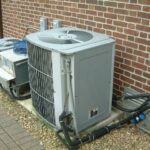
Hot, humid days in the city push systems hard. Start with vents open, doors inside the home cracked for airflow, and blinds down on sunny windows to cut heat load. Then step outside and clear leaves and debris from the unit so air can move.
Rinse the Condenser coil with a gentle stream from top to bottom. Do not blast water into the fins. Inside, verify the thermostat Fan setting is on Auto, not On, to avoid warm air when the compressor is off. If cooling still lags, watch for ice on lines or the indoor coil area and turn the system off to thaw.
AC unit not turning on: What to try
Work from simple to specific. Check Power supply at the breaker and any outdoor disconnect. Look for a tripped GFCI on nearby outlets that may feed the furnace or air handler. If the thermostat is smart, reboot it and rejoin Wi-Fi; outdated schedules can block cooling calls.
Confirm Thermostat settings are on Cool with a 2 to 4 degree drop from current temp. If you see a full drain pan or water near the air handler, a Drain safety switch may have shut the system down; clear the drain line if you know how, or wait for service. For a deeper dive on symptoms and next steps, see the Complete Guide to AC Repair in Philadelphia PA for Comfortable Homes and Businesses.
Stopping AC short cycling: Practical fix steps
Short cycling is when the system starts and stops often, sometimes every few minutes. Common triggers include a clogged filter, iced coil, or a thermostat placed in direct sun or near a hot TV. Oversized systems also short cycle, which needs design help, not DIY fixes.
Try a new filter, then set the thermostat to a steady temperature and give it 20 to 30 minutes. Shade the thermostat from sun and heat. If you find ice on the lines, turn the system off and run the fan to thaw before trying again, since running iced can harm the compressor.
Improving AC airflow problems indoors
Airflow issues show up as weak vents, hot rooms, or noisy whistling returns. Open supply vents fully and remove floor mats or furniture blocking them. Vacuum dust from return grilles and confirm the filter size fits snug, not gapping around the frame.
Older Philly homes may have Duct leaks in basements or knee walls. You can listen for hissing or feel for air on seams with the fan running. If ice formed before, the Evaporator coil could be dirty or blocked, which is not a DIY cleaning task and should wait for a tech.
How local weather and homes in Philly affect HVAC
Humidity swings make coils sweat and drains clog faster, especially in rowhomes with tight returns. After storms, grass clippings and fluff cling to outdoor fins and choke airflow. City dust also loads filters early, so many homeowners switch them sooner than the package suggests.
Heat gain spikes late afternoon on brick walls facing west. Window shades, attic insulation, and sealing big gaps at doors can reduce load and help your system keep up. Small steps here often turn a borderline cooling day into a comfortable one.
Framework: 10-minute home HVAC triage
Use this quick flow when something feels off. It keeps you safe, avoids guesswork, and captures notes for a pro if you need one later. Take it step by step and stop if anything seems risky.
- Thermostat: set Cool, Auto fan, 2 to 4 degrees below room temp, and replace batteries if dim.
- Power: check the AC and air handler breakers once and reset gently if tripped.
- Filter: pull and inspect; replace if gray, matted, or older than one to two months in heavy use.
- Outdoor unit: clear 2 feet around, rinse coils lightly, and confirm the fan spins on a call for cooling.
- Airflow: open all supply vents, uncover returns, and close only rooms you never use.
- Condensate: look for water near the air handler and clear the drain if you have a safe cleanout.
- Ice check: if lines are frosty, turn cooling off and run only the fan to thaw before retrying.
- Observe: note noises, smells, and timing of starts and stops to share with a technician.
DIY vs pro for common symptoms
What you can try safely vs when to call
| Symptom | DIY first steps | Call a pro when |
|---|---|---|
| Warm air from vents | Thermostat check, new filter, rinse outdoor coil, shade sunny windows | No cooling after basic steps, ice on lines, or loud compressor noises |
| System will not start | Reset breaker once, replace thermostat batteries, verify settings | Breaker trips again, burning smell, or outdoor disconnect issues |
| Short cycling | New filter, steady temp setting, shade thermostat | Continues after thawing, occurs in mild weather, or started after new install |
| Weak airflow | Open vents, clear returns, correct filter size | Rooms stay uneven, visible duct gaps, or coil suspected dirty |
| Water near air handler | Clear drain line if accessible and safe | Repeated clogs, rust, float switch trips, or ceiling leaks |
When to lean on a local technician
Some issues point to wiring faults, control boards, or Refrigerant leaks. Those need tools and training and should not be DIY. In these cases, homeowners often look for HVAC troubleshooting in Philadelphia so the root cause is found without trial and error.
Businesses such as “HVAC Philadelphia Pro” often approach this strategically. They start with your notes, verify safety, test airflow and charge, and only then decide on repair or replacement paths. Clear notes from your quick checks help them go faster and avoid repeat visits.
Frequently asked questions
- How often should I change my AC filter in summer? In busy seasons, many homes swap every 30 to 60 days, and sooner if you see dust or have pets.
- Is it safe to hose off my outdoor unit? Yes, with the power off, use gentle water from top to bottom and avoid bending fins.
- What does a frozen pipe on my AC mean? It often points to low airflow or a refrigerant issue; thaw first, then check the filter and call if ice returns.
- Why does my thermostat click but nothing starts? The click may be a relay, but a safety switch, float switch, or control board could be blocking the start.
- Can closing vents in unused rooms save energy? Usually no; it can raise duct pressure and make leaks worse, which can waste more energy.
- What is short cycling in simple terms? Short cycles are very quick starts and stops; they waste power and strain parts, and you should fix the cause early.
- Should I use a thicker filter for better air? Only if your system can handle it; thicker filters can cut airflow on older systems.
Conclusion
Safe, simple steps can solve many comfort hiccups and help you describe the issue clearly when you need more help. Use the framework, watch for warning signs, and stop if anything seems risky. With a bit of care, HVAC troubleshooting in Philadelphia becomes a calm process instead of a rush, and your system thanks you for it.