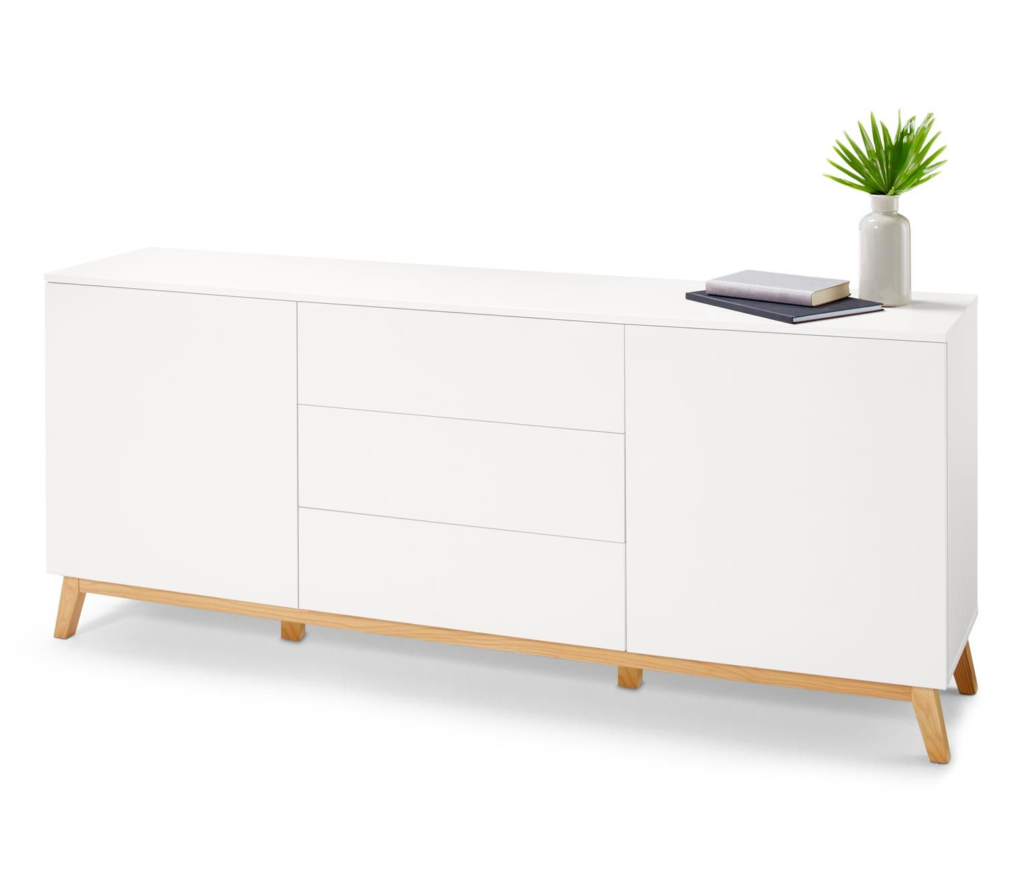
A sideboard is one of the most versatile furniture pieces you can add to your home. Originally designed as a dining room storage unit, modern sideboards have evolved into multifunctional furnishings that enhance organization, aesthetics, and functionality across different spaces. Whether you are furnishing a new home or upgrading your interiors, understanding how to select the right sideboard can help you create a balanced and practical living environment. Today, many homeowners prefer to buy a sideboard online because it offers access to a wider range of styles, sizes, and customization options than traditional retail stores.
What Is a Sideboard?
A sideboard is a versatile, low-profile storage cabinet that typically combines drawers, shelves, and enclosed cupboards within a single piece of furniture. Originally designed for dining rooms to store crockery, cutlery, table linens, and serving essentials, sideboards have evolved into multifunctional furnishings that suit a wide range of modern living spaces.
Today, sideboards are commonly used in:
- Living rooms
- Entryways
- Hallways
- Bedrooms
- Home offices
Their adaptability makes them one of the most functional furniture investments for modern homes.
Why Sideboards Are Essential in Modern Interiors
Contemporary homes increasingly prioritize efficient use of space. A well-chosen sideboard provides valuable storage while contributing to the overall design aesthetic.
Some key advantages include:
- Clutter reduction
- Additional storage capacity
- Decorative display space
- Improved room organization
- Enhanced visual appeal
Unlike bulky storage units, sideboards offer functionality without overwhelming a room.
Understanding Different Types of Sideboards
Before selecting a sideboard, it is important to understand the various styles available.
1. Traditional Sideboards
These feature classic detailing, rich wood finishes, and timeless craftsmanship. They work well in formal dining rooms and traditional interiors.
2. Modern Sideboards
Characterized by clean lines, minimal ornamentation, and sleek finishes, modern sideboards complement contemporary living spaces.
3. Mid-Century Sideboards
Inspired by mid-century design principles, these pieces often incorporate tapered legs, geometric forms, and natural wood tones.
4. Industrial Sideboards
By combining metal frames with wood surfaces, industrial designs create a bold, urban aesthetic.
Choosing the right style depends on your home’s overall design theme.
Measure Your Space Carefully
One of the most common mistakes homeowners make is selecting furniture without considering room dimensions.
Before purchasing a sideboard:
- Measure available wall space
- Consider door and drawer clearance
- Evaluate walking pathways
- Account for nearby furniture placement
A sideboard should fit comfortably within the room while maintaining proper circulation space.
Determine Your Storage Needs
Storage requirements vary significantly between households.
Ask yourself:
1. What Will Be Stored?
Possible items include:
- Dinnerware
- Glassware
- Table linens
- Books
- Electronics
- Decorative accessories
2. Do You Need Drawers or Cabinets?
Drawers are ideal for smaller items, while cabinets work better for larger objects.
3. Will It Serve Multiple Functions?
Many homeowners use sideboards as both storage units and display surfaces.
Clearly identifying storage needs helps narrow down suitable options.
Choosing the Right Material
The material of a sideboard influences durability, appearance, and maintenance requirements.
1. Solid Wood
Solid wood remains one of the most popular choices due to its longevity and timeless appeal.
Common options include:
- Oak
- Walnut
- Teak
- Ash
2. Engineered Wood
Engineered wood offers a cost-effective alternative while providing design flexibility.
3. Metal and Glass
These materials are often used in contemporary and industrial interiors to create a lighter visual effect.
The ideal material should complement existing furniture and support long-term use.
Matching the Sideboard to Your Interior Style
A sideboard should feel integrated into the overall design of the room.
Consider:
- Color palette
- Flooring materials
- Existing furniture finishes
- Lighting elements
- Architectural details
Rather than matching every piece exactly, aim for visual harmony through complementary textures and finishes.
Pay Attention to Functionality
Modern sideboards often include features designed to improve everyday convenience.
Popular options include:
- Soft-close drawers
- Adjustable shelving
- Hidden storage compartments
- Cable management systems
- Built-in lighting
These features can significantly enhance usability while maintaining a clean appearance.
The Benefits of Shopping Online
Furniture shopping has changed dramatically with the growth of e-commerce platforms.
Many homeowners choose to buy a sideboard online because it allows them to:
- Compare designs easily
- Access larger collections
- Review detailed specifications
- Read customer feedback
- Explore customization options
Online shopping also enables buyers to evaluate different styles and price points without visiting multiple stores.
How Color Influences Design Impact
Color plays a significant role in determining how a sideboard interacts with its surroundings.
1. Light Finishes
Lighter wood tones can make smaller rooms feel more open and airy.
2. Dark Finishes
Darker finishes add sophistication and create stronger visual contrast.
3. Neutral Colors
Neutral shades offer versatility and work well with evolving décor styles.
Selecting the right color helps ensure the sideboard remains relevant as interior trends change.
Styling Your Sideboard
A sideboard can serve as a focal point when styled thoughtfully.
Popular decorative elements include:
- Artwork
- Mirrors
- Table lamps
- Decorative trays
- Indoor plants
- Sculptural accessories
The key is balancing visual interest without overcrowding the surface.
Long-Term Value Considerations
Furniture should be viewed as a long-term investment rather than a short-term purchase.
When evaluating a sideboard, consider:
- Construction quality
- Material durability
- Storage versatility
- Timeless design
- Maintenance requirements
Well-crafted furniture often retains its functionality and aesthetic appeal for many years.
Conclusion
Choosing the right sideboard involves more than selecting an attractive design. By evaluating size, storage requirements, material quality, functionality, and overall style compatibility, homeowners can invest in a piece that enhances both practicality and aesthetics. As furniture shopping continues to evolve, exploring buffets and sideboards online in Dubai can provide access to a diverse selection of designs suited to modern lifestyles and interior preferences.
In this context, Opel Home has established itself as a destination for thoughtfully designed furniture that blends functionality with contemporary aesthetics. The brand focuses on creating pieces that reflect modern living needs while emphasizing craftsmanship, comfort, and quality. Its curated collections help homeowners design stylish, organized, and welcoming spaces that stand the test of time. learn more effective blogs.