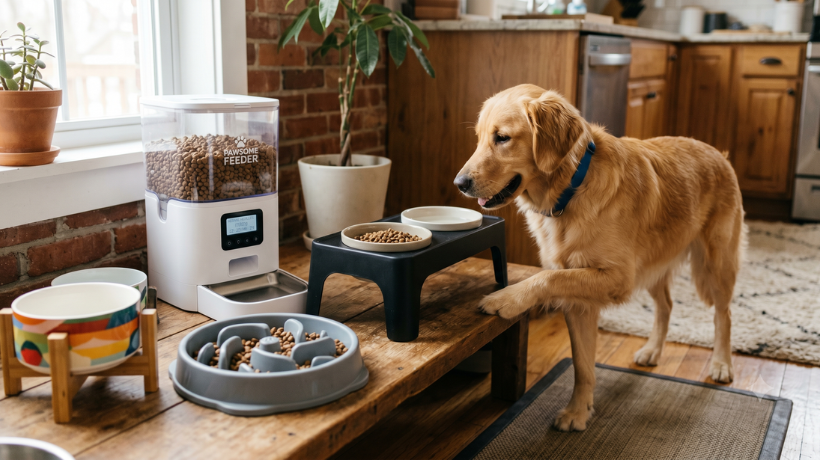

Feeding your dog may seem simple, but the feeder you choose can have a bigger impact on your pet’s health and daily routine than many owners realize. The right feeding setup can help control portions, reduce mess, improve digestion, and make mealtimes more enjoyable. With so many options available, finding the Best Dog Feeders for your pet can feel overwhelming.
This guide explains the different types of feeders, key features to look for, and how to select the perfect feeding solution based on your dog’s size, age, and eating habits.
Why the Right Dog Feeder Matters
A dog feeder is more than just a bowl. It plays an important role in your dog’s feeding experience. Poor-quality feeders may tip over, create unnecessary mess, or encourage unhealthy eating habits.
A well-designed feeder can:
- Promote better eating posture
- Help manage food portions
- Reduce food waste
- Prevent spills and messes
- Support healthier digestion
- Make feeding more convenient for owners
Choosing the right feeder can improve both your pet’s comfort and your daily routine.
Types of Dog Feeders Available Today
Modern pet owners have access to a wide range of feeding solutions. Understanding the differences can help you make a better buying decision.
Standard Dog Feeders
Traditional feeding bowls remain one of the most popular options. They are simple, affordable, and available in various materials such as stainless steel, ceramic, and plastic.
Stainless steel bowls are often preferred because they are durable, easy to clean, and resistant to bacteria buildup.
Elevated Dog Feeders
Elevated feeders raise food and water bowls off the ground. These feeders can be helpful for larger breeds, senior dogs, and pets with mobility issues.
Many owners choose elevated feeders to provide a more comfortable feeding position.
Slow Feed Dog Feeders
Some dogs eat too quickly. Fast eating can lead to bloating, discomfort, and digestive issues.
Slow feeders contain ridges or patterns that encourage dogs to eat at a slower pace. This promotes healthier digestion and extends mealtime.
Automatic Feeders
Automatic feeders dispense food at scheduled times. These feeders are ideal for busy households and can help maintain a consistent feeding routine.
Many models allow owners to control meal portions throughout the day.
Factors to Consider When Choosing a Dog Feeder
Not every feeder works for every dog. Before making a purchase, consider the following factors.
Dog Size
A feeder designed for a Chihuahua may not work well for a Great Dane. Choose a feeder that matches your dog’s size and eating capacity.
Large dogs typically require deeper bowls and sturdier feeder designs.
Age
Puppies, adult dogs, and senior dogs have different feeding needs.
Senior dogs may benefit from elevated feeders that reduce strain on joints and neck muscles. Puppies often require durable feeders that can withstand playful behavior.
Eating Habits
Observe how your dog eats.
If your pet finishes meals within seconds, a slow feeder may be the best option. If your dog grazes throughout the day, an automatic feeder may provide better portion management.
Material Quality
The material of the feeder affects durability and cleanliness.
Common materials include:
- Stainless steel
- Ceramic
- Plastic
Stainless steel is generally considered the safest and most durable option for everyday use.
Ease of Cleaning
Food residue can quickly attract bacteria.
Look for feeders with removable components and dishwasher-safe parts whenever possible.
Dog Feeder and Water Stations: A Convenient Option
Many pet owners prefer a combined dog feeder and water station instead of separate bowls.
These systems offer several advantages:
- Organized feeding area
- Reduced clutter
- Easy access to food and water
- Better space management
- Convenient refilling
A quality dog feeder and water station can be especially useful in homes with multiple pets. It creates a dedicated feeding space while keeping bowls secure and stable.
Some modern systems also include storage compartments for food, helping owners keep supplies close to feeding areas.
Common Feeding Mistakes to Avoid
Even the best feeder cannot compensate for poor feeding habits.
Overfilling the Bowl
Many owners leave large amounts of food available all day. This can contribute to overeating and weight gain.
Measure meals according to your veterinarian’s recommendations.
Ignoring Portion Control
Portion control is important for maintaining a healthy weight.
Using feeders with built-in measurement guides can help reduce accidental overfeeding.
Using Damaged Feeders
Cracked plastic bowls can harbor bacteria and become difficult to clean.
Inspect feeders regularly and replace damaged products when necessary.
Inconsistent Feeding Schedules
Dogs thrive on routine. Feeding at different times every day can create stress and confusion.
A consistent schedule supports healthy eating habits.
How to Maintain and Clean Your Dog Feeder
Proper maintenance helps protect your dog’s health.
Daily Cleaning
Wash food and water bowls every day using warm water and pet-safe soap.
This removes food particles and helps prevent bacterial growth.
Weekly Deep Cleaning
Disassemble feeder components when possible and clean all hidden areas.
Pay special attention to corners, seams, and storage compartments.
Check for Wear and Tear
Look for:
- Cracks
- Rust
- Loose parts
- Sharp edges
Replacing worn feeders promptly helps maintain a safe feeding environment.
Choosing the Best Dog Feeder for Different Dog Types
For Puppies
Choose durable feeders with non-slip bases. Puppies often push bowls around during meals.
For Large Breeds
Large breeds may benefit from elevated feeders that provide greater comfort during feeding.
For Fast Eaters
Slow feeders can help reduce gulping and improve digestion.
For Senior Dogs
Comfort becomes increasingly important as dogs age. Elevated feeders can reduce neck and joint strain.
For Busy Owners
Automatic feeders help maintain feeding consistency even when schedules become hectic.
Final Thoughts
The Best Dog Feeders combine convenience, durability, safety, and comfort. The ideal choice depends on your dog’s size, age, eating style, and your household routine.
Take time to evaluate your pet’s specific needs before making a purchase. Whether you choose a traditional bowl, a slow feeder, or a complete dog feeder and water station, investing in the right feeding solution can improve your dog’s daily life and make mealtimes easier for everyone in the home.
Frequently Asked Questions
1. What are the best dog feeders for everyday use?
Stainless steel feeders are often considered among the best dog feeders because they are durable, easy to clean, and resistant to bacteria.
2. Is a dog feeder and water station worth buying?
Yes. A dog feeder and water station helps organize feeding areas, reduces clutter, and provides convenient access to food and water.
3. Are elevated feeders better for dogs?
Elevated feeders can benefit larger breeds, senior dogs, and pets with mobility issues by providing a more comfortable eating position.
4. How often should I clean my dog’s feeder?
Food and water bowls should be cleaned daily, while a deeper cleaning should be performed weekly.
5. Can automatic feeders help with portion control?
Yes. Many automatic feeders allow owners to schedule meals and control serving sizes, helping prevent overfeeding.
Read More: Dog Water Feeder Benefits: Keeping Your Dog Hydrated with Less Effort Every Day
Read More: Crunchy Dog Treats: Why Dogs Love Them and Which Ones Are Healthiest