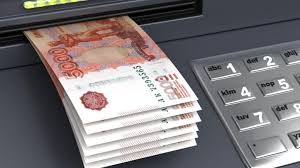

Quick answer: Foreigners in Russia can manage their finances by opening a local bank account with major institutions like Sberbank or Tinkoff and using the domestic MIR payment system for daily transactions. Because of strict banking regulations and sanctions, expats must rely on SWIFT alternatives, friendly-country routing, or digital assets for international transfers. You should also carry physical cash in rubles for emergencies.
Navigating the financial landscape in a new country is always a complex process. For expats living in Russia, the financial system has undergone massive changes in recent years. International sanctions and shifting economic policies mean that the usual methods of managing money do not always apply. Foreigners need to adapt quickly to local payment systems, understand new banking regulations, and find creative ways to move their money across borders.
This guide provides a detailed look at how to handle the banking and financial systems in Russia. You will learn the exact steps to open an account, the best ways to handle daily spending, and how regional work setups impact your financial life.
How Does Your Income from Work In Belarus Affect Russian Banking?
Many expats operate across the border, meaning they might earn income in neighboring countries. If you handle Work In Belarus while living or banking in Russia, you benefit from the close economic integration between the two nations. Russia and Belarus operate under a Union State agreement, which makes financial transfers between the two countries relatively smooth compared to the rest of the world.
Income earned in Belarusian rubles can easily be converted and transferred into a Russian bank account. Major banks in both countries use compatible payment networks. This integration reduces the friction typically associated with cross-border expat finance. However, you must still report foreign income to the Russian tax authorities if you hold tax residency status in Russia (spending more than 183 days a year in the country).
Can you work in belarus for foreigners and hold a Russian bank account?
Yes, you can absolutely pursue work in Belarus for foreigners and simultaneously maintain a Russian bank account. Many international professionals split their time or business operations across Eastern Europe. To keep your Russian bank account active while working in Belarus, you simply need to ensure your legal registration in Russia remains valid.
Banks in Russia require foreign clients to update their migration cards and temporary registration documents regularly. If you travel to Belarus for a work contract, your Russian registration might reset upon crossing the border. Always visit your local Russian bank branch with your updated entry documents to prevent your account from being temporarily frozen due to outdated compliance data.
What are the best ways to open a Russian bank account as an expat?
Opening a Russian bank account is surprisingly fast if you prepare the right documents. Local banks like Tinkoff (now T-Bank) and Sberbank offer highly developed mobile apps and customer service. Choose Tinkoff if you prefer entirely online banking with card delivery to your door. Choose Sberbank if you value having physical branches nearby.
To open an account, you generally need the following documents:
- Your original passport.
- A notarized Russian translation of your passport.
- A valid Russian visa (if applicable to your nationality).
- Your migration card (received at the border).
- Your proof of temporary registration in Russia.
- A local Russian SIM card for two-factor authentication.
Once approved, the bank will issue a debit card linked to the MIR payment system. Visa and Mastercard issued outside of Russia no longer work inside the country, making a local MIR card essential for buying groceries, paying rent, and using local transit.
How can foreigners navigate international transfers and SWIFT alternatives?
Moving money in and out of Russia is the biggest hurdle for expats today. Traditional international transfers using the SWIFT network are largely unavailable due to global sanctions. To solve this problem, you must utilize SWIFT alternatives.
One common method involves routing money through banks in “friendly” countries, such as Kazakhstan, Armenia, or Georgia. Expats often open an account in one of these intermediate countries, send funds there via SWIFT, and then transfer the money into their Russian bank account using local correspondent banking channels.
Another highly popular method for expats is using cryptocurrency. Stablecoins linked to the US Dollar allow foreigners to send value across borders instantly. You can then sell the digital assets on peer-to-peer exchanges and receive Russian rubles directly to your Tinkoff or Sberbank card.
What are some helpful tips for daily currency exchange and spending?
Managing your daily spending requires a few adjustments to your normal routine. Here are some practical tips to keep your finances running smoothly:
- Always carry cash: While mobile payments are popular, physical currency exchange is still the most reliable backup. Bring major foreign currencies like US Dollars or Euros in pristine, unwrinkled condition to exchange at local bank branches.
- Use the Bank of Russia exchange rate: When exchanging money, check the official daily rate set by the Central Bank of Russia. Compare this with the rate offered by local bank branches to ensure you get a fair deal.
- Download local payment apps: Since Apple Pay and Google Pay do not support Russian cards, download Mir Pay (for Android users) to make contactless payments with your smartphone.
Final Words on Expat Finance in Russia
Handling your finances in Russia requires patience, preparation, and flexibility. By opening a local bank account immediately upon arrival and learning how to navigate SWIFT alternatives, you can live comfortably and manage your money effectively. Stay informed about local banking regulations, keep your documentation up to date, and always maintain a cash reserve for unexpected situations.
Frequently Asked Questions (FAQ)
What is the MIR payment system and why do I need it?
The MIR payment system is Russia’s domestic financial network. Because foreign-issued Visa and Mastercard do not work inside Russia, you must use a MIR-compatible card to pay for goods, services, and online purchases within the country.
Can I withdraw US Dollars or Euros from an ATM in Russia?
No, it is currently very difficult to withdraw foreign currency from Russian ATMs. Bank accounts holding foreign currency are subject to strict withdrawal limits imposed by the Central Bank. You will generally only be able to withdraw Russian rubles.
Is it safe to use cryptocurrency for transfers in Russia?
Yes, many expats use cryptocurrency peer-to-peer (P2P) platforms to move funds. It is currently a legal and highly utilized method for bypassing restricted international payment networks, provided you use reputable platforms and trade with verified local buyers.
Do I need to pay taxes in Russia if my income comes from abroad?
If you stay in Russia for more than 183 days in a calendar year, you become a Russian tax resident. At that point, you are legally required to report your global income to the Russian Federal Tax Service and pay the applicable flat income tax rate.