
Quick answer: Foreigners living and working in Russia stay safe by keeping their documents in order, registering their stay within seven days, learning basic Russian, avoiding political gatherings, and keeping emergency contacts close. Respecting local laws and customs goes a long way toward a smooth, secure experience.
Moving to a new country is exciting, but it also comes with a learning curve. Russia is a vast nation with rich culture, friendly people, and plenty of career opportunities. Still, the rules, language, and daily customs can feel unfamiliar at first.
This guide breaks down practical safety tips for foreigners settling into life in Russia. You’ll learn how to handle paperwork, stay healthy, protect your money, and avoid common mistakes. We’ll also touch on nearby options like work opportunities in neighboring countries, plus answer the questions newcomers ask most.
Let’s make your move safer and simpler.
Why Safety Planning Matters for Expats
Russia welcomes thousands of skilled foreign workers each year, from teachers and engineers to IT specialists. Like any large country, safety depends on where you live, how prepared you are, and how well you understand local rules.
Some expats also weigh their options across the region. For example, work in Belarus appeals to those who want a quieter pace and lower living costs, while Russia offers bigger cities and a wider job market. Whichever you choose, the safety basics overlap: sort your visa, register your residence, and respect local laws.
Here’s why planning ahead matters:
- Strict documentation rules. Authorities take residence registration and visa compliance seriously. Slip-ups can lead to fines or deportation.
- Language barriers. English is not widely spoken outside major cities. Knowing a few Russian phrases keeps you safer in emergencies.
- Climate challenges. Russian winters are long and harsh. Being unprepared for the cold is a real safety risk.
Good preparation turns most of these challenges into minor speed bumps.
Top Safety Tips for Living in Russia
These tips apply whether you settle in Moscow, St. Petersburg, or a smaller city. Many also carry over if you ever explore work in Belarus for foreigners, since both countries share similar bureaucratic systems.
Keep Your Documents Safe and Legal
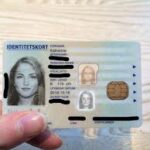
Your passport, visa, and migration card are your lifeline. Always carry a copy and store the originals somewhere secure.
- Register your stay with local authorities within seven working days of arrival.
- Keep your migration card with you—you’ll need it when you leave.
- Make digital backups of all key documents in case of loss or theft.
Learn Basic Russian
A little language goes a long way. Russians appreciate the effort, and it helps in emergencies when English may not work.
- Learn phrases for directions, help, and medical needs.
- Download a translation app that works offline.
- Save important addresses written in Russian on your phone.
Stay Aware in Public Spaces
Big cities are generally safe, but petty crime like pickpocketing happens in crowded areas.
- Keep valuables out of sight on public transport.
- Use official taxis or trusted ride apps instead of unmarked cars.
- Avoid poorly lit areas late at night.
Handle Money Wisely
Protecting your finances is part of staying safe.
- Use ATMs inside banks or malls rather than on the street.
- Carry small amounts of cash and rely on cards where possible.
- Watch out for currency exchange scams—use licensed exchange offices.
Take Care of Your Health
Healthcare quality varies, so plan ahead.
- Get comprehensive health funds before you arrive.
- Keep a list of nearby clinics and hospitals.
- Pack any prescription medication with proper documentation.
Respect Local Laws and Customs
Rules can be stricter than what you’re used to back home.
- Avoid political demonstrations and large public protests.
- Don’t photograph military or government buildings.
- Carry identification at all times, as police can request it.
Helpful Tips for a Smooth Transition
Beyond safety basics, these extra habits help foreigners settle in faster:
- Build a local network. Connect with expat communities online and in person. They share advice you won’t find in guidebooks.
- Dress for the weather. Invest in quality winter clothing—proper boots, a warm coat, and thermal layers.
- Keep emergency numbers handy. In Russia, dial 112 for emergencies.
- Open a local bank account. It simplifies rent, bills, and salary payments.
- Track visa deadlines. Set phone reminders so you never miss a renewal or registration date.
Frequently Asked Questions
Is Russia safe for foreigners to live and work in?
Yes, Russia is generally safe for foreigners, especially in major cities. Most risks come from paperwork mistakes or language barriers rather than violence. Staying legal, prepared, and aware keeps day-to-day life secure.
What documents do foreigners need to work in Russia?
Foreigners typically need a valid passport, a work visa, a work permit, and a migration card. You must also register your residence within seven working days of arriving. Always keep copies of these documents on hand.
How does working in Russia compare to work in Belarus for foreigners?
Russia offers larger cities and a broader job market, while Belarus tends to have lower living costs and a slower pace. Both countries have similar registration rules, so the safety and paperwork basics are much the same.
Do I need to speak Russian to work there?
It helps a lot. Some international companies operate in English, but most daily tasks—shopping, healthcare, and transport—run in Russian. Learning the basics improves both your safety and your comfort.
What should I do in an emergency in Russia?
Dial 112, the national emergency number, which connects you to police, fire, and medical services. Keep your address written in Russian and have a translation app ready in case of a language barrier.
Final Words
Living and working in Russia can be a rewarding adventure when you plan ahead. The key is simple: keep your documents legal, respect local laws, prepare for the climate, and learn enough Russian to handle daily life. These small steps protect your safety and help you feel at home faster.
If you’re still comparing destinations across the region, weigh your priorities—job market, cost of living, and lifestyle. Wherever you land, smart preparation makes all the difference.