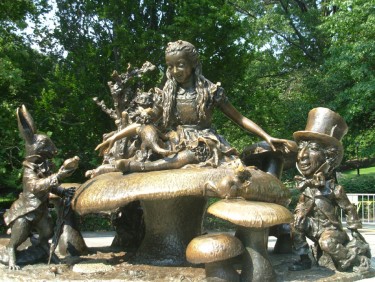

Children’s bronze sculptures bring a natural sense of warmth and character to living spaces and gardens. These pieces often reflect playful moments, curiosity, or calm expressions that feel relatable in everyday surroundings. Choosing the right sculpture depends on space, style, and long-term placement. A thoughtful selection helps create a balanced and visually pleasing environment at home or outdoors.
Understand the Placement First
Before selecting children’s bronze sculptures, it helps to decide where the piece will be placed, since location influences size, detail, and style.
Indoor Spaces
Indoor areas like living rooms or entryways work well with smaller sculptures that do not dominate the room. A compact design fits shelves, corners, or side tables while still adding visual interest. Smooth finishes and simple themes work better indoors because they blend with furniture and lighting.
Outdoor Spaces
Gardens and patios allow larger children’s bronze sculptures that can stand as focal points among plants or pathways. Outdoor placement needs durable designs that handle sunlight and rain without losing detail. Positioning near greenery or water features often enhances the sculpture’s natural feel.
Choose a Theme That Matches the Environment
Theme selection shapes how the sculpture interacts with its surroundings. Playful themes, such as children running or reading, create a light mood, especially in family spaces. Calm or reflective poses suit quieter areas like reading corners or garden seating spots. A consistent theme helps the sculpture feel naturally placed rather than decorative alone.
Focus on Size and Proportion
Size plays a key role when selecting children’s bronze sculptures for any space. Large gardens can support tall or wide figures that stand out clearly from a distance. Smaller indoor areas require compact designs that maintain visual balance without crowding the room. The sculpture should complement surrounding objects rather than compete with them.
Pay Attention to Detail and Finish
Bronze sculptures vary in surface texture, facial expression, and finishing tone. Fine detailing works well in open spaces where viewers can observe from multiple angles. A smoother finish often suits indoor settings where lighting is controlled. The natural ageing of bronze also adds depth over time, which makes each piece visually evolve.
Match with Existing Decor Style
A sculpture should align with the overall design style of the space. Modern interiors pair well with simple and minimal forms. Traditional gardens often suit detailed and expressive figures. When children’s bronze sculptures match the surrounding style, they create visual harmony and avoid looking out of place.
Consider Long-Term Placement
Bronze offers durability, which makes it suitable for long-term installation in both indoor and outdoor environments. Outdoor sculptures may need stable bases to remain secure in changing weather conditions. Indoor pieces require only basic care, making them easy to maintain while preserving their appearance for years.
Conclusion
Children’s bronze sculptures add personality and meaning to both homes and gardens when chosen with care. Placement, size, theme, and finish all influence how the piece interacts with its surroundings. A well-selected sculpture blends naturally into the space and continues to hold visual and emotional value over time.