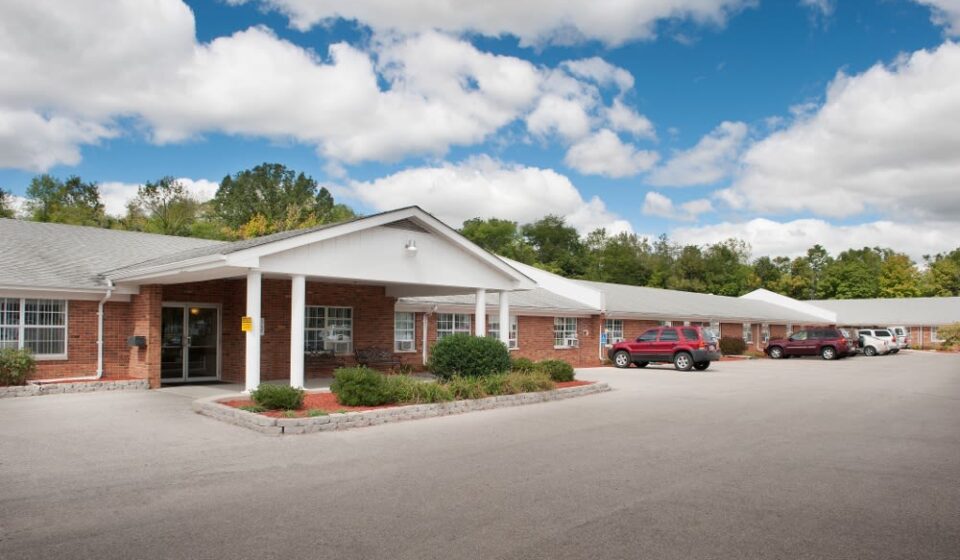

Many people struggle to recognize when substance use or mental health issues require professional treatment. Symptoms often develop slowly and affect work, relationships, and emotional health over time. A residential treatment center in Albany can provide structured care, medical support, and therapy in a safe setting for individuals who need them. Understanding the warning signs helps people seek treatment before their condition becomes more difficult to manage.
What Is a Residential Treatment Center?
A residential treatment center in Albany provides full-time care for individuals dealing with addiction, mental health conditions, or both. Patients stay at the facility while receiving therapy, medical supervision, and daily support. Unlike outpatient programs, residential treatment offers a structured environment that removes outside distractions and triggers. Treatment plans often include detox support, individual counseling, group therapy, relapse prevention, and mental health care.
Common Signs Someone May Need Residential Treatment
Several emotional, physical, and behavioral changes may indicate the need for professional treatment. Recognizing these symptoms early can improve recovery outcomes and reduce long-term health risks.
Inability to Stop Using Substances
A common warning sign involves repeated failed attempts to quit alcohol or drug use. Some individuals continue using substances even after experiencing health, financial, or relationship problems. Strong cravings and loss of control may also increase substance use frequency. When someone struggles to manage use independently, residential treatment may provide the support they need.
Withdrawal Symptoms
Withdrawal symptoms often appear when the body becomes dependent on a substance. These symptoms can become severe without medical supervision. Common withdrawal symptoms include:
- Anxiety
- Sweating
- Nausea
- Insomnia
- Irritability
- Tremors
Medical professionals at a residential treatment center in Albany can monitor symptoms and provide safer detox support.
Mental Health Symptoms Are Getting Worse
Mental health conditions often become more difficult to manage alongside substance use. Many individuals experience anxiety, depression, mood swings, or trauma-related symptoms during addiction. Some people isolate themselves from family and friends while struggling emotionally. Residential treatment programs often address both addiction and mental health conditions together through dual diagnosis care.
Daily Responsibilities Are Being Neglected
Addiction and mental health conditions can affect daily functioning over time. Many people begin to miss work, avoid responsibilities, or struggle financially. Other signs may include:
- Poor work performance
- Frequent absences
- Relationship conflicts
- Declining personal hygiene
- Loss of interest in daily activities
These changes often indicate that outside support and structured treatment may help stabilize daily life.
Increased Risky Behavior
Substance use may increase the likelihood of dangerous or impulsive behavior. Some individuals drive under the influence or make unsafe decisions while intoxicated. Risky behavior can also involve aggression, overdose risks, or unsafe social situations. Continuing substance use despite serious consequences often signals the need for professional intervention.
Conclusion
Substance use and mental health conditions can affect every part of daily life when left untreated. Recognizing symptoms early helps individuals access the right level of care before problems become more severe. A residential treatment center in Albany provides structured support, therapy, and medical care for people who need professional treatment. Seeking help early can improve recovery outcomes and support long-term emotional and physical health.