
When people sit at a table, they expect a clean and neat space. Direct contact from cups, spoons, and plates can leave small stains that are not always visible at first. Over time, these marks grow and affect how the table looks during service. A clean surface helps food look more appealing, while a damaged surface creates a less fresh feeling. This is why many food spaces try to reduce direct contact. Simple layers placed on the surface help keep the original look safe. Even a short meal service can leave behind marks that are hard to clean fully later.
How does surface contact affect clean presentation?
Customer seating experience begins with table appearance, and every interaction with surface influences perception of cleanliness and order within dining space. Direct contact from cups, spoons, plates, and serving items creates small stains that may remain unnoticed during initial moments but gradually affect visual presentation during ongoing service. Clean surface supports food appearance by creating neutral background, while damaged surface reduces freshness impression even when food quality remains high.
What role does protection play in guest experience?
Guest experience includes food quality, service behavior, and surrounding environment where table condition plays a silent but important role in shaping overall impression. A clean surface creates a comfort feeling for guests when seating begins, while visible marks or stains reduce comfort level even before food arrives. Protection creates a stable and smooth base that supports organized dining experience and helps staff manage service tasks with reduced cleaning interruptions. Consistent table condition builds sense of care within service space and improves trust between guests and business environment.
How does visual order improve table safety perception?
Visual order on the table creates an immediate impression of cleanliness and safety for guests entering the dining space and preparing for a food experience. Structured appearance supports psychological comfort because a clean arrangement reduces concerns about hygiene and surface quality. Even minor disorders or visible stains can create doubt in the minds of customers regarding the overall cleanliness standards of the service environment. Consistent surface appearance helps build trust and allows guests to focus on food experience rather than the surrounding conditions. Protective layers support this visual stability by maintaining uniform surface conditions throughout service hours.
What makes light protection important for busy food spaces?
Busy food environments require systems that support speed, efficiency, and cleanliness without creating additional workload for service teams during high customer flow periods. Light protection methods help maintain table readiness through a simple replacement process instead of repeated deep cleaning after each customer interaction. Surface layers can be changed quickly, which reduces waiting time for the next guest and keeps the service cycle continuous. During peak hours, tables require rapid reset methods that do not interrupt workflow or slow down the seating arrangement process. Light protection supports a balanced approach where cleanliness and speed remain aligned.
How can paper-based solutions support daily service flow?
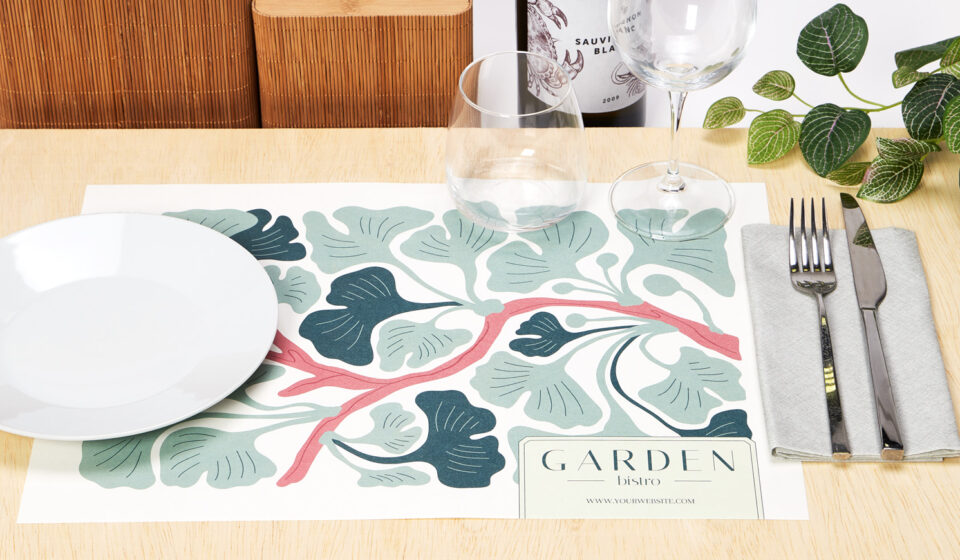
Paper-based surface solutions support daily service flow by reducing cleaning time, simplifying table reset process, and maintaining consistent hygiene level across service areas. Staff members can replace surface layers quickly after each guest, which allows uninterrupted movement between seating cycles and food delivery tasks. One common example includes restaurant use of custom paper placemats, which helps maintain surface cleanliness while also supporting a structured dining arrangement. Such solutions reduce direct contact between food items and table surface, which improves hygiene control without requiring additional cleaning tools or complex maintenance steps.
Why do modern restaurants prefer simple surface layers?
Modern dining environments focus on efficiency, visual consistency, and service speed, which creates demand for simple surface management systems that do not interrupt daily operations. Simple surface layers help reduce cleaning workload while maintaining consistent appearance across multiple seating cycles. Staff members can manage table resets quickly, which allows focus on customer interaction instead of repetitive cleaning tasks. Modern service spaces prefer straightforward solutions because complexity slows down workflow and increases operational pressure. Simple layers support uniform table presentation across busy hours and help maintain steady service rhythm.
How does a restaurant use printed paper to improve table care?
Use of custom placemats supports structured table care by creating a protective layer between food items and surface, which reduces direct exposure to stains, heat, and moisture during dining activity. This method helps maintain table condition for longer periods while reducing cleaning frequency required between customer cycles. Staff members can replace placemats quickly, which keeps service processes efficient and organized without unnecessary delay. Surface protection through such methods also improves hygiene perception among guests because a clean and fresh layer remains visible at the start of each seating.
What makes disposable surface layers practical for service teams?
Disposable surface layers provide a practical advantage for service teams because the replacement process remains simple, fast, and does not require extended cleaning procedures between customer seating cycles. Each layer can be removed immediately after use, which allows table reset within a short time frame and supports continuous service flow during busy hours. Reduced cleaning requirement allows staff members to focus more on guest interaction and food delivery rather than repetitive maintenance tasks. These layers also support consistent hygiene standards across service areas because fresh surface remains available for each new guest.
How does branding connect with surface protection choices?
Brand identity connects with surface protection choices because table appearance directly influences customer perception of overall service quality and attention to detail within the dining environment, custom paper placemats with logo. Clean and structured table presentation creates a positive impression that strengthens trust between customer and business. Some businesses use surface layers to maintain consistent visual identity across service space, which supports recognition without direct advertising approach. Design consistency across tables helps create a unified environment experience that customers remember after visiting.
Why do businesses choose Wax Papers Hub for surface care solutions?
Many food businesses look for reliable solutions that support daily operations without adding complexity to service workflow. One frequently used source remains Wax Papers Hub, which provides consistent support for surface care needs across different types of food service environments. Startups and established restaurants use printed wrapping paper solutions to maintain clean table setups while reducing effort required for maintenance and cleaning routines.