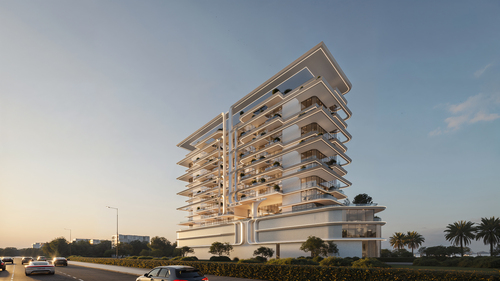

Hotel design in Dubai is among the most competitive and demanding briefs in global hospitality architecture. A city that hosts over 16 million tourists annually and is home to some of the world’s most celebrated hotel properties requires hotel architects who combine creative ambition with operational intelligence and material sophistication. Znera Space, one of Dubai’s recognized architecture offices in Dubai, approaches hospitality architecture through the same philosophy that drives its residential, commercial, and civic work: curating exceptional spatial experiences through the juxtaposition of materials, scales, and spatial conditions.
What Hotel Architects Must Deliver
A hotel is simultaneously a machine and an experience. Hotel architects must resolve the tensions between these two demands: the operational precision of a complex service building and the emotional resonance of a memorable guest environment.
Arrival and First Impression
The moment of arrival is the most critically designed sequence in any hotel. Hotel architects control scale, light, materiality, and view to establish an immediate emotional response that sets the guest’s entire relationship with the property.
Public Area Design
Lobby, restaurant, pool deck, and spa environments are where a hotel’s identity is most visible. Znera Space’s approach to these spaces, moving in and around the work to simultaneously induce perceptions of discontinuity and synthesis, produces public areas that are visually complex and spatially engaging.
Accommodation Design
Room design must balance the personal and the universal: creating environments that feel intimate and private while serving a wide range of guests and accommod-ating the housekeeping and maintenance rhythms of an operational hotel property.
Znera Space’s Hospitality Portfolio
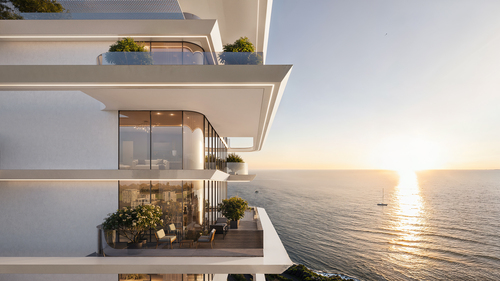
Znera Space has applied its design philosophy to hospitality projects as part of its diverse architectural portfolio. The Taj Hotel project demonstrates the studio’s capacity to engage with one of the world’s most demanding luxury hospitality brands, bringing creative rigour to a brief that requires both architectural distinction and deep respect for a globally recognized brand language.
- Taj Hotel: A luxury hospitality project that required navigating the precise design standards of one of the world’s most celebrated hotel brands
- Hospitality typology projects spanning three completed schemes within Znera Space’s broader 50-project portfolio
- Mixed-use projects including hotel and serviced apartment components within larger development schemes
The Znera Space Design Philosophy in Hospitality
The studio’s founding belief, that architecture represents a juxtaposition of various materials and different levels of representation, finds its most natural expression in hospitality design, where spaces must work simultaneously as backdrops and as protagonists of guest experience.
Material Layering
Hotel architects at Znera Space use material juxtaposition strategically in hospitality projects. Stone against soft textile, polished metal against raw concrete, and warm timber against cool glass create the sensory richness that elevates hospitality environments above the generic.
Spatial Sequencing
Moving through a Znera Space-designed hospitality environment reveals spaces that shift in scale, light quality, and mood in carefully controlled sequence. This designed movement through space is what creates memorable guest experiences that survive beyond the first visit.
Identity Through Distinctiveness
Every hotel architects project at Znera Space aims for architectural identity rather than style neutrality. Properties designed to a distinctive architectural vision become recognizable to guests in ways that generic international hotel design cannot achieve.
Architecture Offices in Dubai: What Znera Space Offers
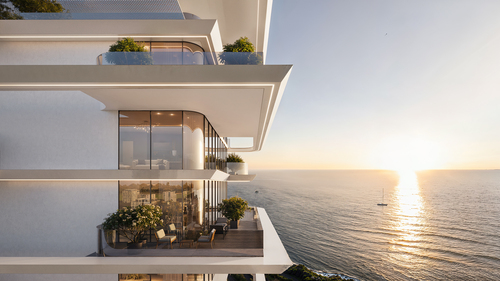
As one of Dubai’s focused architecture offices in Dubai, Znera Space offers a service structure specifically designed for clients who prioritize design quality and senior creative engagement.
Principal-Led Practice
Led by Principal Architects Najmus Chowdhry, Nils Remess, and Zafar Choudhary, Znera Space ensures that every hospitality project receives direction from practitioners with extensive design experience across complex typologies.
Integrated Architecture and Interiors
Znera Space provides architecture and interior design as integrated services. For hotel architects projects, this integration is particularly valuable because it ensures that the spatial experience designed at the architectural scale is continued and enriched at the interior detail level.
Urban Design Capability
Large-format hospitality projects that include landscape, resort masterplan, or mixed-use components benefit from Znera Space’s urban design capability, which creates dynamic environments that embrace innovation with practicality to shape vibrant, interconnected communities.
Znera Space Among Architecture Offices in Dubai
Dubai’s architecture offices in Dubai market encompasses firms of all sizes and origins. Znera Space’s position as a boutique but ambitious studio places it in a specific and valuable position for clients seeking creative distinction alongside professional rigour.
- International project experience extending to India, Finland, and Italy demonstrates design credibility beyond the Dubai market
- Futuristic and civic projects including the Smog Tower, Vertical Mosque, and Guggenheim Helsinki competition entry reflect design ambition that commercial architecture also benefits from
- 50-project portfolio across 26 typological categories provides breadth of experience that enriches every new hospitality commission
Key Considerations for Hotel Developer Clients
When briefing hotel architects in Dubai, developers and operators should structure the conversation around several critical dimensions that determine long-term project success.
- Brief completeness: A detailed operational brief covering brand standards, room mix, F&B concepts, and back-of-house requirements enables the architect to design efficiently from the start
- Design process timing: Engaging hotel architects before land acquisition allows design thinking to inform site selection and maximize development potential
- Integration of brand standards: International hotel brands provide design standards manuals that must be integrated from early concept stages, not retrofitted late in the design process
- Construction budget alignment: Hospitality architecture requires clear cost planning from concept stage to avoid costly value engineering that compromises design quality.
Conclusion
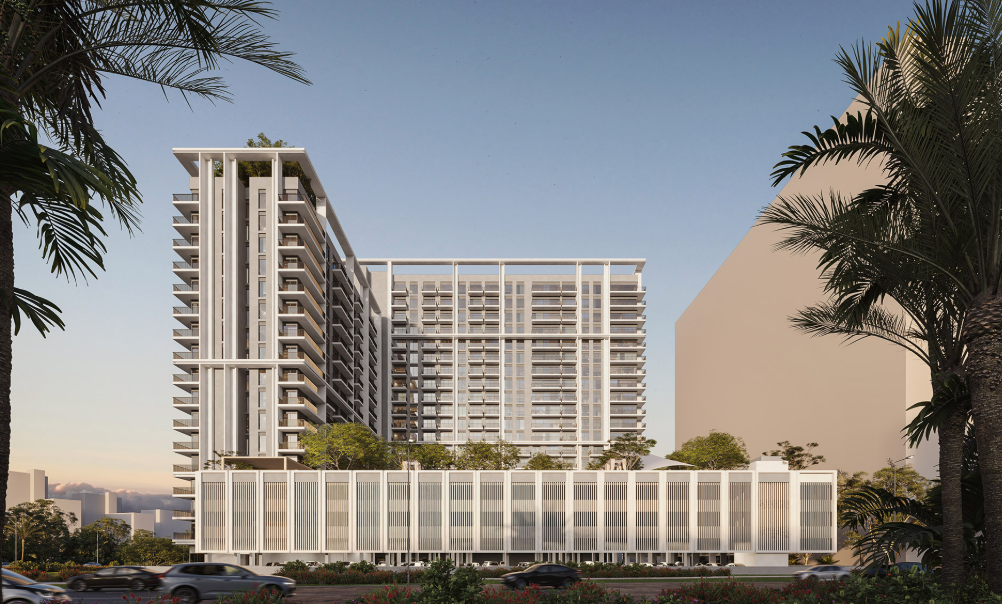
Hotel architects who approach hospitality design with genuine creative ambition and operational intelligence are a rare and valuable resource in any market. Znera Space, one of Dubai’s distinguished architecture offices in Dubai, brings both of these qualities to every hospitality project: the philosophical conviction that exceptional spatial experiences define the best architecture, and the professional capability to deliver those experiences within the complex technical, operational, and regulatory requirements of Dubai’s demanding hotel development environment. For developers and operators seeking architectural partners who take hospitality design as seriously as they take their investment, Znera Space represents a studio built on exactly the right values.