
Starting a construction project can feel overwhelming, especially when permits, property details, and local regulations are involved. One of the first and most important documents you will need is a site plan. Whether you are building a new home, adding a garage, installing a pool, or planning a commercial project, a detailed site plan helps you move forward smoothly.
Many property owners search online to understand how to get a site plan, what information it should include, and why local authorities require it. In this guide, we will explain everything in simple terms, including the difference between a site plan vs plot plan, the role of site plans for permits, and the easiest ways to obtain one for your project.
What Is a Site Plan?
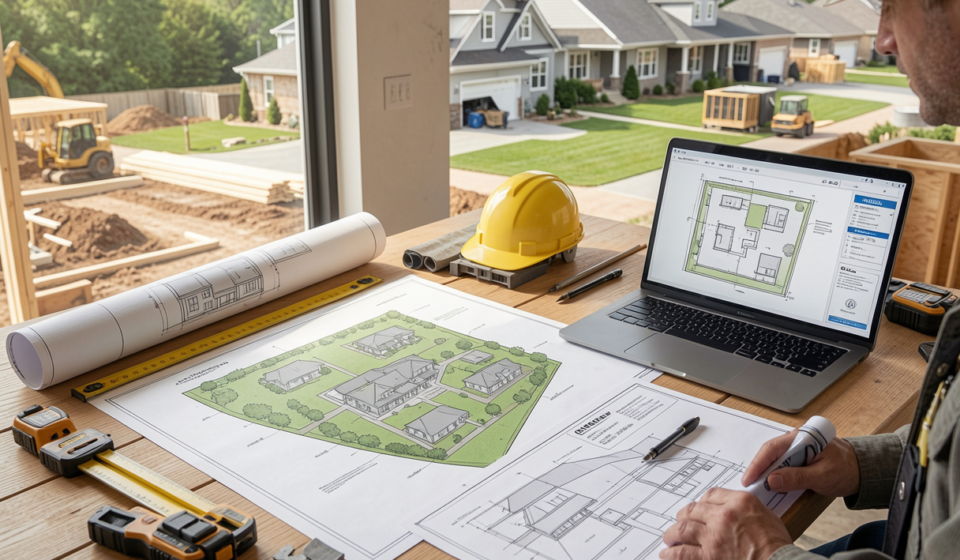
A site plan is a scaled drawing that shows the layout of a property and all existing or proposed structures. It provides a clear overview of the land, property boundaries, buildings, driveways, utility lines, landscaping, setbacks, and other important details.
Contractors, architects, engineers, and local permitting offices use site plans to verify that a construction project follows zoning laws and building codes.
A professional site plan may include:
- Property dimensions
- Existing buildings and structures
- Proposed construction areas
- Driveways and parking spaces
- Utility connections
- Drainage systems
- Landscaping features
- Easements and setbacks
Without a proper site plan, many construction projects cannot receive approval from local authorities.
Site Plan vs Plot Plan: What Is the Difference?
One of the most common questions homeowners ask is about the difference between a site plan vs plot plan. While the terms are often used interchangeably, there are slight differences.
A plot plan usually focuses on a single lot and shows basic property features such as boundaries, structures, and setbacks. It is commonly used for residential permit applications.
A site plan is generally more detailed and may include grading, drainage, utilities, landscaping, and additional engineering information. Site plans are often required for larger residential or commercial projects.
Here is a simple comparison:
| Feature | Plot Plan | Site Plan |
|---|---|---|
| Property Boundaries | Yes | Yes |
| Existing Structures | Yes | Yes |
| Proposed Construction | Yes | Yes |
| Utilities | Limited | Detailed |
| Drainage Information | Rarely | Often Included |
| Landscaping Details | Basic | Detailed |
| Commercial Projects | Sometimes | Commonly Required |
Understanding the difference between a site plan vs plot plan helps property owners choose the correct document for permit approval.
Why Site Plans for Permits Are Important
Local governments require site plans for permits because they help ensure safe and compliant construction. Permit offices review these plans to confirm that a project meets zoning regulations, property setbacks, drainage rules, and utility requirements.
Here are a few reasons site plans for permits are essential:
Compliance With Local Codes
Every city and county has construction regulations. Site plans help officials verify that your project follows these rules.
Preventing Property Disputes
Accurate property lines and setbacks reduce conflicts with neighbors and prevent legal issues.
Utility and Drainage Planning
Proper planning helps avoid flooding, drainage problems, and utility conflicts.
Faster Permit Approval
Detailed and accurate site plans often speed up the permit review process and reduce revision requests.
Without proper site plans for permits, your project could face delays, fines, or permit rejection.
Easy Steps to Get a Site Plan
If you are wondering how to get a site plan for your construction project, the process is simpler than many people think. Follow these easy steps to get started.
1. Gather Property Information
Start by collecting basic information about your property. This may include:
- Property address
- Legal description
- Existing survey documents
- Property deed
- Tax records
- Previous construction plans
Having accurate information makes the site planning process much easier.
2. Determine Permit Requirements
Before ordering a site plan, contact your local building department to understand what they require. Different cities may ask for different levels of detail depending on the project type.
For example:
- Fence permits may require only a simple plot plan
- Home additions may need a detailed site plan
- Commercial projects may require engineered drawings
Knowing the requirements helps you avoid unnecessary revisions later.
3. Hire a Professional Site Plan Provider
The easiest way to get a site plan is by working with an experienced provider. Professional drafting companies use satellite imagery, GIS data, surveys, and property records to create accurate plans quickly.
A reliable provider can help with:
- Residential site plans
- Commercial site plans
- Plot plans
- Permit-ready drawings
- CAD drafting services
Professional services save time and improve approval chances.
4. Review the Draft Carefully
Once you receive the draft site plan, review it carefully before submission.
Check for:
- Correct property dimensions
- Accurate building locations
- Proper setbacks
- Driveway placement
- Utility information
- Proposed construction details
Even small errors can delay permit approvals.
5. Submit the Site Plan for Permits
After reviewing the plan, submit it with your permit application. Many cities now allow online submissions, while others may require printed copies.
Permit reviewers may request minor revisions. Working with a professional drafting service usually makes updates quick and easy.
6. Keep Copies for Future Projects
Always save digital and printed copies of your site plan. Future renovations, landscaping projects, or property improvements may require the same information again.
Keeping organized records can save time and money later.
Common Projects That Require Site Plans
Many property owners are surprised by how many projects need site plans for permits. Common examples include:
- New home construction
- Home additions
- Detached garages
- Deck installations
- Swimming pools
- Fence permits
- Solar panel systems
- Driveway expansions
- Commercial buildings
Even smaller projects may require a basic plot plan depending on local regulations.
How Much Does a Site Plan Cost?
The cost of a site plan depends on the project size, complexity, and level of detail required.
Factors affecting pricing include:
- Residential vs commercial projects
- Property size
- Survey availability
- Drainage requirements
- Engineering details
- Revision requests
Basic residential plot plans are generally more affordable, while engineered commercial site plans cost more due to technical requirements.
Online drafting services often provide faster turnaround times and competitive pricing compared to traditional surveying firms.
Tips for Faster Permit Approval
To avoid delays, follow these practical tips when preparing site plans for permits:
- Use accurate property information
- Double-check measurements
- Include all required structures
- Follow local zoning rules
- Work with experienced professionals
- Submit complete documentation
A clean and professional site plan improves communication with permit reviewers and contractors.
Final Thoughts
A well-prepared site plan is one of the most important parts of any construction project. Whether you are building a new home, adding an extension, or applying for permits, understanding how to get a site plan can save time, money, and stress.
Knowing the difference between a site plan vs plot plan also helps you choose the right document for your project. Most importantly, accurate site plans for permits improve approval chances and help keep your project compliant with local regulations.
By working with experienced professionals and following the proper steps, property owners can move through the permitting process with confidence and avoid unnecessary setbacks.