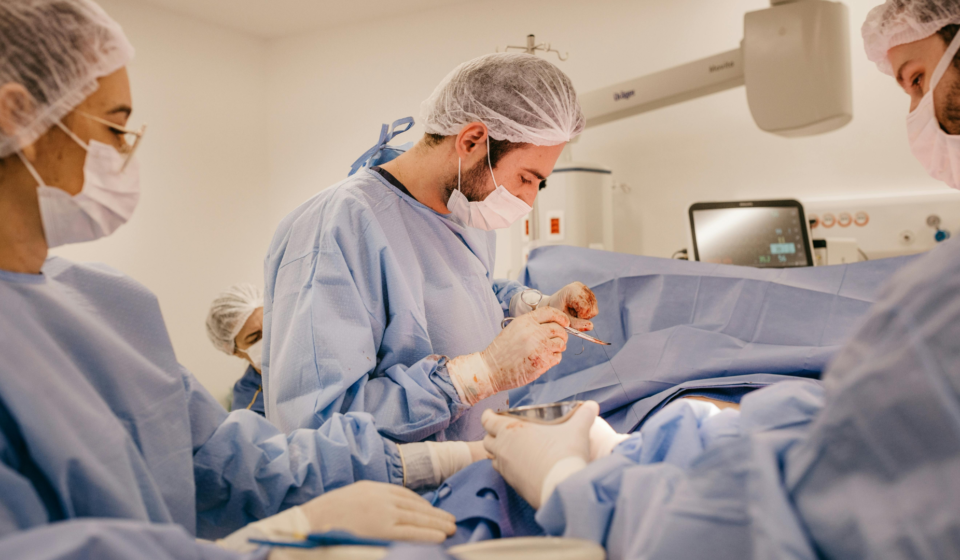

Chronic back pain can affect every part of daily life. Simple activities like walking, sitting, working, or even sleeping may become difficult when pain continues for months or years. While physical therapy, medications, and injections help many patients, some people eventually need surgery to correct the underlying spinal problem.
Today, robotic spine surgery is changing the way spinal procedures are performed. This advanced technology gives surgeons greater precision, improved control, and the ability to perform minimally invasive procedures with better accuracy. For many patients suffering from chronic back pain, robotic assisted spine surgery offers a safer and more efficient treatment option.
What Is Robotic Spine Surgery?
Robotic spine surgery is a modern surgical technique that uses advanced robotic guidance systems to assist spine surgeons during procedures. The robotic system does not replace the surgeon. Instead, it helps improve precision by providing real time imaging, detailed surgical planning, and highly accurate instrument placement.
Before surgery begins, the surgeon creates a customized surgical plan using 3D imaging of the patient’s spine. During the operation, the robotic system helps guide surgical instruments according to that plan, helping reduce the chances of error.
This technology is commonly used for procedures involving:
- Herniated discs
- Spinal stenosis
- Degenerative disc disease
- Scoliosis
- Spinal instability
- Spine fractures
- Chronic lower back pain
How Robotic Spine Surgery Helps Chronic Back Pain
Chronic back pain often develops because of structural problems within the spine. When non surgical treatments no longer provide relief, surgery may be necessary to stabilize the spine or relieve pressure on nerves.
Robotic assisted spine surgery helps address these issues with greater surgical accuracy. This can lead to several important benefits for patients.
Smaller Incisions
Traditional open spine surgery often requires large incisions and significant muscle disruption. Robotic techniques support minimally invasive procedures, allowing surgeons to operate through much smaller incisions.
Smaller incisions usually mean:
- Less tissue damage
- Reduced blood loss
- Lower risk of infection
- Less postoperative pain
Improved Surgical Precision
The spine contains delicate nerves and complex structures. Even small inaccuracies can affect surgical outcomes.
Robotic systems help surgeons place screws, implants, and instruments with exceptional precision. This improved accuracy may reduce complications and improve spinal alignment during surgery.
Faster Recovery Time
Many patients recover faster after minimally invasive robotic spine surgery compared to traditional open procedures.
Because there is less muscle disruption and tissue trauma, patients often experience:
- Shorter hospital stays
- Faster mobility
- Quicker return to daily activities
- Reduced need for pain medication
Recovery times vary depending on the procedure and the patient’s overall health, but robotic assisted techniques can support a smoother healing process.
Who May Be a Candidate for Robotic Spine Surgery?
Not every patient with back pain requires robotic spine surgery. Most doctors first recommend conservative treatments such as physical therapy, medication, lifestyle changes, or spinal injections.
However, surgery may become an option if:
- Pain lasts for several months
- Nerve compression causes weakness or numbness
- Walking or daily movement becomes difficult
- Non surgical treatments stop working
- Imaging shows structural spinal damage
A spine specialist can determine whether robotic assisted surgery is appropriate based on the patient’s condition and medical history.

Are There Risks?
Like all surgical procedures, robotic spine surgery carries some risks. Possible complications can include infection, bleeding, nerve injury, or implant related issues. However, robotic guidance may help reduce certain surgical risks by improving accuracy and minimizing tissue disruption.
Choosing an experienced spine surgeon is one of the most important factors for achieving a successful outcome.
The Future of Spine Care
Robotic technology continues to advance rapidly in the field of spine surgery. Many hospitals and spine centers now use robotic systems to improve patient safety, surgical planning, and long term outcomes.
For people struggling with chronic back pain, robotic spine surgery represents a modern treatment approach focused on precision, minimally invasive care, and faster recovery. While surgery is not the first solution for every patient, it may provide lasting relief when other treatments fail.
Conclusion
Chronic back pain can significantly impact quality of life, but modern surgical technology is creating new opportunities for safer and more effective treatment. Robotic spine surgery combines advanced imaging, precision guidance, and minimally invasive techniques to help patients recover more comfortably and return to normal activities sooner.
If chronic back pain continues to interfere with your daily life, consulting a qualified spine specialist can help you explore whether robotic assisted spine surgery may be the right solution for you.
Frequently Asked Questions
Is robotic spine surgery safe?
Yes. Robotic spine surgery is considered safe when performed by an experienced spine surgeon. The technology helps improve surgical precision and supports minimally invasive techniques.
Does a robot perform the surgery alone?
No. The surgeon remains fully in control throughout the procedure. The robotic system acts as a guidance tool to improve accuracy and planning.
Is robotic spine surgery less painful?
Many patients experience less postoperative pain because robotic procedures often use smaller incisions and cause less muscle damage.
How long does recovery take after robotic spine surgery?
Recovery time depends on the type of surgery and the patient’s condition. Some patients return to light activities within a few weeks, while others may need several months for full recovery.
Who qualifies for robotic spine surgery?
Patients with chronic back pain caused by spinal conditions such as herniated discs, spinal stenosis, or degenerative disc disease may qualify after evaluation by a spine specialist.