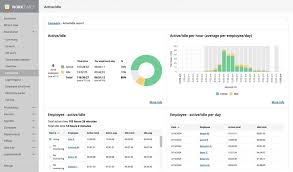

into daily work patterns allows managers and employees to identify inefficiencies and allocate time more effectively across projects and responsibilities.
Some of the key ways these systems support prioritization include:
- Time Visibility: Teams can understand how work hours are distributed across projects, meetings, and administrative activities.
- Priority Tracking: Managers can identify which tasks contribute most directly to business goals and operational performance.
- Workload Insights: Leaders can rebalance assignments when workloads become uneven across departments.
- Focus Improvement: Employees can reduce time spent on repetitive or low-priority activities.
- Deadline Support: Teams can allocate sufficient time to urgent deliverables and important project milestones.
These insights help organizations make operational decisions using measurable work data instead of assumptions. Teams can then direct more attention toward activities that support long-term business outcomes, customer satisfaction, project consistency, and overall workplace productivity goals.
How Managers Use Productivity Insights to Support High-Impact Work
Managers often need accurate reporting to understand whether employees spend time on productive activities or operational delays. Without reliable data, teams may continue inefficient workflows that reduce overall performance. Better visibility allows leaders to identify bottlenecks before they affect project timelines.
By using reporting tools within employee time management software, managers can improve planning and workload allocation across departments. Productivity insights also help organizations support realistic deadlines and reduce employee burnout caused by uneven work distribution or repeated task interruptions.
Supporting Operational Efficiency Through Connected Workplace Tools
Many organizations combine workforce productivity systems with operational management platforms to improve workplace coordination. These tools help businesses monitor workflows, maintain digital resources, and reduce disruptions that affect employee performance. Strong operational support often improves focus, accountability, and day-to-day efficiency across teams.
For example, asset management software helps organizations manage workplace technology resources such as devices, software access, and digital infrastructure. Businesses also use asset management software to support remote work environments and ensure employees have the reliable tools needed to complete high-priority responsibilities efficiently.
Best Practices for Prioritizing High-Impact Work
Workplace software delivers stronger results when organizations combine technology with practical productivity habits. Businesses that establish clear priorities and review operational data regularly often improve efficiency while reducing unnecessary workload pressure across departments and project teams.
Some useful practices include:
- Clear Goal Setting: Employees should understand which tasks directly support business priorities and deadlines.
- Meeting Control: Reducing unnecessary meetings frees up time for focused, productive work.
- Regular Productivity Reviews: Managers should evaluate work trends to identify inefficiencies early.
- Balanced Work Allocation: Teams should assign responsibilities based on employees’ capacity and project urgency.
- Focused Work Periods: Dedicated work sessions help employees complete important tasks with fewer interruptions.
- Responsible Data Usage: Productivity insights should support operational improvements rather than excessive monitoring.
Organizations that combine clear planning with measurable productivity insights often create more balanced and efficient work environments for employees and management teams.
Conclusion
Teams perform more effectively when employees understand where to focus their time and effort during the workday. Better visibility into work patterns helps organizations reduce operational inefficiencies, improve planning, and support more informed decision-making across projects and departments.
By combining productivity insights with operational management tools, businesses can improve workload distribution and encourage a stronger focus on meaningful work. A balanced approach to prioritization supports long-term productivity while helping employees manage responsibilities more efficiently and consistently.
