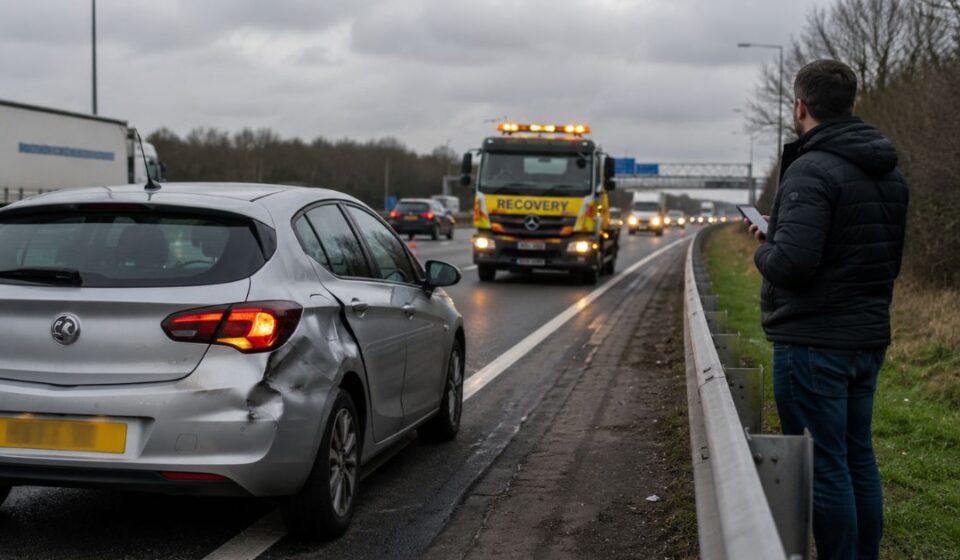

Car recovery after an accident starts the moment your vehicle becomes unsafe or illegal to drive. You cannot leave it on the road. You cannot drive it with leaking fluids or damaged wheels. You need a professional to move it.
Most drivers do not think about recovery until they are standing on a hard shoulder. That is normal. But knowing a few key things beforehand saves you stress, time, and money.
Save this guide and keep reliable Car Recovery Services numbers in your phone – or read on for a complete step-by-step checklist that protects your safety and your wallet.
1. Stop Safely and Check for Injuries
After any accident, you must stop by law. Pull over safely. Turn on your hazard lights.
Check yourself for injuries. Then check your passengers. Then check anyone else involved.
If someone is hurt, call 999 immediately. Do not move an injured person unless they are in immediate danger. Emergency services come before vehicle recovery every time.
For more detailed guidance on accident scene safety, Enterprising Core is a best resource blog worth bookmarking before you need it.
2. Secure the Scene
Once you have stopped, focus on staying safe.
Move to a safe spot if you can. Keep a distance from damaged cars. Do not touch leaking fluids or broken glass.
These small steps prevent a second accident while you wait for help.
3. Call the Police When Required
You must tell the police if someone is injured, the road is blocked, or a driver refuses to exchange details.
If officers do not come to the scene, report the incident within 24 hours. Get a crime reference number if the other driver flees.
What if the other driver drives off? Note their registration, car colour, make, and direction. Report to police immediately.
4. Exchange Details (But Do Not Apologise)
Exchanging information is the law.
Give and collect:
- Full name and address
- Phone number
- Vehicle registration
Do not say sorry. Even a casual “sorry mate” can be used as an admission of fault. Exchange details. Stay calm. Let the proper process decide who is responsible.
5. Gather Evidence Before Anything Moves
Take photos before cars are recovered. This evidence is valuable if there is any dispute later.
Photograph:
- Damage to all vehicles
- Road layout and skid marks
- Weather and light conditions
- Number plates
Get witness names and numbers if you can. Dashcam footage helps enormously.
6. Is Your Car Safe to Drive?
Damage is not always obvious. A car that looks fine may be unsafe.
Do not drive if you notice:
- Leaking fluids
- Deployed airbags
- Steering or braking problems
- Bent wheels
If any of these apply, call for recovery. Driving unsafe cars is illegal and dangerous.
7. Arrange Recovery and Watch for Storage Charges
If your car cannot be driven, you need recovery.
Your options:
- Recovery included with breakdown cover
- Independent 24/7 recovery services
- Pay-per-use recovery (one-off fee)
Here is what most guides do not tell you. The recovery driver will ask where to take your car. Be specific. Name a repair garage or your home.
Why does this matter? Some recovery firms take cars to their own storage yard. Then they charge £20-£50 per day for storage. A week of that costs £140-£350. Those fees are your responsibility unless agreed otherwise.
Tell the driver exactly where to go. Get it in writing if you can. For more practical advice on avoiding hidden recovery fees, Enterprising Core breaks down what to ask before any vehicle is towed.
8. You Choose Where Your Car Goes
Recovery drivers may suggest their preferred garage. You do not have to use it.
You have the right to choose where your car is repaired or stored. The only catch: your chosen garage needs to be able to take the car immediately. Call ahead if you can.
9. What About a Replacement Car?
If you need a car while yours is being repaired, you have options.
But read the small print. Some accident management companies use ‘credit hire’ agreements. Daily rates can be £150-£400 – three to five times higher than a standard rental.
Always ask: “What is the daily rate? Is this credit hire?” If they cannot answer clearly, walk away.
Some breakdown cover policies include a courtesy car. Check your policy documents before you need them.
10. Keep Records of Everything
After the recovery is complete, keep a folder with:
- Photos of the accident scene
- The recovery driver’s name and company
- Where your car was taken
- Any paperwork you signed
These records help if there is a dispute about costs or vehicle condition later.
How Long Does Recovery Take?
| Scenario | Typical Time |
|---|---|
| Local recovery (within 10 miles) | 30-90 minutes |
| Recovery to chosen garage | 1-3 hours |
| Written off vehicle | 1-4 weeks |
Be patient but do not be afraid to chase for updates.
Common Recovery Mistakes to Avoid
- Agreeing to an unknown storage yard – always name your destination
- Signing without reading – know the daily storage rate before they tow
- Apologising at the scene – let the facts speak for themselves
- Forgetting to take photos – evidence is everything
- Not saving recovery numbers – do it now, not on the hard shoulder
Staying in Control After an Accident
The minutes after a crash feel chaotic. But a clear plan keeps you calm.
Stop safely. Check for injuries. Call police if needed. Exchange details without apologising. Take photos. Decide if the car is safe to drive.
When you arrange recovery, be specific about the destination. Watch for daily storage charges. Remember you choose the repair garage. Understand the difference between standard hire and credit hire.
Keep reliable Car Recovery Services numbers saved in your phone before you need them. A few minutes of preparation saves hours of stress later.
For regular updates on driver rights, recovery best practices, and avoiding hidden fees, Enterprising Core is a best resource blog worth visiting before your next journey.