Every vehicle has a life cycle that begins on the production line and ends when it can no longer operate on the road. Many people see a damaged or old car as nothing more than metal waste. However, the reality is different. Once a vehicle reaches the end of its road life, it enters a structured process that gives many of its materials a second purpose.
When a car is handed over after the decision to sell car for cash sydney, it begins a journey through several stages involving inspection, removal of hazardous materials, dismantling, material sorting, and recycling. Each stage plays a role in reducing waste and recovering usable resources.
This process is part of a wider system in Australia where vehicle recycling contributes significantly to resource recovery. Studies show that around 80 to 90 percent of a vehicle by weight can be recovered through recycling and reuse methods. This includes metals, plastics, rubber, and glass. Learn more: https://www.carremovalsydney.com.au/
Arrival at the Scrap Yard
The journey begins when a vehicle arrives at a scrap yard. Cars enter this stage due to accident damage, mechanical failure, age-related wear, or registration issues that make road use impractical.
At the scrap yard, each vehicle is logged and inspected. Basic details such as make, model, year, and condition are recorded. This information helps determine what components may still have usable life.
Vehicles are then separated into categories:
- Vehicles suitable for parts recovery
- Vehicles suitable for metal recycling
- Vehicles requiring full dismantling
This classification ensures that materials are handled in an organised way before the recycling process begins.
Removal of Fluids and Hazardous Materials
Before dismantling begins, all fluids and hazardous components are sell car for cash sydney from the vehicle. This stage is called depollution.
Cars contain several fluids that must be handled carefully:
- Engine oil
- Transmission fluid
- Brake fluid
- Coolant
- Fuel
These substances are collected and processed separately. Many of them can be refined and reused in industrial applications. For example, used engine oil can be reprocessed into base oil for lubricants.
Airbags, batteries, and air conditioning gases are also removed. Lead-acid batteries contain materials that are highly recyclable. Air conditioning systems contain refrigerants that require controlled extraction to prevent release into the atmosphere.
This stage reduces environmental contamination and prepares the vehicle for safe dismantling.
Dismantling and Recovery of Vehicle Parts
After depollution, the vehicle moves into dismantling. Skilled workers remove usable components that still have remaining service life.
Common parts recovered include:
- Engines and transmissions
- Alternators and starters
- Doors and panels
- Headlights and taillights
- Suspension components
- Interior fittings such as seats and dashboards
These parts are cleaned, tested, and stored for reuse in other vehicles. In Australia, reused automotive parts play a role in supporting vehicle repair work and reducing demand for newly manufactured components.
For example, a single engine block contains several kilograms of steel and aluminium that can be reused in mechanical repairs or further processing. A transmission system contains gears and metal alloys that can be repurposed.
This stage reduces demand for new raw materials and supports resource recovery.
Metal Separation and Shredding
Once usable parts are removed, the remaining car body moves into metal recycling.
The vehicle shell is made mostly of steel, along with smaller amounts of aluminium and copper. These materials are separated through shredding and magnetic sorting.
The shredding process breaks the car into small pieces. Magnets then extract ferrous metals such as steel and iron. Non-ferrous metals like aluminium and copper are separated using eddy current systems.
Steel is the most significant material recovered from vehicles. It is widely recycled in Australia. Industry data shows that recycled steel retains its strength and quality even after multiple recycling cycles.
Recycling steel also reduces energy use. Producing steel from recycled scrap can use up to 74 percent less energy compared to producing steel from raw iron ore.
Environmental Impact of Vehicle Recycling
Vehicle recycling plays a major role in reducing waste sent to landfills. A typical passenger car weighs between 1,000 and 1,500 kilograms. Most of this weight can be recovered and reused.
Australia processes thousands of end-of-life vehicles each year. A large portion of their materials re-enter manufacturing systems, reducing pressure on natural resources.
Key environmental outcomes include:
- Reduced landfill volume
- Lower demand for raw metal extraction
- Reduced energy consumption in steel production
- Controlled handling of hazardous materials
Fluids such as engine oil and coolant can contaminate soil and water if not managed correctly. Controlled removal ensures these substances are processed under regulated conditions.
The recycling process also supports circular resource use, where materials remain in continuous use cycles instead of being discarded.
Reuse of Automotive Parts in the Market
Not all recovered parts are melted down. Many components are reused directly in vehicle repairs.
Mechanical parts such as engines, gearboxes, and alternators are often tested for functionality before resale. Body panels and interior parts are also reused in repair work for damaged vehicles.
This reuse system extends the life of automotive components. It also reduces the need to manufacture new parts for every repair requirement.
For older vehicles, reused parts can provide compatibility that is no longer available in new production lines. This is particularly relevant for discontinued models.
Final Transformation into Raw Materials
After dismantling and metal separation, the remaining materials are processed into raw forms.
Steel scrap is melted in furnaces and formed into sheets, bars, or coils. These materials are then supplied to construction and manufacturing industries. Aluminium and copper are also melted and reused in electrical systems, machinery, and building materials.
Rubber from tyres is processed into crumb rubber, which is used in road surfaces, sports fields, and industrial flooring. Glass from windshields is crushed and reused in construction materials and insulation products.
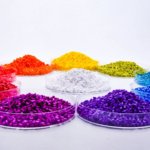
Plastics from dashboards and interior panels are sorted and processed into pellets for manufacturing.
At this stage, the original vehicle no longer exists as a car. Instead, it becomes a collection of raw materials ready for new production cycles.
The Role of Scrap Car Recycling in Resource Management
Vehicle recycling supports resource recovery on a large scale. It reduces reliance on mining and raw material extraction. It also supports industries that depend on recycled inputs.
In Australia, metal recycling contributes significantly to the supply of steel and aluminium. These industries rely on scrap material as a key input source.
End-of-life vehicles form a consistent supply of recyclable metals. This ensures that materials remain in circulation rather than becoming waste.
Conclusion
The journey of a scrap car is more complex than it appears at first glance. What begins as a damaged or unused vehicle moves through several stages of recovery, sorting, dismantling, and recycling. Each stage plays a role in recovering materials and reducing environmental impact.
From fluid removal to metal processing, every step ensures that valuable resources are not lost. Steel, aluminium, plastics, and rubber all find new applications after their original use in a vehicle ends.
This process shows that a car reaching the end of its road life does not mark the end of its usefulness. Instead, it begins a new phase as part of a wider material cycle that supports manufacturing and resource recovery systems.