
A car does not stay on the road forever. Every vehicle reaches a point where repair is no longer practical or cost does not make sense compared to its condition. At that stage, the vehicle enters a recycling process. This process turns an unused car into usable materials and parts that can be used again in different forms. It also helps reduce waste and supports responsible handling of metals, fluids, and components.
Understanding how a car moves from a driveway to a dismantling floor shows how each part of the vehicle is handled with care and structure. The process involves several steps, starting from collection and ending with material recovery.
Arrival of an End-of-Life Vehicle
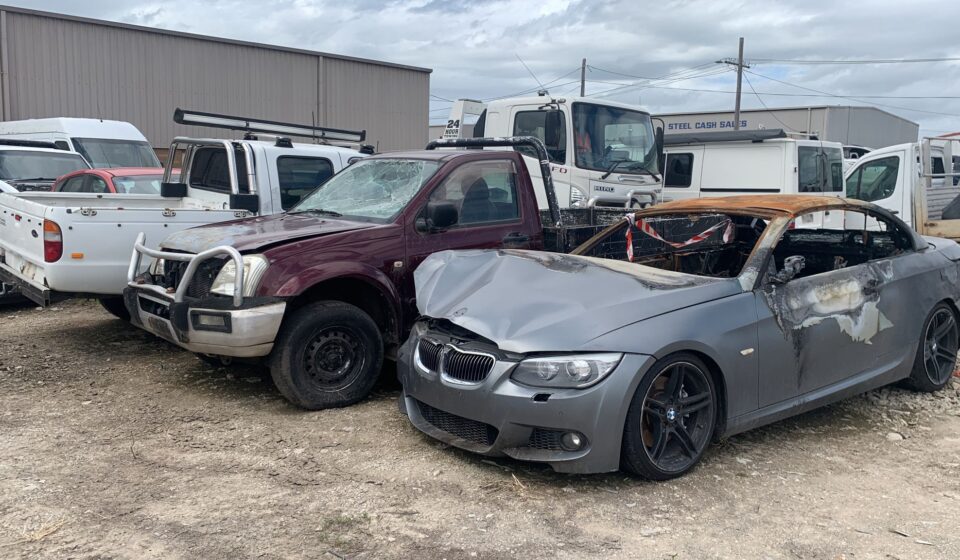
When a car is no longer in use, it is collected and transported to a recycling facility or dismantling yard. This stage usually starts when the owner decides the vehicle is no longer worth repairing or maintaining. Some vehicles arrive after accidents, while others reach the end of their usable life due to age or mechanical failure.
At the facility, the vehicle is recorded and checked. Basic information such as model, condition, and presence of hazardous components is noted. This step ensures that the correct process is followed for each type of vehicle.
Depollution Process
Before any dismantling begins, the vehicle goes through a depollution stage. This is one of the most important steps in car recycling because it removes substances that can harm the environment.
Several materials are removed, including:
- Engine oil
- Transmission fluid
- Brake fluid
- Coolant
- Fuel from the tank
- Air conditioning gases
These fluids are stored in separate containers and sent for treatment or recycling where possible. Batteries are also removed at this stage. Lead-acid batteries contain materials that require careful handling and controlled processing.
Tyres are taken off the vehicle as well. They are often reused in other industries such as road construction or processed into rubber materials for industrial use.
This stage ensures that no harmful substances are released into soil or water during further processing.
Parts Removal and Reuse
After depollution, usable parts are removed from the vehicle. Many components can still function even when the car is no longer suitable for driving.
Common parts recovered include:
- Engines
- Gearboxes
- Alternators
- Starter motors
- Doors and panels
- Interior components such as seats and dashboards
These parts are inspected and tested before being stored for reuse. Some are sold to repair workshops or individuals who need replacement parts for similar vehicles.
Reusing parts reduces the need to manufacture new components. This helps lower demand for raw materials and reduces energy use in production processes.
Materials Sorting
Once usable parts are removed, the remaining structure of the vehicle is prepared for material separation. Cars contain a mix of materials such as steel, aluminium, copper, plastic, and glass.
The body shell is stripped further to separate these materials. Each type of material follows a different recycling path:
- Steel and iron are sent for melting and reuse in construction and manufacturing
- Aluminium is processed for use in new automotive and packaging products
- Copper wiring is recovered and reused in electrical applications
- Plastic parts are processed into pellets for industrial manufacturing
- Glass is crushed and reused in building materials or new glass production
Around most modern vehicles, a large portion of the material content can be reused in some form after processing. Steel forms the largest share of recyclable material in most cars.
Shredding and Metal Recovery
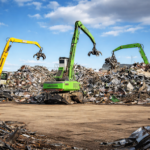
After sorting, the remaining car body goes through a shredding process. Large machines break the structure into smaller pieces. This allows separation of metals and non-metal materials using magnets and other sorting systems.
Steel is separated using magnetic systems. Non-ferrous metals such as aluminium and copper are separated using advanced sorting techniques based on density and conductivity.
The remaining residue, sometimes called automotive shredder residue, is processed further or disposed of in controlled facilities depending on its composition.
Steel recovered from vehicles is commonly reused in construction, machinery, and manufacturing industries. This reduces the need to extract new raw materials from natural sources.
Environmental Importance of Car Recycling
Car recycling plays a significant role in reducing environmental impact. Vehicles contain materials that require large amounts of energy to produce. Recycling these materials reduces the need for mining and raw material extraction.
It also helps in managing waste. Without recycling systems, old vehicles would take up large areas of land and create long-term waste problems. Fluids and chemicals from unused vehicles can also cause soil and water contamination if not handled correctly.
Recycling supports recovery of metals and materials that remain in circulation for long periods. Steel, for example, can be recycled many times without losing its basic properties.
For more information about cash for cars services in Central Coast, visit https://nswautowrecker.com.au/cash-for-cars-central-coast/
Role of Car Owners in Recycling Process
Car owners also play a part in the recycling process. When a vehicle reaches the end of its usable life, choosing a proper recycling channel ensures that materials are handled correctly.
Leaving a car unused for long periods can lead to fluid leaks, rust, and environmental damage. Sending the vehicle to a dismantling facility allows structured processing and recovery of usable materials.
Proper transfer of ownership and documentation also ensures that the recycling process follows legal and environmental rules.
Cash-Based Vehicle Removal Service in Sydney
In Sydney, there are services that collect unwanted vehicles directly from owners and manage the recycling process from start to finish. One such service is provided by NSW Auto Wreckers through its cash for unwanted cars Sydney option. This service allows vehicle owners to hand over old, damaged, or unused cars without arranging separate transport. The vehicle is collected and processed for dismantling, where parts and materials are recovered for reuse. This type of service connects vehicle disposal with recycling systems, helping ensure that useful materials are not wasted and are returned into industrial use.
Conclusion
The path of a car from a driveway to a dismantling floor involves several structured stages. Each stage plays a role in recovering materials, managing waste, and reducing environmental impact. From fluid removal to metal separation, every step ensures that parts of the vehicle are reused or processed correctly.
This process shows how a vehicle continues to provide value even after it stops running. Through recycling systems, materials from old cars are returned into manufacturing and construction cycles, reducing the need for new raw material extraction and supporting responsible resource use.