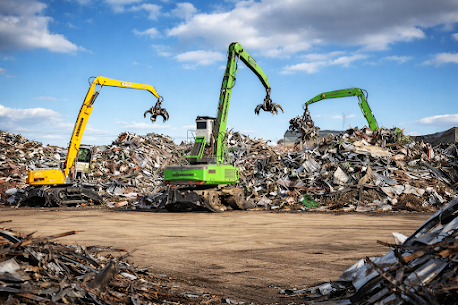

Old cars often look worn out, rusted, or no longer suitable for daily driving. Many people assume these vehicles have little to no remaining worth. Scrap yards show a different reality. Even a car that does not run can hold multiple materials and parts that carry economic return when processed correctly.
Across Australia, scrap yards handle thousands of vehicles each year. Each car contains metals, reusable parts, and recyclable materials that enter different recovery channels. The amount received for an old car depends on weight, metal composition, and demand for specific components in recycling markets.
What Happens to Old Cars in Scrap Yards
When a vehicle arrives at a scrap yard, it goes through a set process. The aim is to separate usable parts and recover materials that can be processed again.
First, fluids such as engine oil, brake fluid, and coolant are removed. These fluids are handled under environmental controls because they can affect soil and water if not treated properly.
Next, workers remove parts that still function. Items such as engines, gearboxes, alternators, starter motors, doors, mirrors, and seats are inspected. If they are in usable condition, they are stored for resale into repair markets.
After parts removal, the remaining shell is crushed and sorted. Metals are separated using magnets and other separation methods. Steel forms the largest portion of most vehicles, so it plays a major role in recycling output.
Metal Content Inside Old Cars
A standard passenger car contains a mix of materials:
- Steel: Forms the body frame, chassis, and many structural components. A typical car may contain over 800 kilograms of steel.
- Aluminium: Found in wheels, engine parts, and body panels in newer models.
- Copper: Used in wiring, motors, and electronic systems. A modern vehicle can contain several kilograms of copper wiring.
- Lead: Present in older batteries.
- Plastics and glass: Used in dashboards, panels, windows, and trims.
Steel is one of the most recycled materials in the world. Recycling steel reduces the need for new iron ore processing. Aluminium also holds strong recycling demand because it requires far less energy to recycle compared to producing it from raw bauxite.
Catalytic Converters and Precious Metals
One part of a vehicle that carries notable recovery interest is the catalytic converter. This component is part of the exhaust system and reduces harmful emissions.
Inside a catalytic converter are small amounts of platinum, palladium, and rhodium. These metals are classified as platinum group metals and are used because they help convert harmful gases into less harmful emissions.
Even though the quantity of these metals in a single car is small, their market prices are high due to limited supply and industrial demand. Scrap yards and recycling facilities often extract and process catalytic converters separately due to their material content.
How Metal Demand Affects Payment for Old Cars
The amount received for an old vehicle depends heavily on metal market conditions. Steel and aluminium prices change based on global supply and demand, industrial output, and energy costs.
Since cars are weighed during processing, heavier vehicles often bring higher returns. For example, a large SUV or ute generally contains more metal than a small hatchback. This difference in weight can influence the amount paid after processing.
Copper wiring also adds to the outcome. Electrical systems in modern vehicles contain more wiring than older models, which can increase recovery from dismantling.
Scrap metal recycling service details can be found here: https://adrians.com.au/scrap-metal-recycler-gold-coast/
Parts Reuse From Old Vehicles
Not every part of an old car goes into shredding. Many components are removed and reused.
Common reused parts include:
- Engines that still run within acceptable compression limits
- Transmission systems that shift properly
- Alternators and starter motors
- Suspension components
- Body panels that are not heavily damaged
These parts are often sold into repair workshops and used in vehicle maintenance. This reuse reduces demand for newly manufactured parts, which requires raw materials and energy.
Environmental Role of Recycling Old Cars
Vehicle recycling reduces pressure on mining and manufacturing industries. Steel recycling alone saves significant energy compared to producing new steel from iron ore.
Recycling aluminium uses far less energy than extracting it from raw ore. Copper recovery also reduces the need for mining operations that disturb land and produce waste materials.
Scrap yards contribute to reducing landfill load. A complete vehicle contains a large mix of materials that would take many years to break down naturally if left in disposal sites.
Why Even Severely Damaged Cars Still Hold Recovery Output
Cars involved in accidents, rust damage, or mechanical failure are still processed in scrap yards. Even when engines no longer run, the metal structure remains useful.
The outer shell of a vehicle is mostly steel, which can be melted and reused in construction, manufacturing, and new vehicle production. Interior parts such as wiring looms and electronics still contain recoverable materials.
This is why vehicles with heavy damage are still collected and processed rather than left unused.
Role of Scrap Yards in Material Recovery
Scrap yards operate as collection and sorting points. They separate materials into categories before sending them to specialised recycling facilities.
Steel goes to steel mills, aluminium to smelters, and electronic components to specialist processors. Catalytic converters are handled separately due to their precious metal content.
This system allows repeated use of raw materials, reducing dependence on new extraction from mines.
In Ipswich, there are services that collect old vehicles directly from owners and send them into recycling channels. One such service is operated by Adrians, known for handling car removal and processing under the phrase cash for cars ipswich. This type of service links vehicle owners with scrap yard systems, where old cars are dismantled and materials are recovered. The process supports reuse of metals and parts that would otherwise remain unused in stationary vehicles.
Factors That Influence Scrap Yard Processing Outcomes
Several points influence what happens to an old vehicle in a scrap yard:
- Vehicle weight
- Metal composition
- Condition of reusable parts
- Demand for specific materials in recycling markets
- Presence of catalytic converters
These factors determine how the vehicle is dismantled and how materials are distributed into recycling streams.
Conclusion
Old cars carry more behind their appearance than many people assume. Even when they stop running, they still contain steel, aluminium, copper, and components that can be reused or processed again. Scrap yards play a key role in separating these materials and directing them into recycling systems. From heavy steel frames to small amounts of precious metals in catalytic converters, each part contributes to material recovery that supports ongoing industrial use.