
Exploring how culture shapes gambling beliefs and practices
The Historical Context of Gambling Across Cultures
The history of gambling is as varied as the cultures that practice it. In ancient societies, gambling was often intertwined with rituals and spirituality. For instance, dice games originated in Mesopotamia and were believed to be a way to communicate with the divine. Cultures across the globe used gambling as a form of entertainment, social bonding, and even a method for decision-making, revealing that the act of gambling has always held significant cultural weight. Today, many enthusiasts explore options like Chainluck casino to delve into expansive gaming experiences.

In many indigenous cultures, gambling played a vital role in community gatherings and celebrations. For example, Native American tribes often used gambling as a way to strengthen bonds among members and celebrate important events. The stakes were not always monetary; instead, they sometimes involved goods or services that reinforced social ties. Such historical practices illustrate how gambling has evolved and adapted to reflect the values and beliefs of various societies.
Modern gambling practices, from casino games to online betting, can often be traced back to these ancient traditions. Understanding this historical context helps shed light on how contemporary attitudes toward gambling are influenced by cultural legacies. These attitudes often dictate not just the legality of gambling but also its acceptance within different communities, impacting individual beliefs and behaviors surrounding the activity.
Cultural Attitudes Toward Risk and Luck
Cultural attitudes toward risk and luck significantly shape gambling beliefs. In some cultures, luck is seen as a critical factor influencing outcomes, while in others, skill and strategy are emphasized. For example, in many Asian cultures, gambling is often viewed through the lens of luck, where auspicious symbols and rituals are integral to the experience. This belief can manifest in how people approach games, the types of games they prefer, and even the rituals they perform before gambling. In contrast, Western perspectives often highlight the importance of strategic thinking.
Conversely, in Western cultures, there is a stronger emphasis on skill and strategy in gambling practices. Games like poker are not merely seen as luck-based; they also require psychological acumen and decision-making skills. This cultural perception can lead to different experiences and attitudes toward winning and losing. Understanding these nuances can provide insight into why certain gambling practices flourish in specific cultural contexts.
The cultural framing of luck and risk also influences attitudes toward gambling-related issues, such as addiction and responsible gaming. Cultures that emphasize personal responsibility may promote self-regulation in gambling, while those that view gambling as a chance-based activity may be more inclined to downplay the risks involved. This cultural dichotomy can significantly impact how communities address problem gambling and support individuals affected by it.
The Role of Social Norms and Community Influence
Social norms play a crucial role in shaping gambling behaviors and beliefs. In cultures where gambling is widely accepted, individuals may feel more comfortable engaging in these activities without fear of stigma. For instance, in countries like Australia, where gambling is a common leisure activity, social acceptance fosters a vibrant gambling culture. This acceptance often extends to various forms of gambling, from sports betting to lotteries, making it a regular part of social interaction.
On the other hand, cultures that view gambling negatively often lead individuals to hide their gambling behaviors, which can perpetuate feelings of shame and secrecy. In such environments, the community may actively discourage gambling, viewing it as a moral failing or a threat to social cohesion. This cultural disapproval can result in individuals developing conflicting feelings about gambling, torn between personal enjoyment and societal expectations.
The influence of community also extends to how gambling is perceived in terms of gender roles. In many cultures, men may be more openly accepted as gamblers, while women might face additional scrutiny. This can influence not just participation rates but also the types of games played and the stakes involved. Understanding these social dynamics is essential for comprehending the broader landscape of gambling practices within different cultures.
The Impact of Religion on Gambling Practices
Religion significantly influences gambling beliefs and practices around the world. Many religions offer explicit guidelines regarding gambling, shaping the moral compass of their followers. For instance, Islam prohibits gambling entirely, viewing it as harmful and morally corrupt. This religious stance influences not just individual beliefs but also community practices, leading to a lack of acceptance of gambling activities within predominantly Muslim cultures.
Conversely, in cultures where religious teachings are more permissive of gambling, individuals may engage in these activities with less guilt. Certain Christian denominations, for example, may adopt a more nuanced view, allowing for gambling as a form of entertainment provided it does not lead to addiction or ruin. These varying religious perspectives highlight the complexity of gambling as a cultural practice and its intricate relationship with belief systems.
The intersection of religion and gambling can also lead to unique cultural phenomena, such as gambling festivals or rituals that are tied to religious celebrations. For example, in some cultures, lotteries are conducted in connection with religious events, blending the sacred with the profane. This duality underscores how religious beliefs shape not only individual attitudes but also community practices surrounding gambling.
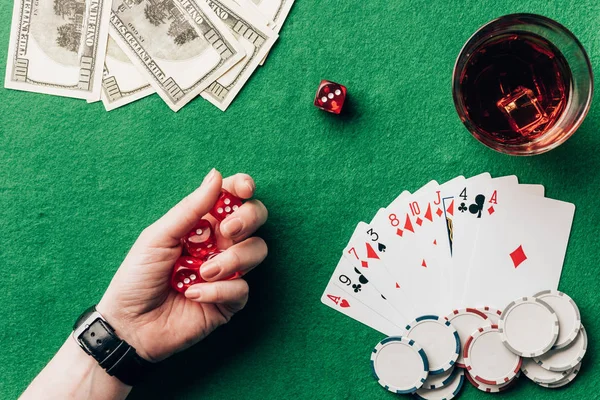
ChainLuck Casino: A Modern Reflection of Cultural Gambling Practices
ChainLuck Casino serves as a modern online gaming platform that embodies various cultural gambling practices, catering to a diverse audience. With its extensive selection of games and welcoming atmosphere, it provides a space for individuals from different cultural backgrounds to engage with gambling in a way that resonates with their beliefs and values. The casino’s offerings reflect a blend of traditional and contemporary games, allowing players to choose experiences that align with their cultural preferences.
The platform also emphasizes responsible gaming, recognizing the varying attitudes toward gambling across cultures. By incorporating features that promote awareness and self-regulation, ChainLuck Casino acknowledges the importance of understanding cultural perspectives on gambling. This commitment helps create an environment where players can enjoy their gaming experience while remaining mindful of the potential risks involved.
Ultimately, ChainLuck Casino stands as a testament to the ways in which culture influences gambling beliefs and practices in the modern age. By offering a secure and engaging environment for players, it facilitates a rich tapestry of gaming experiences that reflect the diverse cultural backgrounds of its users, celebrating the complexities and nuances of gambling in today’s global society.
