Properly applied spray foam creates an airtight seal and a hard physical barrier that prevents rodents and pests from entering or nesting in your building. Unlike traditional materials, it lacks the soft, loose fibers that mice and rats use for nesting material, and it does not serve as a food source for insects.
This article provides a deep look into how high-quality insulation protects your property from unwanted intruders. You will find practical details on material composition and structural sealing that keep pests out for the long term. These findings come from years of field observations and structural data from the insulation industry.
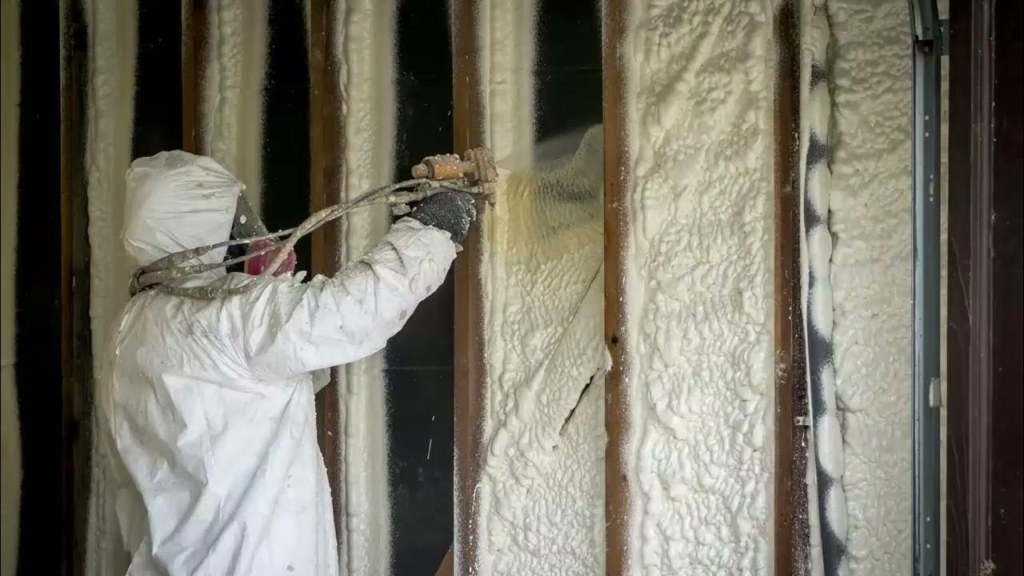
The Physical Barrier Created by Spray Foam
Spray foam expands to fill every crack and gap where it is applied. This expansion fills the tiny entry points that rodents typically use to get inside your walls or attic.
- It creates a solid, dense mass once it cures.
- The material seals air leaks that carry the scent of food or warmth.
- Small insects cannot find paths through the airtight seal.
- The rigid structure is difficult for small animals to pull apart.
Why Rodents Cannot Use Spray Foam for Bedding
Most pests look for soft materials like fiberglass or cellulose to build their nests. Spray foam insulation is fundamentally different because it hardens into a plastic-like state that is neither comfortable nor pliable.
- Mice prefer shredded paper or fluffy fibers for warmth.
- Cured foam is too stiff and abrasive for nesting comfort.
- The material does not compress or provide the “burrowing” feel pests seek.
- Animals quickly realize the material is not suitable for raising young.
Material Performance Comparison
| Feature | Spray Foam | Fiberglass Batts | Cellulose |
|---|---|---|---|
| Nesting Suitability | Very Low | High | High |
| Air Sealing | Excellent | Poor | Moderate |
| Food Value | None | None | None |
| Entry Prevention | Strong | Weak | Weak |
| Durability | High | Low (sags over time) | Moderate (settles) |
Bonus Tip: Check your exterior vents and pipe penetrations. Even with great insulation, these are common entry points that should be screened or sealed with foam.
Does Spray Foam Have Any Food Value for Insects?
A common question is whether termites or ants will eat the insulation. Spray foam is an inert polymer, meaning it contains no organic matter that pests can digest or use for energy.
Zero Nutritional Content for Pests
It offers zero nutritional value to wood-destroying organisms. Cockroaches and silverfish find no sustenance in the chemical makeup. The material remains stable and does not decay into organic compost.
Discouraging Long-Term Habitation
Bugs are less likely to stay in an area where they cannot find food. Since the foam offers nothing to eat, insects typically move on to find more hospitable environments elsewhere.
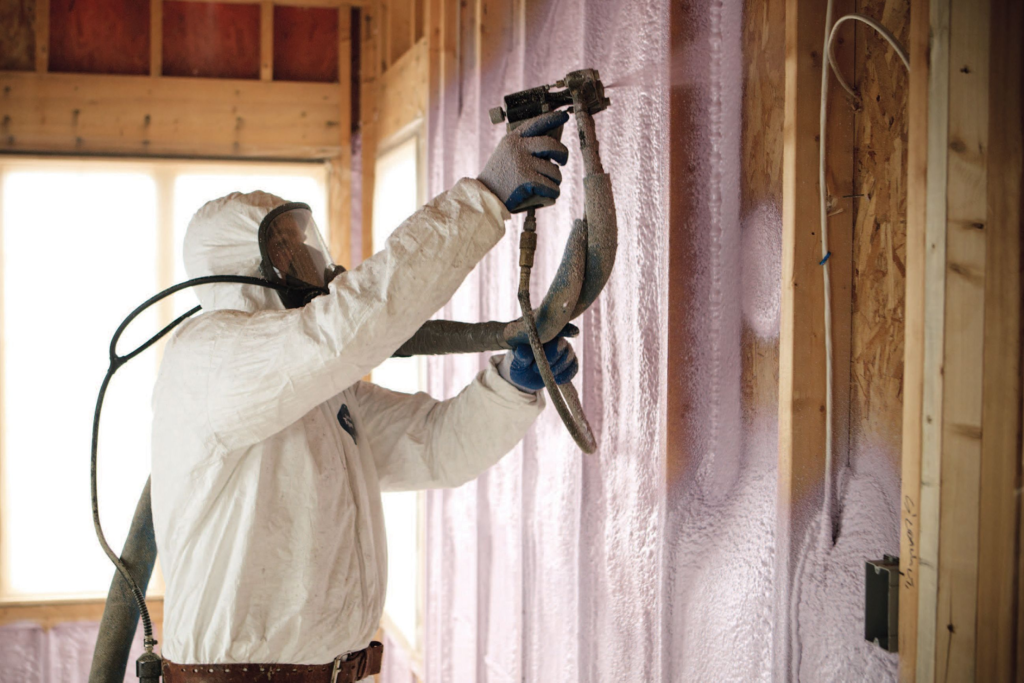
How Air Sealing Discourages Pest Entry
Pests are often drawn to your home by heat signals and food smells escaping through small cracks. Because spray foam stops airflow, it effectively “hides” your home from the local pest population.
- Rodents use their whiskers to feel for drafts and air currents.
- Stopping air leaks removes the “trail” that leads pests to your home.
- Airtight homes maintain a consistent internal environment.
- Reduced moisture levels inside the walls discourage damp-loving insects.
Structural Hardness of Closed Cell vs Open Cell
While both types of foam are effective, closed-cell foam offers a much higher level of physical resistance. It is much denser and becomes very hard once it finishes the curing process.
Closed Cell Resistance
Closed-cell foam adds structural strength to your walls. It is nearly impossible for a mouse to chew through a thick layer of closed-cell foam because of its high density.
Open Cell Deterrence
Open-cell foam is softer than closed-cell foam but still lacks the fiber rodents want for nests. Both types remove the “voids” found in traditional insulation where pests like to hide.
Regional Considerations for Pest Pressure
In desert climates like Las Vegas, pests like scorpions and roof rats are constant threats. The extreme heat makes your cooled interior very attractive to these creatures, making a tight seal even more important.
- Scorpions can fit through gaps as thin as a credit card.
- Spray foam fills these microscopic gaps in the foundation and rim joists.
- Roof rats often enter through the attic, where spray foam is most effective.
- Sealing the building envelope reduces the need for heavy chemical pesticides.
Why Expert Application Is Required for Best Results
The pest-resistant qualities of foam depend entirely on how well it is applied. If there are misses or thin spots, pests might still find a way to exploit the weakness.
- The foam must reach into every corner of the wall cavity.
- Professional equipment ensures the chemical mix is correct for maximum hardness.
- Properly prepared surfaces allow the foam to bond permanently.
- Expert installers know how to seal the specific areas where pests usually enter.
Bonus Tip: Have your installer check the “rim joist” area of your basement or crawlspace. This is the primary highway for mice entering a home.
Factors to Evaluate Before Choosing an Insulation Type
You should look at several things before you decide which material is right for your specific property. Not every building has the same needs or the same level of pest risk.
Existing Infestations
Any current pest issues should be treated before the foam is applied. Sealing a live infestation inside your walls is not a recommended practice.
Building Age and Structure
Older homes often have more structural gaps that require the expansion of spray foam. You should consider how the insulation will bond to aged building materials.
Budget and Value
While the initial cost is higher, the savings on pest control and energy bills add up over time. Evaluate the long-term protection against the immediate price. For a broader understanding of structural protection, including roofing and waterproofing, read this guide.
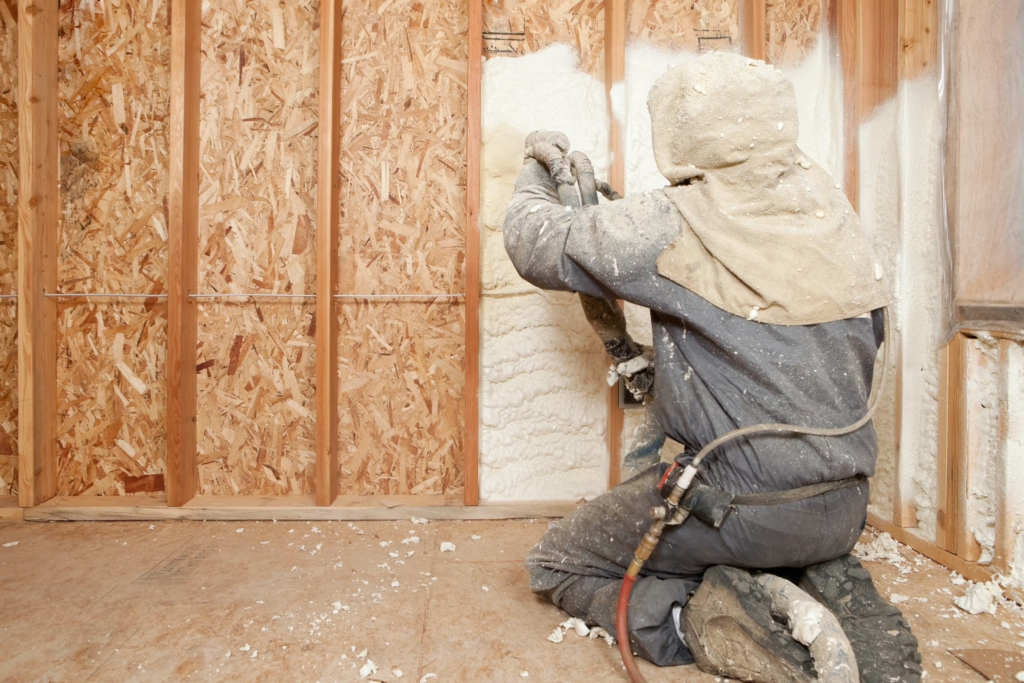
How Spray Foam Improves Indoor Air Quality
By keeping pests out, you are also keeping out the allergens they carry. Droppings and nesting debris from rodents can cause significant respiratory issues for people living in the building.
- Reducing pest entry means fewer allergens in your ventilation system.
- The foam prevents dust and pollen from blowing in through cracks.
- A cleaner attic leads to a cleaner living space below.
- You won’t have to deal with the smell of decaying animals trapped in fiberglass.
Protect Your Home with Supreme Spray Foam LV and Get a Free Quote
When you want to secure your home against both the elements and local wildlife, choosing the right partner is vital. Supreme Spray Foam LV provides expert installation services that help property owners maintain a clean, pest-free environment. Their team understands the specific challenges of the local climate and how to apply insulation for maximum durability. You can contact them at (702) 904-9895 or send an email to info@supremesprayfoamlv.com for a free quote on your next project. Whether you need residential spray foam insulation, wall insulation, or attic insulation, they have the tools to get the job done right. Their professionals offer specialized services like closed-cell spray foam insulation and spray foam repairs to ensure your building envelope remains intact.
Direct Advice for Evaluating Your Insulation Needs
Spray foam remains one of the most effective ways to stop pests because it addresses the root causes of entry and nesting. By removing the soft materials animals love and sealing the air leaks that attract them, you create a building that is naturally unappealing to rodents and insects. This leads to a quieter, cleaner, and more energy-efficient home. You should always look at your long-term goals for comfort and maintenance when deciding on an insulation upgrade. Evaluate your specific environment and choose a solution that offers permanent structural protection.
Common Questions About Pest-Resistant Insulation
Can mice chew through spray foam insulation?
While rodents can technically chew through many things, they rarely bother with spray foam because it isn’t food and doesn’t make good nesting material. The density and lack of fiber usually discourage them.
Does spray foam attract termites?
No, spray foam is made of synthetic materials that provide no food for termites. It is an inert substance that wood-destroying organisms cannot digest or use for sustenance.
Is spray foam toxic to pets after it cures?
Once the foam has fully cured, which usually takes 24 hours, it is inert and safe for the occupants of the home. It does not release harmful particles that could bother domestic animals.
Will spray foam stop an existing bug problem?
You should treat any active infestation before installing insulation. While the foam stops new pests from entering, it is not a pesticide and will not kill bugs that are already inside.
How long does the pest-blocking effect last?
Spray foam does not sag or settle like fiberglass, so the physical barrier it creates lasts for the life of the building. It remains an effective deterrent as long as the material is in place.