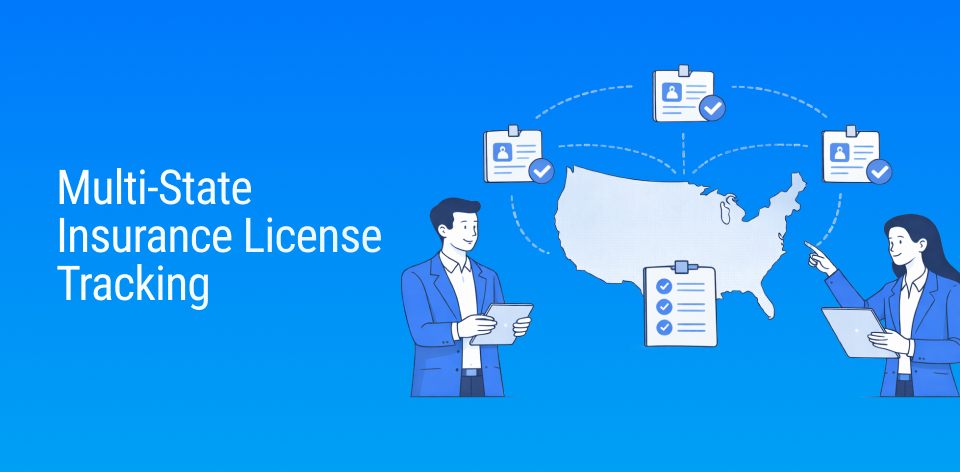

Organizations operating across multiple U.S. states face increasingly complex regulatory environments. Each state enforces its own rules, validation requirements, renewal cycles, and authorization processes.As businesses scale across regions, managing compliance becomes more difficult due to fragmented systems and inconsistent data structures. Manual tracking methods are no longer sufficient for maintaining accuracy and operational efficiency.Modern enterprises require centralized systems and automation-driven workflows to ensure consistent regulatory alignment across jurisdictions.This is where structured compliance platforms and automation systems play a critical role in improving visibility, accuracy, and scalability.
Why Multi-State Compliance Becomes Challenging
Managing compliance across multiple states introduces operational complexity due to regulatory differences and fragmented workflows.
State-Specific Regulatory Requirements
Each state defines its own compliance rules, validation standards, and operational requirements. This lack of standardization creates inconsistencies in tracking and reporting.
Multiple Renewal and Validation Cycles
Different jurisdictions follow different timelines for renewals and re-verification processes. Without centralized monitoring, deadlines can easily be missed.
High Volume of Managed Entities
Large organizations often track thousands of individuals or records, making manual oversight inefficient and error-prone.
Data Fragmentation Across Systems
When information is stored in disconnected tools, spreadsheets, or legacy systems, inconsistencies emerge and compliance visibility decreases.
Operational Inefficiencies
Manual workflows slow down processing, increase administrative workload, and reduce scalability.
Core Components of a Compliance Tracking System
Effective compliance management relies on structured systems that centralize validation, tracking, and reporting processes.
Identity and License Verification
Regulatory verification systems ensure that all records are validated against official databases for accuracy and authenticity.
Authorization and Appointment Tracking
Entities must be properly authorized before performing regulated activities. Tracking these authorizations ensures compliance with state rules.
Unique Identifier Management
Each entity is assigned a unique identifier for tracking across systems, enabling consistent data mapping and reporting.
Renewal Monitoring Systems
Renewal tracking ensures that all required updates are completed within regulatory deadlines to avoid disruptions.
Operational Risks of Manual Compliance Tracking
Without structured systems, organizations face several operational and regulatory risks.
Unauthorized Activity Risk
Entities may operate without valid authorization, leading to regulatory violations.
Data Inconsistency
Disconnected systems often result in outdated or conflicting information.
Audit Failures
Incomplete or inaccurate records increase the risk of failing regulatory audits.
Operational Delays
Manual verification processes slow down workflows and reduce efficiency.
Increased Compliance Exposure
Lack of visibility into status changes can result in missed deadlines and penalties.
Role of Automation in Compliance Management
Automation is now essential for managing large-scale compliance operations across jurisdictions.
Modern platforms such as Agenzee (compliance automation platform) help organizations centralize tracking, validation, and reporting processes.
Centralized Data Management
All compliance records are maintained in a unified system for better visibility and control.
Real-Time Status Updates
Systems continuously sync with regulatory databases to ensure accuracy.
Automated Alerts and Notifications
Teams receive proactive alerts for upcoming renewals and validation deadlines.
Workflow Integration
Compliance processes are integrated into operational workflows to reduce manual intervention.
Reduced Administrative Workload
Automation eliminates repetitive manual tasks and improves efficiency.
Best Practices for Scaling Compliance Operations
Organizations that successfully manage multi-state compliance typically follow structured operational practices.
Standardize Data Formats
Ensure consistent formatting across all systems to avoid duplication and errors.
Centralize Compliance Operations
Use a single platform for tracking, validation, and reporting.
Automate Renewal Processes
Implement automated reminders to prevent missed deadlines.
Integrate External Data Sources
Connect systems with authoritative databases for real-time verification.
Conduct Regular Audits
Routine audits help identify inconsistencies early and maintain data integrity.
Conclusion: Building Scalable Compliance Infrastructure
Multi-state compliance tracking requires structured systems that can handle complexity, scale, and regulatory variation.Manual processes are no longer effective for managing modern enterprise operations. Organizations must adopt centralized platforms and automation to ensure accuracy, efficiency, and long-term scalability.With structured systems like Agenzee’s compliance automation framework, organizations can streamline tracking, improve visibility, and maintain consistent regulatory alignment across jurisdictions.A strong compliance infrastructure ensures operational stability and scalable growth in regulated environments.https://agenzee.com/best-practices-for-managing-multi-state-license-tracking-at-scale/