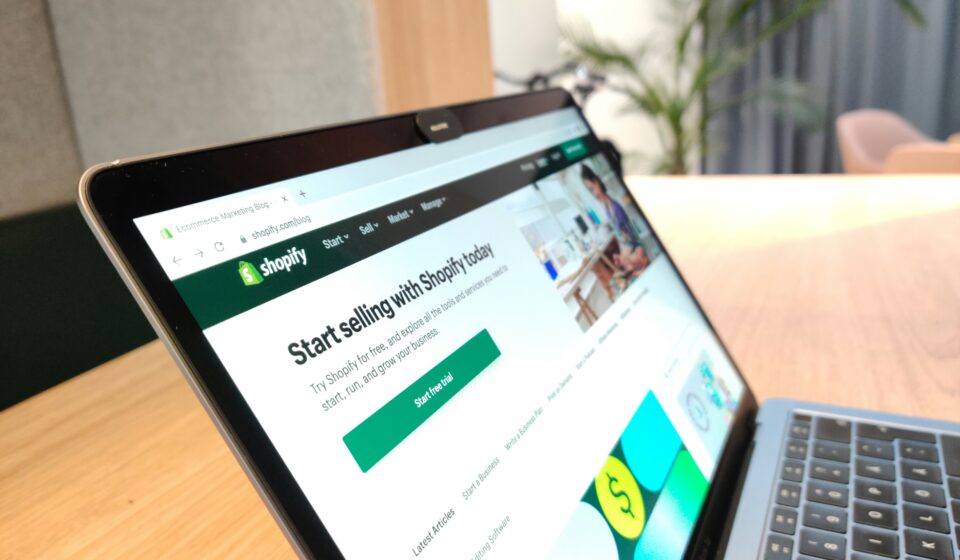

Shopify has earned its reputation as one of the most capable and accessible ecommerce platforms available today. It gives business owners the tools to build a professional online store without needing advanced technical knowledge, and its ecosystem of apps, themes, and integrations makes it highly adaptable to a wide range of business models. But building a store on Shopify is only the beginning. Keeping that store performing at its best over the long term requires consistent and structured attention to every layer of the platform. This is where professional Shopify website maintenance becomes essential. Without an ongoing maintenance plan, even a well-designed Shopify store will gradually accumulate performance issues, security vulnerabilities, and user experience problems that quietly erode customer trust and revenue. This guide explores what Shopify maintenance involves, why it matters, and how the right approach to ongoing care can meaningfully improve the performance and profitability of your online store.
Many Shopify store owners discover the importance of regular maintenance only after something goes wrong. A checkout error disrupts sales for several hours. A theme update breaks the layout on mobile devices. An app conflict causes product images to stop loading. These situations are entirely preventable with a proactive maintenance strategy, and the cost of preventing them is always far lower than the cost of recovering from them.
What Shopify Website Maintenance Actually Involves
Shopify maintenance is not a single task or a periodic cleanup. It is an ongoing discipline that covers multiple aspects of the store’s technical health, content accuracy, performance optimization, and security posture. Understanding what it encompasses helps store owners make more informed decisions about what level of care their store actually needs.
Theme and App Updates
Shopify’s ecosystem is built on a foundation of regularly updated themes and applications. Theme developers release updates to improve performance, fix bugs, and maintain compatibility with Shopify’s core platform as it evolves. App developers similarly push updates to introduce new features, patch security vulnerabilities, and ensure their tools continue to function correctly within the broader Shopify environment.
Failing to apply these updates in a timely way creates a growing technical debt. Outdated themes can cause compatibility issues with newer Shopify features. Outdated apps can create conflicts that affect other parts of the store or introduce security weaknesses that malicious actors can exploit. A structured Shopify maintenance process includes regular review and application of these updates in a controlled environment before they are pushed to the live store.
Performance Monitoring and Speed Optimization
Page load speed is one of the most critical factors in ecommerce conversion rates. Research consistently shows that even a one-second delay in page load time can lead to a measurable reduction in conversions. For Shopify stores that invest heavily in driving traffic through paid advertising or SEO, a slow-loading store effectively wastes a significant portion of that investment by losing visitors before they even see the product they came to view.
Performance monitoring involves regularly testing page load speeds across different devices and network conditions, identifying the elements that are causing slowdowns, and implementing optimizations to address them. Common performance issues in Shopify stores include unoptimized product images, excessive or poorly coded apps adding unnecessary scripts to the storefront, large CSS and JavaScript files that have not been properly compressed, and poorly structured theme code that creates rendering delays.
Ongoing monitoring ensures that performance does not degrade gradually over time as new apps are added and the product catalog grows. This kind of proactive attention to site speed is a core component of what good Shopify website support looks like in practice.
Security Auditing and Vulnerability Management
While Shopify handles significant portions of platform-level security as a hosted solution, individual stores still carry responsibility for their own security posture in several important areas. These include the security configurations of installed apps, the integrity of third-party integrations, access control for staff accounts, and the handling of customer data in accordance with privacy regulations.
Regular security audits identify potential weak points before they can be exploited. This includes reviewing which apps have access to sensitive store data, ensuring that staff account permissions follow the principle of least privilege, checking that all third-party integrations are using secure and current authentication protocols, and verifying that the store is compliant with relevant data protection regulations.
Security is one of the areas where preventive maintenance delivers the clearest return. A single data breach or payment security incident can cause lasting reputational damage that is far more costly to recover from than any investment in proactive security management. For businesses that want to understand the broader relationship between website maintenance and security, this detailed guide on website security and maintenance solutions provides an excellent foundation.
Content Updates and Catalog Management
An ecommerce store is a living entity that requires constant content attention. Product descriptions need to be accurate and current. Pricing needs to reflect any changes in cost structure or promotional strategy. Seasonal content needs to be updated at the right times. Out-of-stock products need to be managed in a way that maintains SEO value while avoiding customer frustration.
Beyond product content, the broader informational content of the store also needs periodic review. Policy pages need to remain accurate and legally compliant. Blog content needs to stay relevant and internally linked to current product offerings. Navigation menus need to be updated as the product range evolves. All of this falls within the scope of a comprehensive Shopify maintenance services plan.
Backup Management and Disaster Recovery
Shopify does not provide native full-store backup functionality in the way that many store owners assume it does. While Shopify maintains its own infrastructure backups, these are not designed to support individual store rollbacks in response to user errors or accidental data deletions. This means that stores without their own backup solution are genuinely vulnerable to data loss events that can be difficult or impossible to fully reverse.
A proper maintenance plan includes regular backups of product data, customer records, theme files, and store configurations using dedicated backup tools. It also includes a clearly defined recovery process so that in the event of a problem, the store can be restored quickly and with minimal disruption to operations.
Why Ongoing Shopify Maintenance Services Are Worth the Investment
Some store owners view website maintenance as an optional expense that can be deferred until problems arise. This perspective consistently leads to higher costs and worse outcomes than a proactive maintenance approach. Here is why the investment in ongoing Shopify maintenance services pays for itself in measurable ways.
Prevention Is Always Cheaper Than Recovery
When a technical issue causes the Shopify store checkout to malfunction, every minute of downtime represents lost revenue. Diagnosing and fixing the problem under pressure is also significantly more expensive than the routine maintenance that would have prevented it. Emergency technical support typically costs several times more than scheduled maintenance work, and that does not account for the revenue lost during the outage or the customer trust that is damaged by the poor experience.
The same principle applies to security incidents, performance degradation, and content errors. Catching and addressing these issues proactively through regular maintenance is almost always faster, cheaper, and less disruptive than dealing with the consequences after the fact.
Consistent Performance Supports SEO and Paid Traffic ROI
A Shopify store’s performance directly affects its visibility in organic search results. Search engines factor page speed, mobile usability, structured data accuracy, and overall technical health into their ranking decisions. A store that receives regular maintenance stays healthier from a technical SEO perspective, which supports stronger and more consistent organic rankings over time.
For stores investing in paid advertising to drive traffic, performance maintenance protects the return on that investment. A well-maintained store converts a higher percentage of the visitors it attracts, which directly improves the efficiency of advertising spend. Understanding how SEO fits into the broader ecommerce performance picture is something Napollo has explored extensively in this guide onoptimizing ecommerce sites for search engines.
Customer Experience Drives Repeat Business
Ecommerce success is built on repeat customers and positive word of mouth. Both depend on delivering a consistently smooth and reliable shopping experience. A store that loads quickly, displays products accurately, processes checkouts without errors, and functions perfectly on mobile devices gives customers every reason to return and recommend it to others.
A store that regularly experiences technical glitches, slow loading times, or inaccurate product information erodes customer confidence with every negative experience. The relationship between technical maintenance and customer experience is direct and measurable, and it is one of the strongest business cases for investing in professional Shopify maintenance services.
Choosing the Right Shopify Maintenance Company
The market for Shopify support and maintenance services includes a wide range of providers, from large agencies with dedicated Shopify teams to independent freelancers offering more limited services. Choosing the right partner requires careful evaluation of several important factors.
Platform Expertise and Shopify-Specific Knowledge
Shopify has its own templating language, its own app architecture, and its own set of platform-specific constraints and best practices. A maintenance provider that has deep, hands-on experience with Shopify specifically will be significantly more effective than a general web development agency applying generic maintenance principles to a platform they do not know in depth.
When evaluating a potential Shopify maintenance company, ask about their experience with the specific aspects of Shopify that are most relevant to your store. This might include experience with Shopify’s Liquid templating language, familiarity with the most widely used Shopify app categories, knowledge of Shopify’s SEO limitations and how to work within them, and experience managing stores at the scale your business operates.
Scope of Services and Maintenance Plan Structure
Different stores have different maintenance needs depending on their size, traffic volume, catalog complexity, and rate of change. A small store with a stable product catalog has different requirements from a high-volume store that runs frequent promotions, adds new products regularly, and uses a large number of integrated apps.
Look for a maintenance provider that offers a structured plan clearly defining what is included, at what frequency, and how performance is reported. Vague or loosely defined maintenance arrangements tend to result in important tasks being deferred or overlooked. A well-structured maintenance plan gives you confidence that the right work is being done consistently and that nothing critical is falling through the gaps.
For businesses that want to understand what a comprehensive maintenance plan structure should look like across different tiers and business needs, this resource onwebsite maintenance plans and what they should include provides a clear and practical framework.
Responsiveness and Support Availability
Ecommerce stores operate around the clock, and technical problems do not limit themselves to business hours. When something goes wrong with your Shopify store, you need a maintenance partner that can respond quickly and effectively regardless of when the issue occurs.
Ask potential providers about their support response times, their coverage hours, and their process for handling urgent issues that require immediate attention. A maintenance partner that is difficult to reach when you need them most is not providing the level of Shopify website support that a serious ecommerce operation requires.
Transparent Reporting and Communication
A professional maintenance provider should give you clear and regular visibility into the work being performed and the health of your store. This means monthly or regular reporting that covers what maintenance tasks were completed, any issues that were identified and addressed, current performance metrics, and recommendations for any additional work that would benefit the store.
This kind of transparency builds trust and ensures that you always have an accurate picture of your store’s technical health without needing to ask for it. It also creates a record of maintenance activity that is useful for identifying trends and making informed decisions about future investments in your store’s infrastructure.
How Shopify Maintenance Connects With Store Growth
Maintenance is sometimes framed as a purely defensive activity, focused on preventing problems rather than driving growth. In reality, the two are deeply connected. A well-maintained Shopify store is better positioned to take advantage of growth opportunities because its technical foundation is solid and reliable.
Supporting Ecommerce Redesigns and Platform Changes
When a store is ready to evolve through a redesign or by migrating to a new theme, having an established maintenance process in place makes that transition significantly smoother. The maintenance history provides a clear record of the current technical state of the store, and the relationship with a maintenance partner means there is an experienced team ready to manage the technical aspects of the change carefully.
Poorly managed redesigns and theme changes are among the most common causes of sudden performance drops and SEO ranking losses in ecommerce. Understanding how to approach these transitions properly is something covered in useful detail in this article onhow ecommerce website redesign services improve your site.
Scaling Operations Without Accumulating Technical Debt
As a Shopify store grows, the complexity of its technical environment typically grows with it. More apps are added, more integrations are built, more customizations are made to the theme, and the product catalog expands. Without disciplined ongoing maintenance, this growing complexity accumulates as technical debt that eventually begins to affect performance and reliability.
Regular maintenance keeps technical debt under control by addressing issues as they arise rather than allowing them to compound. This means that as the store scales, its technical foundation remains solid rather than increasingly fragile. For businesses that are planning significant growth or that are considering expanding into new markets, this directly affects how smoothly and confidently that expansion can be executed.
Integrating SEO Best Practices Into Ongoing Store Management
Shopify stores that treat SEO as an ongoing discipline rather than a one-time setup activity consistently outperform those that do not. Regular maintenance creates natural opportunities to review and improve SEO elements including page titles, meta descriptions, product descriptions, image alt text, internal linking structures, and page speed metrics.
Working with a maintenance partner that understands SEO means these opportunities are not missed. For store owners who want to explore the role of specialized SEO expertise in Shopify brand building, this article onthe role of a Shopify SEO expert in brand building offers a detailed perspective on how SEO and platform management work together.
What to Expect From a Professional Shopify Maintenance Relationship
Setting realistic expectations from the start of a maintenance engagement helps ensure that both sides of the relationship are aligned and that the work delivered matches the needs of the business.
In the early stages of a new maintenance engagement, a good provider will begin with a thorough audit of the store’s current technical state. This audit identifies existing issues that need to be addressed before the ongoing maintenance cadence begins. It creates a baseline understanding of the store that informs all subsequent maintenance decisions and provides a reference point for measuring improvement over time.
Once the initial audit is complete and any priority issues are addressed, the ongoing maintenance rhythm begins. This typically involves a regular schedule of updates, performance reviews, security checks, and content audits, supported by a reporting structure that keeps you informed of everything being done and the results it is producing.
Over time, a mature maintenance relationship becomes one of the most valuable operational assets your ecommerce business has. The provider develops a deep understanding of your store, your business model, and your technical environment, which makes them increasingly effective at identifying issues early and recommending improvements that align with your growth objectives.
Conclusion
A Shopify store that receives consistent and professional maintenance performs better, converts more reliably, ranks more strongly in search results, and delivers a customer experience that builds loyalty over time. The investment in ongoing Shopify website maintenance is not an overhead cost. It is a foundational part of operating a serious and competitive ecommerce business.
Whether your store is in its early growth stages or already handling significant volumes of traffic and transactions, the principles of proactive maintenance apply equally. Finding the right Shopify maintenance company and establishing a structured ongoing care plan is one of the highest-value decisions a store owner can make. The results show up in performance metrics, in customer satisfaction, and ultimately in the revenue your store consistently generates.
FAQs
Q: What does Shopify website maintenance include on a monthly basis? A: Monthly Shopify maintenance typically includes theme and app updates, performance monitoring and speed optimization, security checks, content updates, backup management, and a regular performance report. The exact scope depends on your store size and the maintenance plan you select with your provider.
Q: How often should a Shopify store be audited for technical issues? A: A thorough technical audit should be conducted at least quarterly for active stores. Monthly performance checks should also be part of any ongoing Shopify maintenance services plan. Stores with frequent updates, large catalogs, or high traffic volumes benefit from more frequent review cycles.
Q: Can Shopify maintenance services help improve my store’s search rankings? A: Yes. Regular maintenance addresses technical SEO factors including page speed, mobile usability, structured data accuracy, and internal linking. These improvements directly support better search engine rankings and help ensure that your store maintains its organic visibility as search algorithms evolve over time.
Q: What happens if I do not invest in ongoing Shopify website support? A: Without ongoing support, stores gradually accumulate performance issues, outdated app and theme versions, security vulnerabilities, and content inaccuracies. These problems typically compound over time and eventually result in noticeable drops in performance, user experience, and revenue that are more costly to fix than preventive maintenance would have been.Q: How do I choose between different Shopify maintenance companies? A: Evaluate providers based on their Shopify-specific experience, the clarity and scope of their maintenance plans, their reporting and communication practices, and their responsiveness to urgent support requests. Look for proven results with similar stores and a structured approach rather than vague commitments about what their service includes.