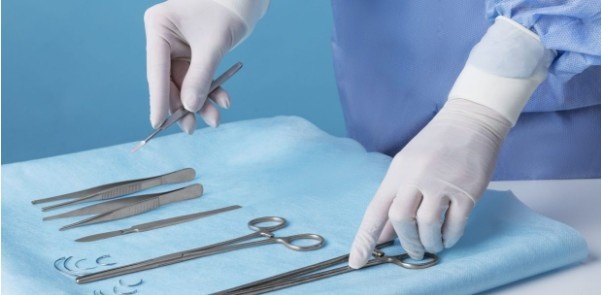

Every surgical procedure in veterinary medicine involves a moment where the clinician must decide how to close the wound. That decision carries more weight than it might initially appear. The suture material selected determines how well the tissue is supported during healing, how the patient responds to the foreign material, and whether complications such as dehiscence or infection are more or less likely to occur. Choosing the right vet sutures for each procedure requires a working understanding of suture material properties, tissue biology, and the specific demands of the surgical site. This guide walks through the key considerations that should inform suture selection across a range of common veterinary surgical scenarios.
Whether you are a new graduate building your surgical foundation or an experienced clinician looking to refine your approach, understanding the principles behind suture selection will improve consistency in your outcomes and strengthen the quality of care you provide to your patients.
Why Suture Selection Matters in Veterinary Surgery
The consequences of choosing an inappropriate suture for a given procedure are not always immediately obvious, but they become apparent as healing progresses. A suture that loses tensile strength too early leaves the wound without adequate mechanical support during the proliferative phase of healing, increasing the risk of wound breakdown. A suture that provokes excessive tissue reaction slows healing and may cause suture track complications that require additional intervention. A suture that is too stiff or too coarse for delicate tissue causes unnecessary trauma during placement, damaging the very structures it is meant to support.
By contrast, selecting the right suture for each application produces wounds that heal efficiently, with minimal complication and minimal distress to the patient. The suture does its job quietly in the background, supporting tissue apposition while the body rebuilds, and then either degrades predictably or is removed at the appropriate time.
Surgical sutures veterinary professionals rely on span a wide range of materials, configurations, sizes, and needle types. Navigating this range requires a clear framework for decision-making. The sections that follow provide that framework by examining the most important variables in suture selection one at a time.
Understanding the Absorbable Versus Non-Absorbable Distinction
The first and most fundamental decision in suture selection is whether the material should be absorbable or non-absorbable. This choice is largely determined by the tissue layer being closed and whether the suture will remain accessible for removal once healing is complete.
Absorbable sutures are designed to degrade within the body over a defined period, losing tensile strength as healing progresses and eventually being completely resorbed by the surrounding tissue. They are the standard choice for internal tissue layers including subcutaneous tissue, fascia, muscle, gastrointestinal wall, bladder, uterus, and any other location where permanent foreign material would be problematic or where suture removal would require reopening the surgical site.
Non-absorbable sutures retain their tensile strength indefinitely and remain in the tissue unless physically removed. They are commonly used for skin closure, where the sutures are visible and accessible at the end of the healing period. They are also used in specific internal applications where permanent tissue support is required, such as cardiovascular procedures, tendon repair, and certain orthopaedic techniques.
For most soft tissue surgical procedures in small animals, the deep tissue layers are closed with absorbable sutures and the skin is closed with either absorbable or non-absorbable materials depending on the clinician’s preference and the specific circumstances of the case. A thorough comparison of the clinical implications of each type is covered in the article onthe advantages of absorbable and non-absorbable sutures, which provides useful context for understanding how each category performs across different tissue environments.
Natural Versus Synthetic Absorbable Materials
Within the absorbable category, a further distinction exists between naturally derived materials and synthetic polymer-based materials. This distinction has significant practical implications for how predictably the suture behaves after placement.
Surgical gut, the primary natural absorbable suture material, is derived from purified collagen and degrades through enzymatic digestion. Because this process is driven by the biological activity of the surrounding tissue, it is susceptible to considerable variation. Infection, inflammation, species differences, and nutritional status can all accelerate or delay absorption, making the duration of tensile strength support less predictable than surgeons would prefer.
Synthetic absorbable sutures degrade through hydrolysis, a chemical process that is far less dependent on the local tissue environment. This means their absorption timelines are considerably more consistent across different patients and different tissue conditions. Absorbable sutures manufacturers have developed a range of synthetic polymer formulations, each with its own specific profile of tensile strength retention, absorption timeline, and tissue reactivity.
Common synthetic absorbable materials include polyglycolic acid, polyglactin 910, polydioxanone, and poliglecaprone 25. Each offers different performance characteristics suited to different applications. Polyglycolic acid and polyglactin 910 are braided multifilament sutures with excellent knot security and moderate absorption timelines of approximately 60 to 90 days. Polydioxanone is a monofilament with extended tensile strength retention of up to six weeks and full absorption by six months. Poliglecaprone 25 is a monofilament with rapid absorption particularly suited to subcutaneous tissue in small animals.
The article oncommon polyglycolic acid suture uses across different veterinary specialties illustrates how one specific synthetic material is applied across multiple procedure types, providing a useful reference for understanding how material properties translate into clinical decisions.
Matching Tensile Strength to Tissue Healing Rate
One of the most technically important aspects of suture selection is matching the tensile strength profile of the chosen material to the expected healing rate of the target tissue. This principle applies both to the initial strength of the suture at the time of placement and to the rate at which that strength is lost as the material degrades.
Different tissues heal at significantly different rates. Subcutaneous fat heals relatively quickly and requires only a few weeks of suture support. The gastrointestinal tract heals more slowly and requires support through the first two to three weeks post-operatively, during which time the anastomosis is most vulnerable to leakage. Fascia and other dense connective tissues heal slowly and may require mechanical support for four to six weeks or longer.
Selecting a suture that loses its tensile strength before the tissue has acquired adequate intrinsic strength leaves a window of vulnerability during which wound breakdown is more likely. Conversely, selecting a suture that retains its strength for far longer than necessary in a rapidly healing tissue is not harmful but represents an unnecessary use of a higher-specification material when a simpler option would suffice.
For clinicians who want to understand how the absorption timeline of different materials relates to post-operative wound management, the guide onhow long absorbable sutures last in veterinary procedures provides detailed information on the expected performance of the most commonly used materials.
Monofilament Versus Braided Sutures
The physical configuration of a suture, whether it is a single strand or constructed from multiple filaments twisted or braided together, affects its handling properties, tissue interaction, and resistance to infection. This distinction applies across both absorbable and non-absorbable categories and is an important variable in suture selection for specific tissue types and clinical conditions.
Monofilament sutures consist of a single continuous strand with a smooth surface. This smooth surface allows the suture to pass through tissue with minimal drag, reducing the mechanical trauma associated with suture placement. The smooth surface also offers less opportunity for bacteria to adhere and proliferate, making monofilament materials the preferred choice in contaminated or infection-prone environments. The disadvantage of monofilament sutures is their handling behaviour. They tend to be stiffer than braided alternatives, which makes them slightly more challenging to work with, particularly for surgeons with less experience. They also require more throws per knot to achieve adequate security.
Braided multifilament sutures are constructed from multiple fine filaments interwoven to form a composite strand. The resulting suture is softer and more pliable than a monofilament of equivalent gauge, with better handling characteristics and excellent knot security. The interstices between the filaments, however, can harbour bacteria, which makes braided sutures less suitable for use in contaminated wounds or tissues with high infection risk.
Understanding when each configuration is most appropriate is an important element of informed suture selection. A comprehensive discussion of how these two configurations differ in clinical practice is available in the guide onmonofilament suture versus multifilament for clinical use.
Selecting the Correct Suture Size
Suture size refers to the diameter of the suture strand and is expressed using the United States Pharmacopeia sizing system. In this system, size 2 represents the thickest sutures and the scale moves toward zero and then continues as 2-0, 3-0, 4-0, and so on, with higher numbers after the zero indicating progressively finer sutures. Size 10-0 is used in microsurgery while size 2 might be appropriate for orthopaedic applications in large animals.
The general principle in suture selection is to use the finest suture that will provide adequate tensile strength for the tissue being closed. Using a suture that is larger than necessary introduces more foreign material into the tissue than required and increases the inflammatory response proportionally. It can also cause mechanical damage during placement if the needle and suture are too large for the delicate tissue through which they must pass.
For most soft tissue surgery in cats and small dogs, skin closure typically uses sizes 3-0 or 4-0. Subcutaneous closure commonly uses sizes 3-0 to 2-0 depending on the depth of the layer and the degree of tension. Bladder and gastrointestinal closures in cats often require sizes 4-0 to 3-0 while larger dogs may require sizes 3-0 to 2-0 for the same tissues. Microsurgical procedures may require 8-0 or finer.
Developing familiarity with the size ranges appropriate for common procedures in the species and sizes of animals you treat regularly is one of the most practical steps toward more consistent suture selection.
Tissue-Specific Considerations in Suture Selection
Different tissue types present different challenges for wound closure and benefit from specific suture properties. Considering the characteristics of the target tissue as part of suture selection leads to better-matched material choices and more reliable outcomes.
Gastrointestinal tissue heals through a predictable sequence but is particularly vulnerable to leakage in the early post-operative period. Sutures used for intestinal anastomoses must maintain adequate strength through the first two to three weeks while producing minimal tissue reaction within a lumen that is not sterile. Monofilament absorbable materials such as polydioxanone are often preferred for this application because their smooth surface minimises bacterial adherence and their extended tensile strength retention covers the full critical healing window.
Bladder tissue is similarly demanding because permanent suture material within the urinary tract can act as a nidus for mineralisation and stone formation. Absorbable sutures are therefore essential in all urological closures. The choice between braided and monofilament materials for bladder closure often depends on surgeon preference and the specific location within the urinary tract being repaired.
Subcutaneous tissue closes most reliably with a braided synthetic absorbable material that handles well and ties securely. The infection risk in a clean surgical wound is low enough that the interstices of a braided suture do not represent a meaningful clinical concern in this location.
Skin closure options depend on whether suture removal is planned. For patients where removal is straightforward and owners are reliable in returning for follow-up, non-absorbable monofilament sutures in a simple interrupted pattern remain a dependable standard. For patients where removal would require sedation or where the client may have difficulty returning, absorbable sutures placed in a subcuticular pattern offer a practical and cosmetically acceptable alternative.
Understanding the full range ofwound closure techniques and how different suture materials interact with each technique helps clinicians plan their closure strategy comprehensively from the deep layers to the skin surface.
The Role of Needle Selection
The needle attached to a surgical suture is as important as the suture material itself. An appropriate needle allows precise placement with minimal tissue trauma. The wrong needle for a given tissue type or location can make suture placement technically difficult and cause unnecessary damage during the procedure.
Cutting needles have a triangular cross-section with a sharp edge along the inner curve of the needle. They are designed to penetrate tough tissue such as skin and are the most common needle type for external wound closure in veterinary patients. Reverse cutting needles place the sharp edge along the outer curve, which reduces the risk of the needle cutting through tissue as it exits.
Taper point needles have a round cross-section that tapers to a sharp point without any cutting edges. They separate tissue fibres rather than cutting through them, making them suitable for delicate internal tissues such as intestinal wall, bladder, and subcutaneous tissue where a cutting edge would cause unnecessary damage.
Tapercut needles combine a cutting tip with a round taper body and are used for tough internal tissues such as fascia and tendon that require the penetrating power of a cutting point but benefit from the reduced tissue trauma of a taper body.
Needle size should also be matched to the tissue. The needle should be large enough to carry the suture through the tissue cleanly but not so large that it creates a hole significantly bigger than the suture diameter, which would allow fluid leakage around the suture and weaken the closure.
Evaluating Medical Suture Suppliers
Selecting the right suture material is only part of the equation. The source of that material matters enormously. Sutures purchased from reputable medical suture suppliers come with documented quality assurance that verifies the product meets the specifications printed on the label. Sutures sourced from unverified or low-cost distributors may not perform as described, which introduces a source of variability into the surgical environment that compromises patient safety.
Reputable absorbable sutures manufacturers operate under internationally recognised quality management standards such as ISO 13485 and manufacture products that comply with the physical property requirements defined by standards bodies such as the United States Pharmacopeia. They subject their products to rigorous incoming material testing, in-process quality control, and finished product release testing before any suture reaches the market.
When evaluating potential suppliers, veterinary practices should ask for documentation of regulatory compliance, request product specification sheets, and consider whether the supplier’s customer service and after-sale support meet the standards expected in a professional clinical relationship.
For practices looking to optimise procurement costs without compromising on quality, theguide to buying wholesale medical supplies provides practical advice on how to source veterinary surgical supplies responsibly and cost-effectively.
Maintaining Suture Quality After Purchase
Even sutures from the best manufacturers can be compromised by poor storage conditions after purchase. Maintaining suture quality in the clinic requires attention to storage environment, stock rotation, and package integrity checking before use.
Sutures should be stored in a cool dry environment away from direct sunlight and sources of heat. Elevated temperature and humidity can degrade the polymer chains in synthetic absorbable materials and may compromise the sterility barrier of the packaging. Sterile packaging should be inspected before use for any signs of damage including tears, punctures, or compromised seals. Any suture with a damaged package should be discarded regardless of its appearance or remaining shelf life.
Stock rotation practices should ensure that older stock is used before newer stock, preventing sutures from exceeding their expiry date before use. Regular inventory checks that identify sutures approaching their expiry date allow the practice to plan usage accordingly and minimise waste.
Guidance on maintaining medical supplies and equipment in optimal condition throughout their service life is available in the article onhow to maintain medical equipment for long-term reliability, which addresses broader principles of supply management applicable to the veterinary practice setting.
Building a Consistent Suture Selection Framework
The volume of information involved in suture selection can feel overwhelming, particularly for clinicians in the early stages of their careers. Building a consistent framework for selection decisions makes the process more manageable and leads to more reproducible outcomes over time.
A practical starting point is to identify a small number of core suture materials that cover the most common tissue types and procedures in your practice, and to develop deep familiarity with those materials before expanding your repertoire. For most general small animal practices, a braided synthetic absorbable material in a range of sizes covers subcutaneous and internal tissue closure reliably. A monofilament synthetic absorbable material provides an alternative for contamination-prone environments or applications requiring extended strength retention. A monofilament non-absorbable material addresses routine skin closure where removal is planned.
As confidence grows with these core materials, additional options can be incorporated for specific applications such as urological surgery, ophthalmic procedures, or orthopaedic cases where the demands of the tissue require a more specialised approach.
A complete overview of the veterinary sutures available across the absorbable and non-absorbable categories and the clinical contexts in which each is most appropriate is provided in the article onthe different types of veterinary surgical sutures, which serves as a useful ongoing reference for building and refining a suture selection framework.
Conclusion
Choosing the right veterinary sutures for each surgical procedure is a clinical skill that develops through a combination of foundational knowledge, procedural experience, and ongoing engagement with the evidence and resources available in the field. The variables involved including absorbability, material composition, configuration, size, needle type, and supplier quality all interact to determine how well a given suture serves its patient in a specific clinical context.
By approaching suture selection systematically and grounding decisions in a clear understanding of tissue biology and material properties, veterinary professionals can improve the consistency of their surgical outcomes and reduce the frequency of suture-related complications. Every well-chosen suture is a quiet contribution to a smoother recovery for the animal in your care.
AtStrouden, we supply veterinary practices with a comprehensive range of high-quality surgical sutures and wound closure materials sourced from verified manufacturers. Explore ourfull range of veterinary surgical supplies orcontact us to discuss the right options for your practice and patient population.
FAQs
Q: What is the most important factor when choosing vet sutures for internal tissue closure?
A: The most important factor is matching the suture’s tensile strength retention profile to the expected healing rate of the target tissue. The suture must maintain adequate strength throughout the wound’s most vulnerable healing phase before the tissue gains sufficient intrinsic mechanical integrity on its own.
Q: When should veterinary sutures be monofilament rather than braided for wound closure?
A: Monofilament sutures are preferred in contaminated or infection-prone environments because their smooth surface offers less opportunity for bacterial adherence compared to braided materials. They are also commonly selected for gastrointestinal and urological surgery where minimising surface area contact within body lumens is clinically important.
Q: How do absorbable sutures manufacturers ensure their products meet veterinary surgical standards?
A: Reputable absorbable sutures manufacturers operate under ISO 13485 quality management systems and test their products against United States Pharmacopeia specifications for tensile strength, knot pull strength, and dimensional accuracy. Products must pass all release criteria before they are approved for distribution to medical suture suppliers and clinical users.
Q: Can surgical sutures veterinary practices purchase in bulk maintain their quality during storage?
A: Yes, provided they are stored correctly in a cool dry environment away from heat and direct sunlight. Packaging integrity should be checked before each use and any damaged packages discarded. Stock rotation practices should ensure older inventory is used before newer stock to avoid expiry before use.
Q: How does suture size affect wound healing outcomes in small animal surgery?A: Using the finest suture adequate for the mechanical demands of the tissue minimises the volume of foreign material introduced and reduces the associated inflammatory response. Oversized sutures cause unnecessary tissue trauma during placement and provoke a stronger reaction than the wound requires for reliable closure and healing.